


GET A QUOTE

Picture this: you are comparing wall materials for a bathroom renovation, and the supplier holds up a sheet printed with a deep marble pattern. The surface looks like polished stone, but the price tag does not. Before committing, you need a straight answer to a practical question: are PVC marble sh...
View MoreHaining Longtime Industry Co., Ltd. is proud to announce its participation in The 13th China Homelife Brazil Expo 2026, showcasing its latest innovative products and advanced manufacturing capabilities. Exhibition Details Dates: September 16–18, 2026 Booth Number: 1N241 Venue: São Paulo Expo (Ce...
View MoreImagine you are sitting on your patio with a cup of coffee, and you clearly see the neighbor at the next fence. One decorative garden screen can change that in a single afternoon. It blocks the unwanted sightline without turning your garden into a closed box. The best part is that a screen can impr...
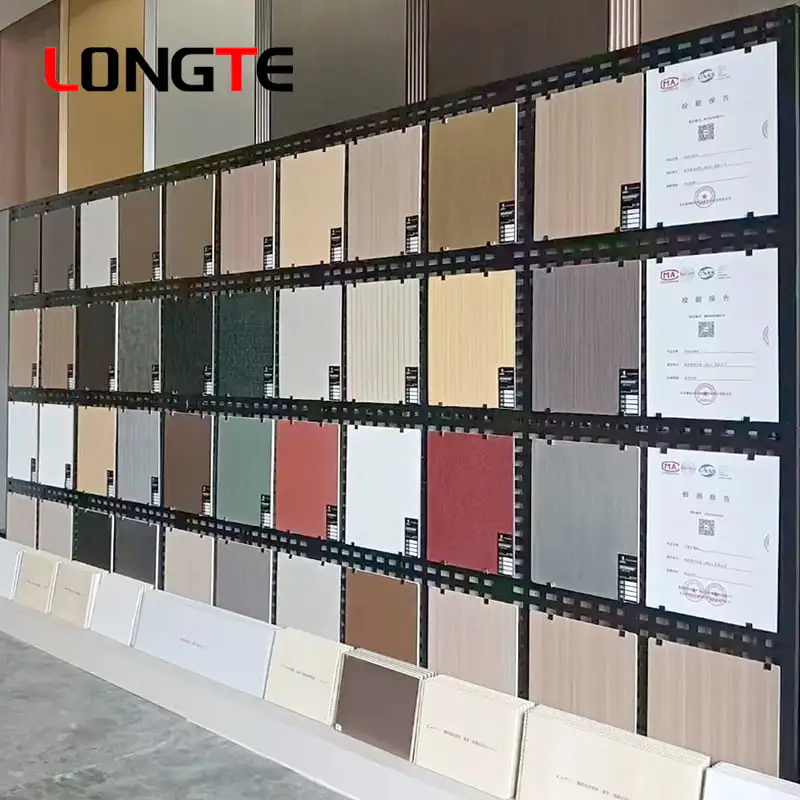
View MoreArchitectural PVC wall panels have gained popularity in modern construction due to their durability, versatility, and cost-effectiveness. These panels are widely used in both residential and commercial spaces, offering benefits such as water resistance, easy installation, and low maintenance.
The production of architectural PVC wall panels begins with carefully selected raw materials. The primary component is polyvinyl chloride (PVC) resin, a synthetic plastic polymer known for its strength and chemical stability. Other essential additives include:
The precise formulation depends on the intended application—whether for interior PVC wall panels, waterproof PVC wall panels, or fire-retardant PVC wall panels.
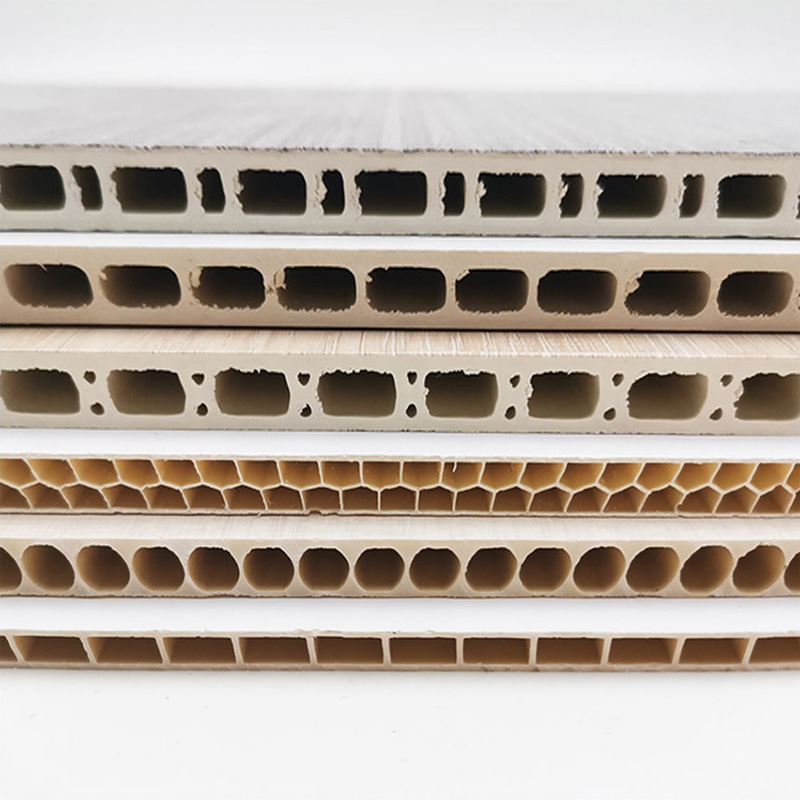
The extrusion process is the most common method for producing PVC wall panel extrusion profiles. It involves:
This method is ideal for producing lightweight PVC wall panels, rigid PVC decorative panels, and PVC laminated wall boards.
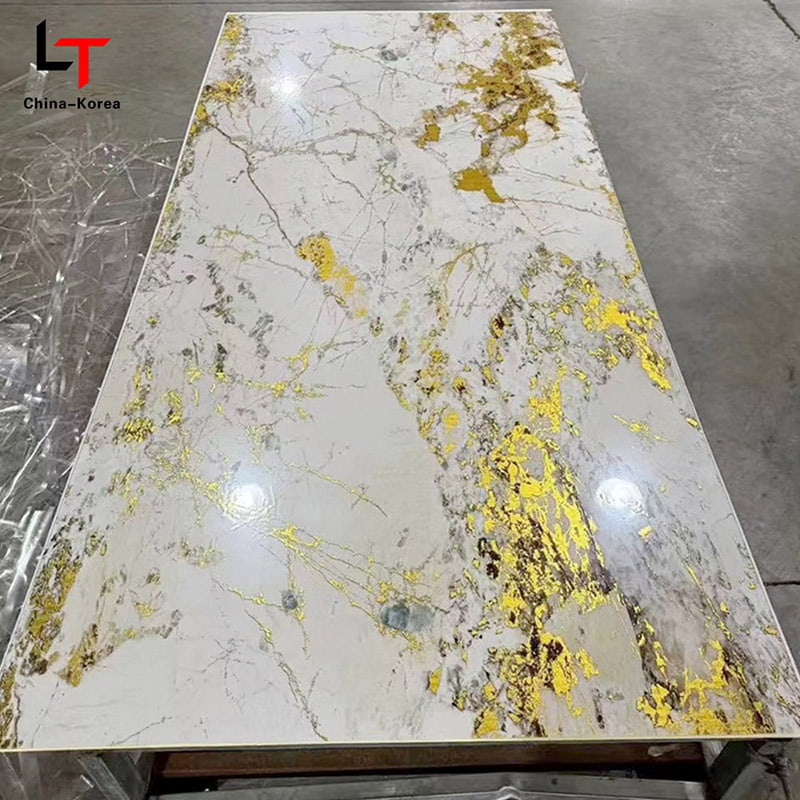
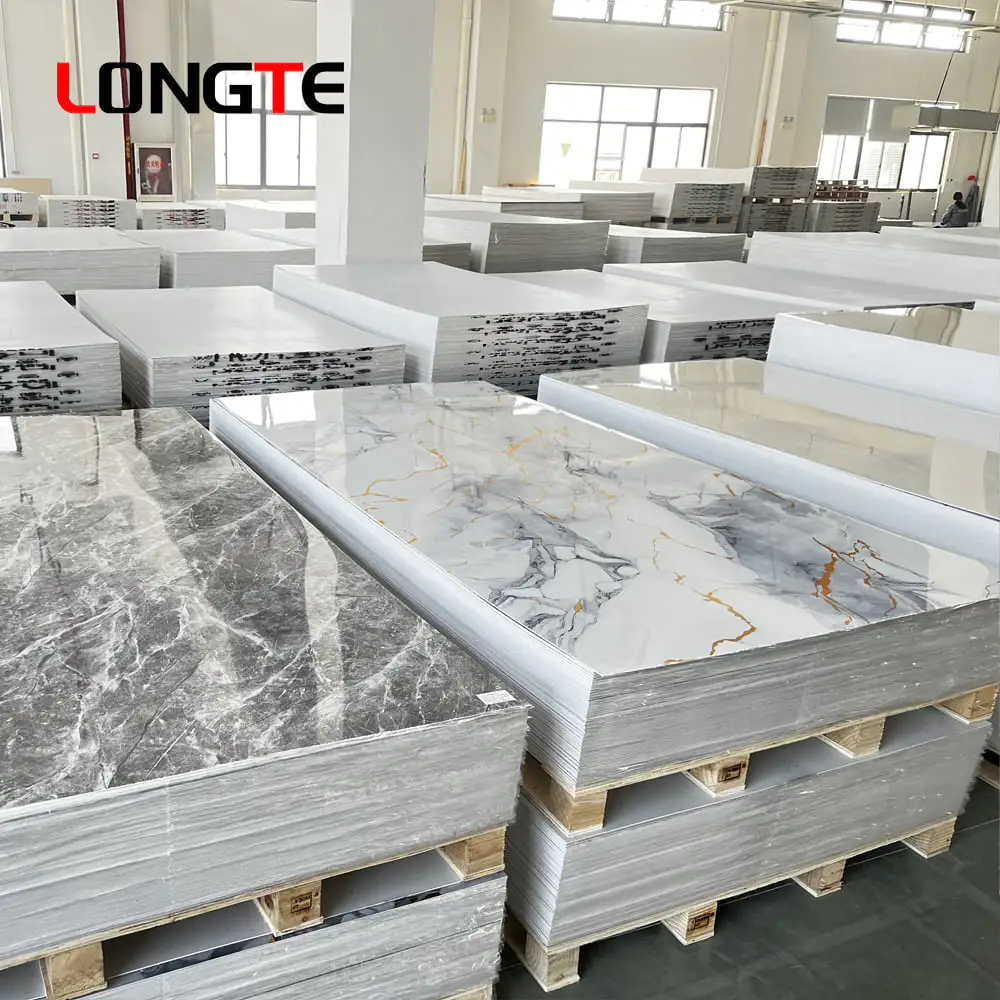
For decorative PVC wall panels with wood, marble, or high-gloss finishes, the lamination process is used:
This technique is commonly used for wood look PVC wall panels, marble finish PVC wall panels, and high gloss PVC wall panels.
Co-extrusion combines multiple layers of PVC in a single production step, enhancing structural integrity and aesthetics. It is used for:
For 3D PVC wall panels, injection molding is employed:
This method is ideal for custom PVC architectural panels with unique designs.
To ensure durability and safety, manufacturers implement strict quality checks:
| Test | Purpose |
|---|---|
| Dimensional stability | Ensures panels do not warp under heat/moisture |
| Impact resistance | Measures durability against physical damage |
| Fire resistance | Confirms compliance with safety standards (e.g., ASTM E84) |
| UV resistance | Checks colorfastness for outdoor use |
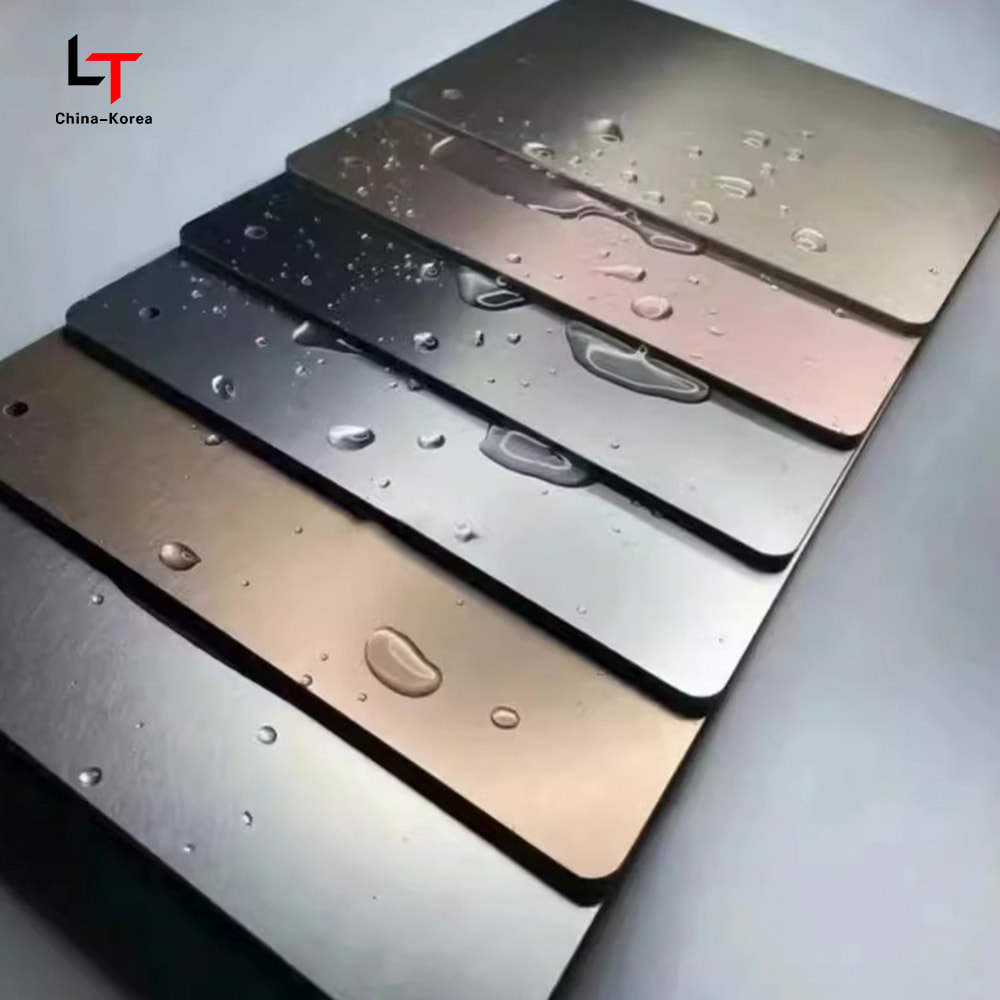
| Water absorption | Validates waterproof properties |
These tests guarantee that architectural PVC wall cladding systems meet industry standards.
Due to their versatility, these panels are used in:
Modern eco-friendly PVC wall panels incorporate:
Some manufacturers also offer PVC wall panel recycling programs to minimize waste.
The manufacturing of architectural PVC wall panels involves advanced processes like extrusion, lamination, co-extrusion, and injection molding, ensuring high-quality, durable, and visually appealing products. With rigorous quality control and sustainable practices, these panels remain a top choice for interior and exterior wall cladding solutions.
By understanding these production methods, buyers can select the right PVC wall panels for their specific needs, whether for residential, commercial, or industrial applications.


Add: NO.10-1 Lianhong Road, Yuanhua Town, Haining City , Zhejiang Province, China
E-mail: [email protected]
Tel: +86-17757302351
WhatsApp: +86-17757302351
 English
 Español