

 English
 Español

Thirty square metres of stone-look wall on a lobby refit looks simple until the pallet weight reaches the quote. Natural thin stone veneer is normally shipped at roughly 50–70 kg per square metre once mortar, lath and scratch coat are counted, so the stud wall needs blocking, the crew doubles, and the freight line has nothing to do with the finish the client approved. Lighter stone-look systems remove most of that cost, but they are not interchangeable, and most specification mistakes start with treating them as though they were.
Three families are worth shortlisting. Cast PU stone panels give a deep, moulded stone face at around 4–7 kg per square metre. Flexible soft stone, often sold as MCM or flexible stone veneer, is a 2–4 mm mineral skin on a fibre backing; it bends around columns and sits near 3–5 kg per square metre. Rigid PVC UV marble and SPC sheets are the flat option, where a 1220×2440×3 mm PVC sheet weighs about 12 kg in total, roughly 4 kg per square metre.
Choose by surface, not by price. If people will touch the wall, PU stone or soft stone earns its cost. If the wall is large, flat and read from three metres away, a printed PVC or SPC sheet delivers the same visual result for a fraction of the weight and labour.
Weight is the easy part. A panel light enough for one installer still needs a flat substrate, a compatible adhesive and a joint that lets the wall move.
Weight, Thickness and Application Envelope
Suppliers quote weight per piece, per square metre or per pallet, so normalise everything to installed kg/m² before comparing. The figures below are typical starting points; density shifts with filler content and thickness, so confirm against a current data sheet before anyone signs off on a structural calculation.
| Alternative | Typical thickness | Installed weight (kg/m²) | Surface character | Main watch-out |
|---|---|---|---|---|
| PU stone panel | 20–40 mm cast | 4–7 | Deep moulded stone relief | Batch tone; adhesive coverage on textured backs |
| Flexible soft stone (MCM) | 2–4 mm | 3–5 | Fine stone grain, slightly translucent | Dark adhesive can telegraph through pale stone |
| PVC UV marble sheet | 3–5 mm | 4–6 | Flat gloss or matt stone print | Thermal movement; needs a 3–5 mm edge gap |
| SPC wall panel | 4–8 mm | 8–12 | Rigid marble or travertine look | Heavier; demands a firm, flat substrate |
| WPC fluted panel | 8–20 mm | 6–10 | Slats and grooves, not stone | Contrast material, not a stone substitute |
| Natural thin stone veneer | 10–20 mm | 50–70 | Genuine stone | Blocking, lath and skilled labour |
The chart below keeps the lightweight group on one scale. Natural thin stone veneer would run four to five times past the right-hand edge, which is exactly why these alternatives exist.
PU Stone Panels: Real Texture Without the Structural Load
PU stone panels are cast polyurethane with mineral filler, moulded from natural stone masters, so the relief is genuine depth rather than a printed image. A 60×30 cm tile in a slate or travertine profile usually lands between 4 and 7 kg per square metre, light enough to fix to primed blockwork or cement board with a polymer-modified adhesive, plus mechanical fixing at the top course where the wall is exposed to wind.
 Waterproof Outdoor PU Faux Stone Wall Cladding PanelsCast polyurethane faux stone cladding with genuine relief, lightweight for exterior walls; verify batch and joint spacing before fixing.View Product →
Two details decide whether the finished elevation looks expensive. Dry-lay five or six pieces first, because cast tiles vary slightly in edge straightness: keep an 8–10 mm joint with grout for a rustic profile, or a tight 3 mm joint for a refined one, and never mix both on one wall. Then hold a single batch number for the whole elevation. Cast stone is pigmented by production run, and a mid-order batch change is the most common reason a corridor ends up showing two tones under raking light.
Flexible Soft Stone: Curves, Columns and Retrofits Over Existing Tile
Soft stone, also sold as MCM or flexible stone veneer, is a thin mineral layer bonded to a fibreglass or fabric backing. At 2–4 mm it bends to a radius of roughly 200–400 mm, which makes it the only family here that can wrap a reception column or an arched doorway without a special order. Sheets and rolls cut with a utility knife, and offcuts from a column usually return to the adjacent wall.
 Bendable Soft Stone Veneer Panels for Curved WallsFlexible mineral veneer bends around columns and arches; suitable for retrofit over sound tile or painted walls with flexible adhesive.View Product →
Retrofit work is where it earns its place. At 3–5 kg/m² it can generally go straight over sound ceramic tile or a well-bonded painted wall, provided the surface is flat within about 2 mm over 2 m, is free of dust and has been primed with a bonding agent. Use a flexible adhesive notched at 3–4 mm and lift one sheet after ten minutes to check coverage. On pale, slightly translucent stones, a dark adhesive telegraphs through the face, so keep the bed even and the adhesive light.
PVC UV and SPC Sheets: Flat Stone Faces for Big, Quiet Walls
Printed PVC and SPC sheets do not pretend to have relief, and that is their advantage. They suit walls where the stone is a backdrop: lift lobbies, hotel corridors, bathroom feature walls, reception counters and cabinet fronts. A 1220×2440 mm PVC sheet in 3 mm is about 12 kg in total, cuts with a knife and a straight edge, and installs with adhesive and a few trims, which matters when the fit-out window is measured in days rather than weeks.
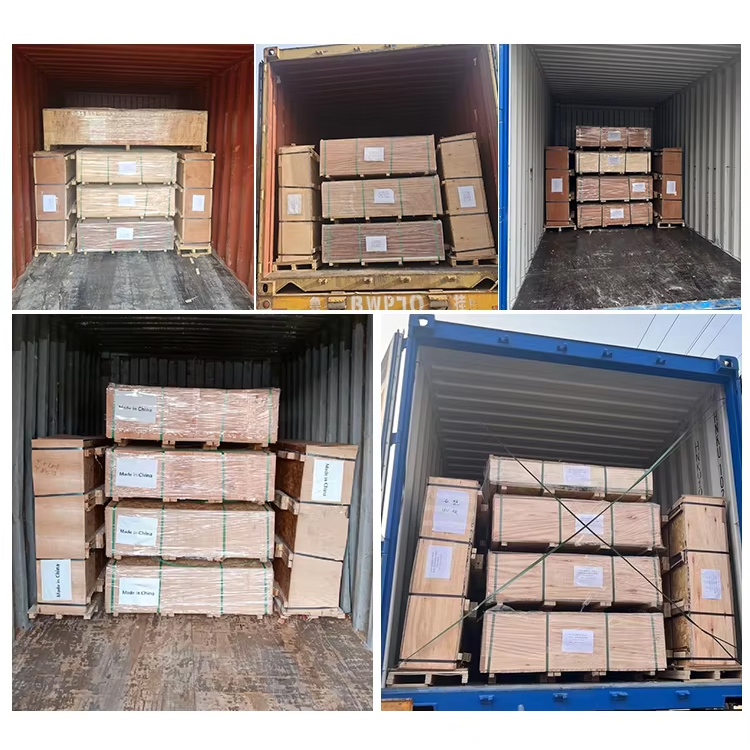 UV Coated PVC Marble Sheet for Walls and CabinetryLightweight PVC wall sheet with UV coating and printed marble finish, suited to backdrop walls, cabinets, and fast fit-outs.View Product →
The trade-off is movement and heat. PVC expands enough that a 2.44 m sheet can grow or shrink 4–6 mm across a 30 °C swing, so every edge needs a 3–5 mm gap filled with a neutral-cure silicone that stays flexible instead of a rigid grout. SPC versions at 4–8 mm are stiffer and heavier, around 8–12 kg/m², which makes them a good choice for lower walls in high-traffic areas and a poor one for ceilings and lightweight partitions.
What Goes Wrong on Site
- Substrate flatness. Wavy stone-look walls almost always trace back to the wall behind the panel. Rigid sheets want 2 mm over 2 m; glossy printed PVC forgives nothing, because reflected light exaggerates every dip.
- Batch colour drift. Same product code, different production run, different tone. Reserve 5–10% extra material from the same batch for repairs, especially where a re-order would take weeks.
- UV exposure. Not every PVC formulation holds colour outdoors. Above a canopy or on a sun-facing facade, ask for UV and weathering data for that exact formulation rather than judging from a colour swatch.
- Adhesive coverage. Hollow spots sound drum-like when tapped and turn into cracks after one season of movement. Specify roughly 80% coverage on flat sheets and a full bed on textured backs.
- Fire paperwork. A B1 or A2 claim only counts if the report covers the thickness, colour and backing you are actually buying, and if the substrate and fixing method match the tested assembly.
- Mixing suppliers mid-project. Trims, corner profiles and thickness tolerances differ between factories, so two “3 mm” sheets from different sources rarely sit flush inside the same shadow gap.
If you are comparing systems for a high-end interior and want the material differences in one place, this breakdown of PVC, UV, SPC, PU and soft stone wall panels sets out how the surfaces behave under the same lighting and cleaning regime.
Matching the Panel to the Room
Hotel bathroom, 12 m² wet wall
A 3 mm PVC UV marble sheet in matt, sealed with neutral silicone at every change of plane, or a 5 mm SPC sheet where service trolleys hit the wall.
Curved reception column
Flexible soft stone in 2–3 mm, wrapped in one piece, with no vertical joint anywhere on the radius.
Ground-floor plinth and entrance
PU stone or exterior-rated soft stone, kept at least 150 mm above grade with a drip edge detailed at the base.
Media wall behind a television
Large-format PU stone with a recessed shadow gap, and WPC fluted slats on the flanking wall when the room needs contrast.
Corridor wall over 40 m
Printed PVC sheets from one batch, with consistent expansion gaps, because a long run will not tolerate joins every 1.2 m.
Retrofit over existing tile
Flexible soft stone or a thin PVC sheet on a levelled, primed surface, never over tiles that sound hollow when tapped.
FAQ
Q1: Are lightweight stone wall panels suitable for exterior use?
Some are, but not all. PU stone panels and exterior-grade soft stone handle rain and temperature swings when they are fixed with the right adhesive and a mechanical fixing at the top. Printed PVC sheets are generally interior products unless the supplier can provide UV and weathering data for that specific formulation. Above ground-floor height, fixing becomes a wind-load question, so plan mechanical fixings rather than adhesive alone.
Q2: Can I install them over existing tiles?
Usually yes, with flexible soft stone and thin PVC sheets, provided the tiles are sound, flat within about 2 mm over 2 m and clean. Prime glossy tile with a bonding agent and use a flexible adhesive. Skip the approach if tiles are loose or hollow, because the new panel will fail with them.
Q3: How do I compare quotes when the thicknesses differ?
Compare installed weight per square metre rather than the nominal thickness on the invoice. A 3 mm PVC sheet and a 5 mm SPC sheet can differ by 6 kg/m², which changes freight, handling and sometimes the substrate. Ask each supplier for density, fire class and thickness tolerance, then price the same wall area.
Q4: Which option looks most like real stone?
Soft stone is thin slices of real stone on a backing, so it reads closest at hand-shaking distance. PU stone panels come next, with deep moulded texture that catches side light. Printed PVC and SPC sheets are convincing from a normal viewing distance but flatten when light rakes across them at a shallow angle.
The short version: match the panel to the surface people will actually touch, then confirm weight, flatness tolerance and fire documentation before committing a container. If you are sourcing at project volume, our wall panel and film production runs across plants in China and Southeast Asia, with colour matching and batch control handled at the source rather than at the site.