


GET A QUOTE

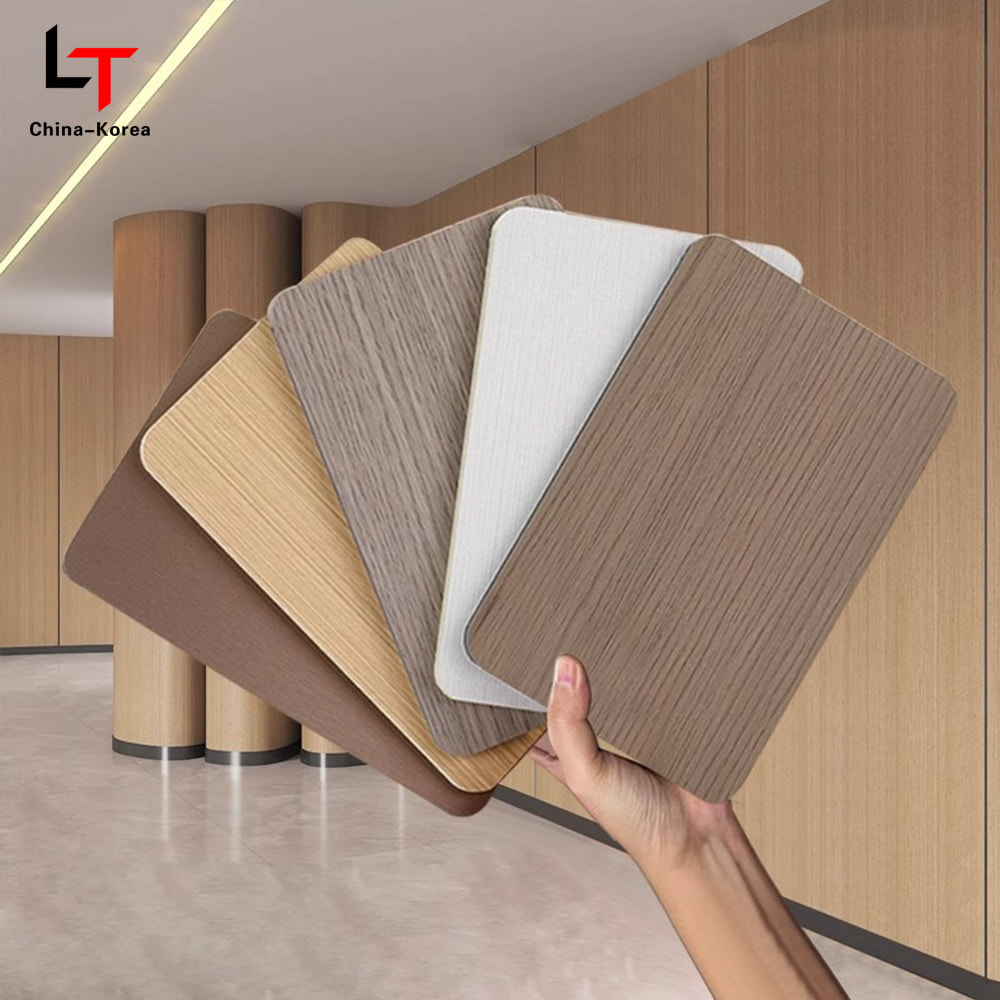
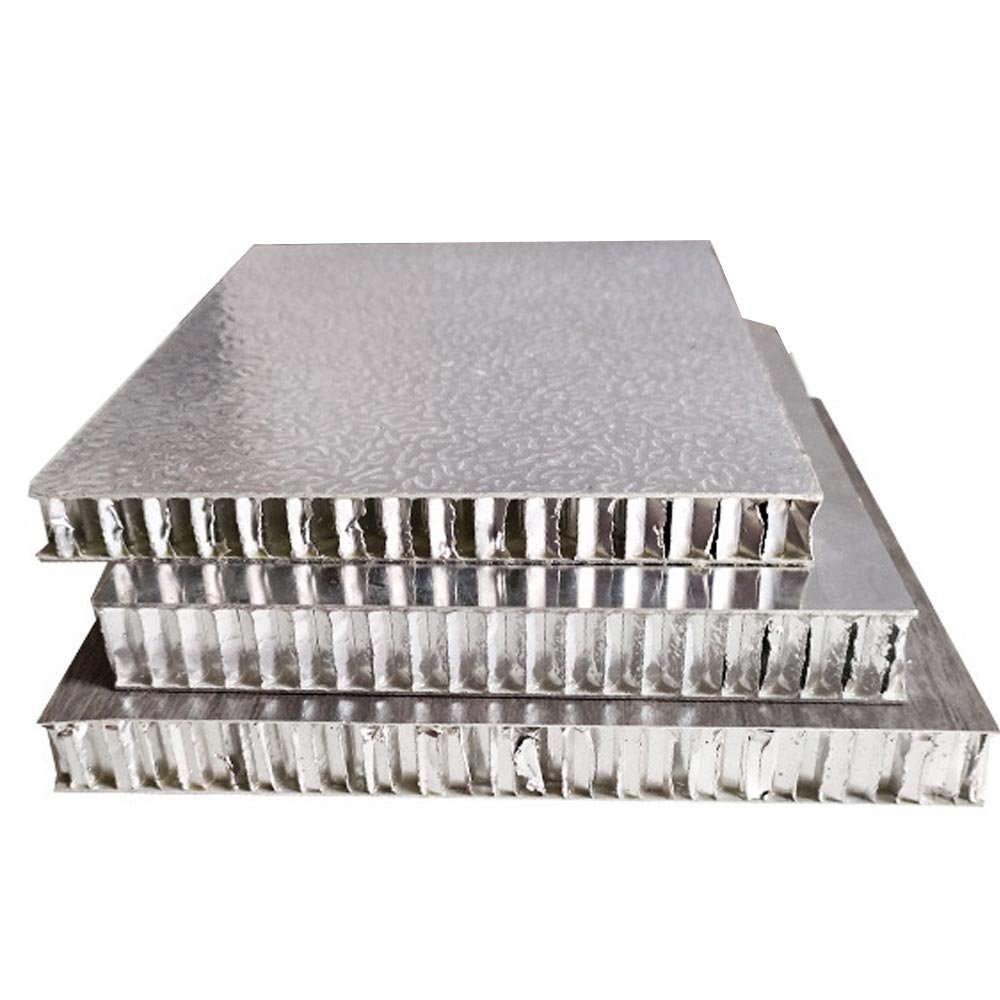
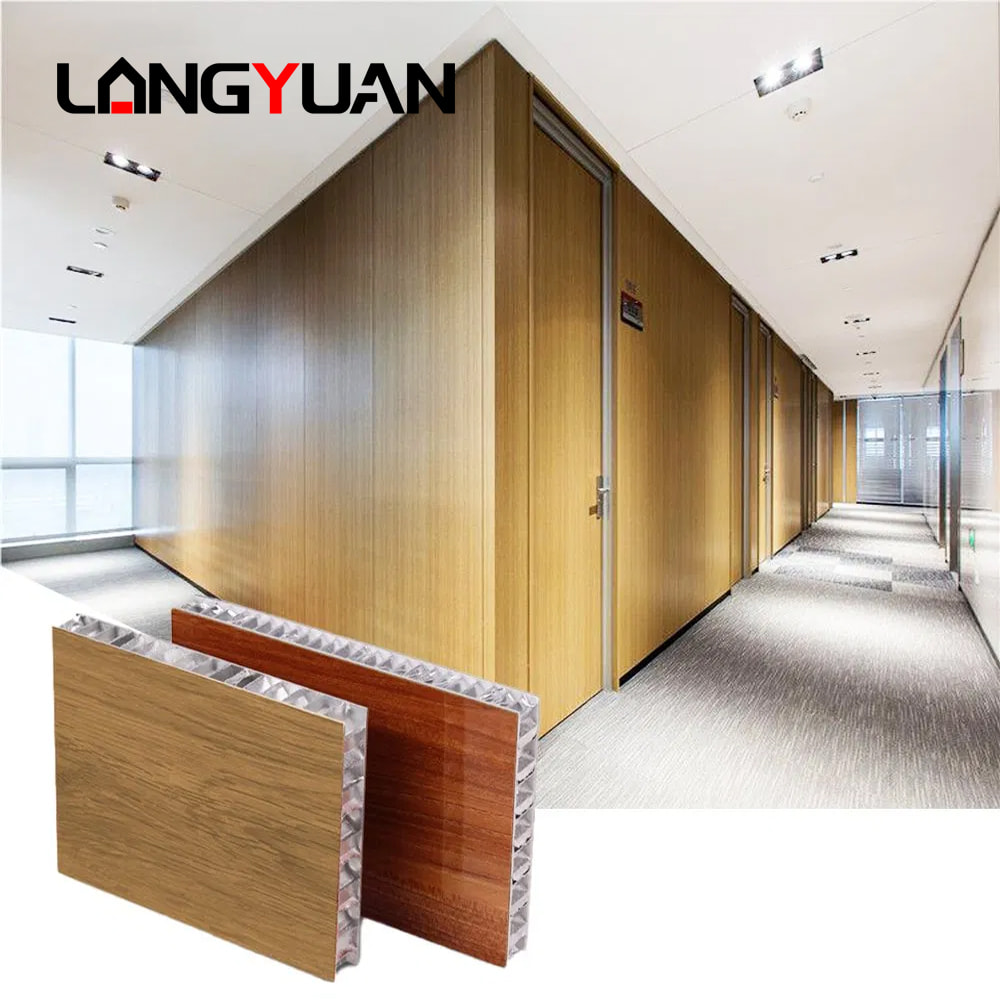
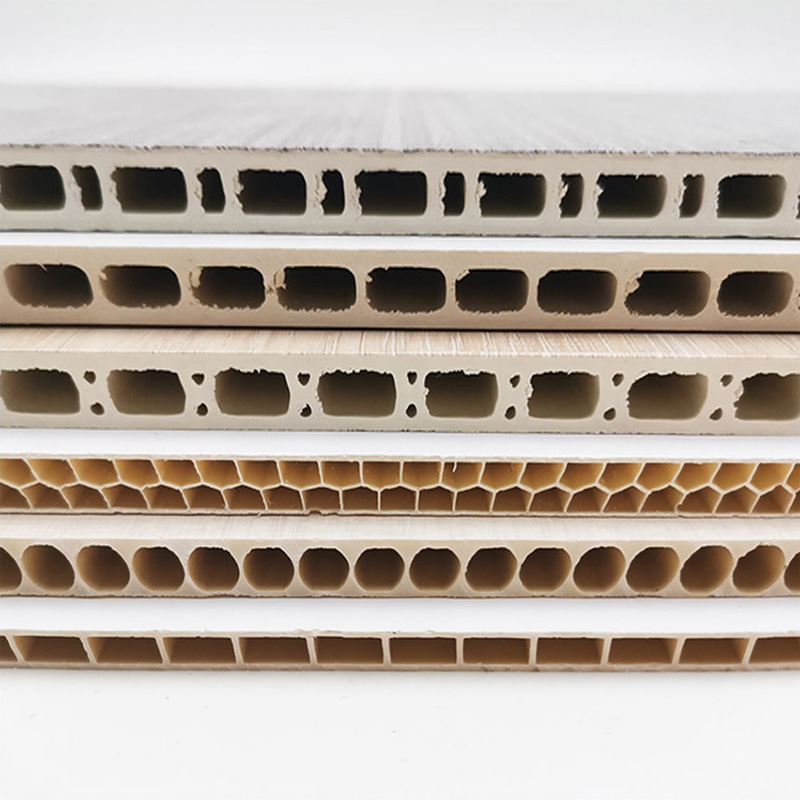
What is the Structure of an Aluminum Honeycomb PVC Panel? Aluminum Honeycomb PVC wall panels represent an advanced material solution that combines the strength and lightweight properties of aluminum with the versatility and durability of PVC. These panels are widely used in various industries, incl...
View MorePS Wall Panels Complete Guide: From Material to Installation, One Article to Understand Everything When choosing a wall finish, latex paint cracks, wallpaper gets moldy, tiles are expensive, and solid wood swells. Is there a material that avoids all these problems? Yes – PS wall panels. PS wall pane...
View MorePS Wall Panels Buying Guide: Don’t Just Look at Price – These 4 Points Matter Most Some PS wall panels online cost as little as a few dollars per square meter, while others are ten times more expensive. The patterns look similar – so why the huge price gap? Are cheap panels always bad? What exactly ...
View MoreFluted or ribbed wall panels have become a popular choice in modern interior design, offering a blend of aesthetic appeal and functional benefits. These panels feature vertical or horizontal grooves that create a textured, three-dimensional effect, enhancing the visual depth of any space. Whether used in residential or commercial settings, fluted panels add sophistication and elegance to walls, ceilings, and even furniture.
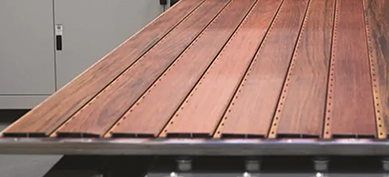
Fluted wall panels are characterized by their linear grooves, which can be uniform or varied in depth and spacing. These panels are also referred to as ribbed, grooved, or textured wall panel designs, depending on their pattern. Common applications include:
The manufacturing process varies depending on the material—whether PVC, MDF, wood, or composite boards—but the core techniques remain similar.
Different materials offer unique textures, durability, and installation benefits. Below are the most common types:
PVC (Polyvinyl Chloride) is a lightweight, moisture-resistant material widely used in interior wall cladding fluted panels. The production process involves:
Advantages of PVC Fluted Panels:
As a professional PVC fluted wall panel manufacturer, Haining Longtime Industry Co., Ltd ensures high precision in groove consistency, offering wholesale fluted wall panels in bulk for global markets.
Medium-Density Fiberboard (MDF) is a cost-effective material for decorative groove wall panel sheets. The manufacturing steps include:
Advantages of MDF Fluted Panels:
Natural wood panels (such as oak, walnut, or teak) are milled using:
Advantages of Wood Fluted Panels:
Wood-Plastic Composite (WPC) and Stone-Plastic Composite (SPC) panels combine durability with aesthetics. These are produced through:
Advantages of WPC/SPC Panels:
Fluted panels are versatile and used in various settings:
Residential Spaces:
Commercial Spaces:
Architectural Projects:
Decorative films are versatile materials used in interior design, furniture manufacturing, automotive wrapping, and architectural applications. These films come in various patterns, textures, and finishes, including wood grain decorative film, marble decorative film, 3D decorative film, and metallic decorative film. To achieve these designs, manufacturers use different printing methods, each offering unique advantages in durability, resolution, and cost-effectiveness.
Gravure printing, also known as rotogravure, involves engraving images onto a cylinder. The recessed cells hold ink, which is transferred onto the film substrate under high pressure.
Digital printing uses inkjet or laser technology to apply designs directly onto the film without plates or cylinders. This method allows for high customization.
Flexo printing uses flexible relief plates to transfer ink onto the film. It is commonly used for large-scale production due to its speed and efficiency.
Screen printing involves pushing ink through a mesh stencil onto the film. Each color requires a separate screen.
Offset printing transfers ink from a plate to a rubber blanket before applying it to the film. It is mainly used for paper-based films but can be adapted for PVC.
This method uses heat to transfer dye or resin-based ink from a ribbon onto the film.


Add: NO.10-1 Lianhong Road, Yuanhua Town, Haining City , Zhejiang Province, China
E-mail: [email protected]
Tel: +86-17757302351
WhatsApp: +86-17757302351
Copyright © by Haining Longtime Industry Co., Ltd. Rights Reserved.
Custom Wood Fluted Panels, Furniture Decorative Film Factory
 English
 Español