


GET A QUOTE
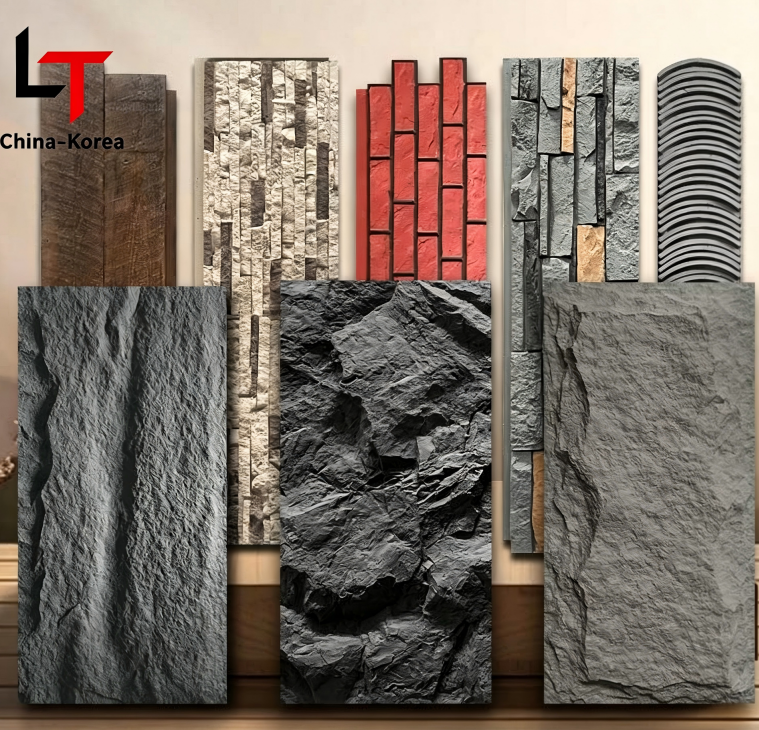
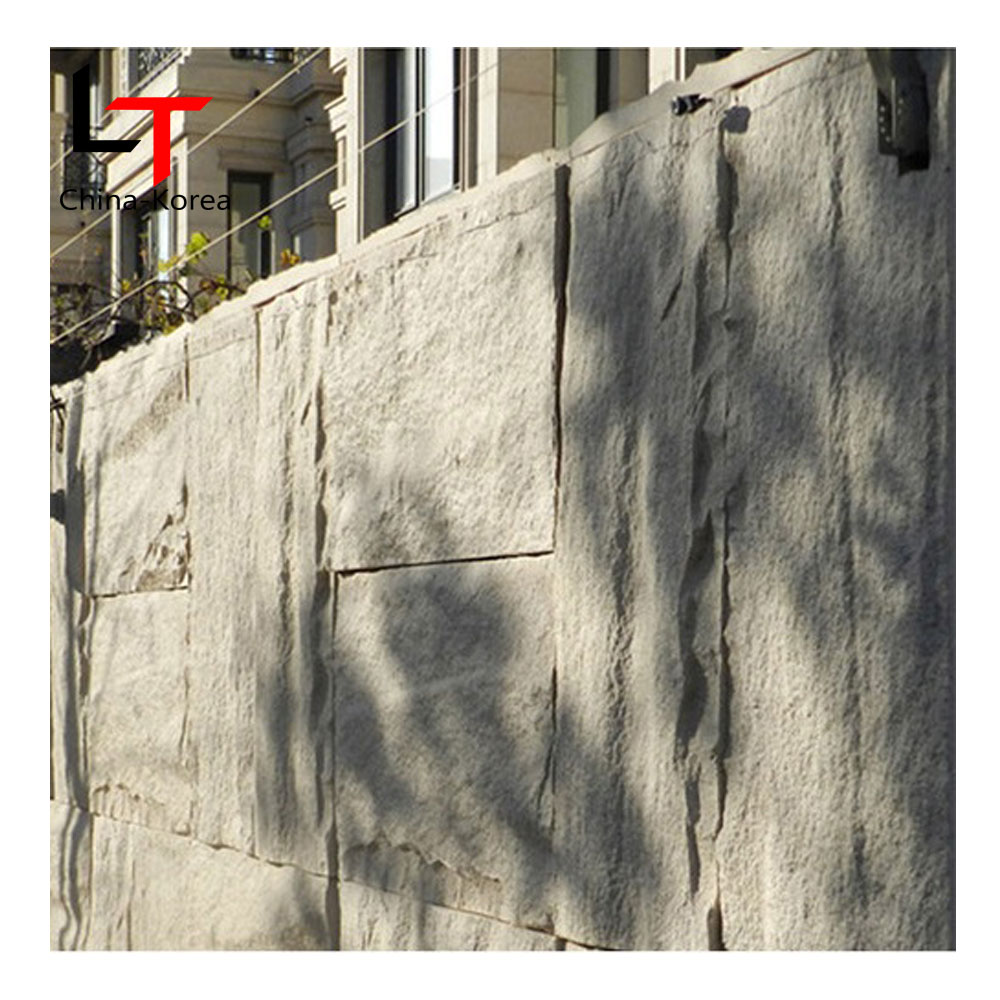
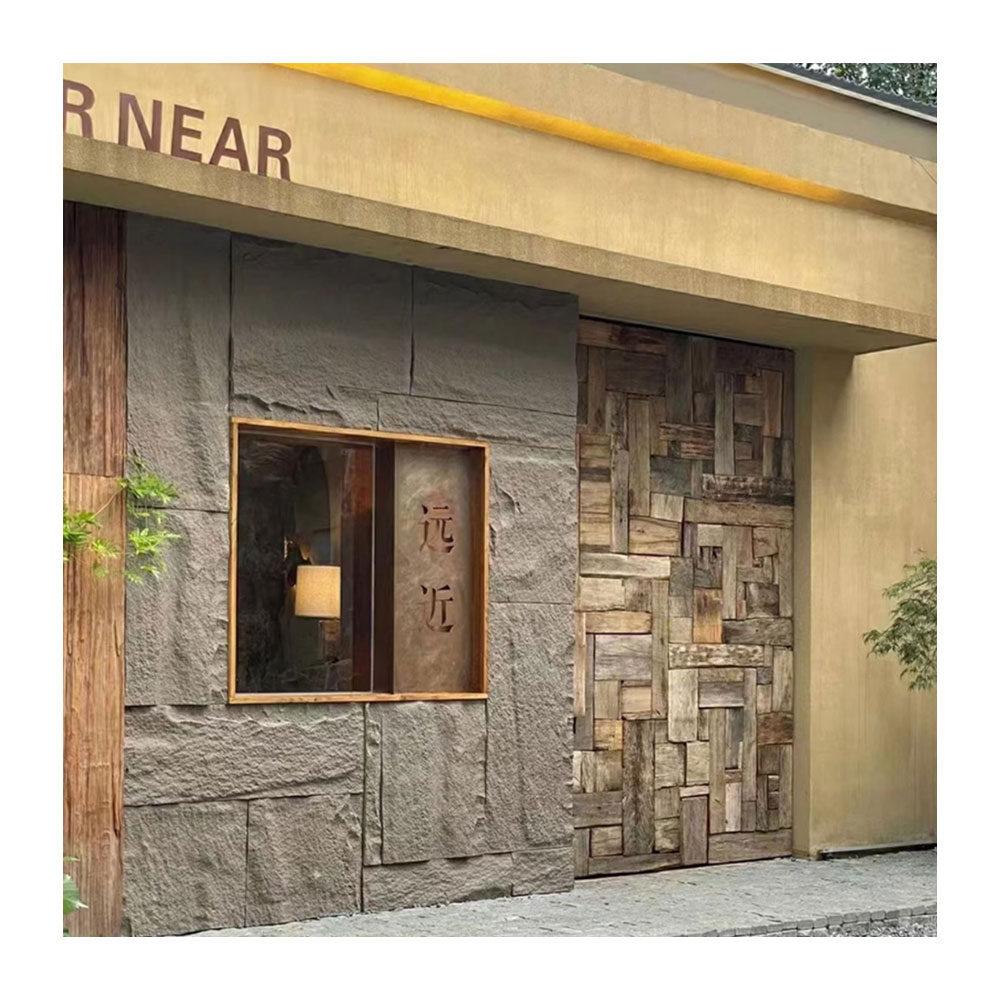
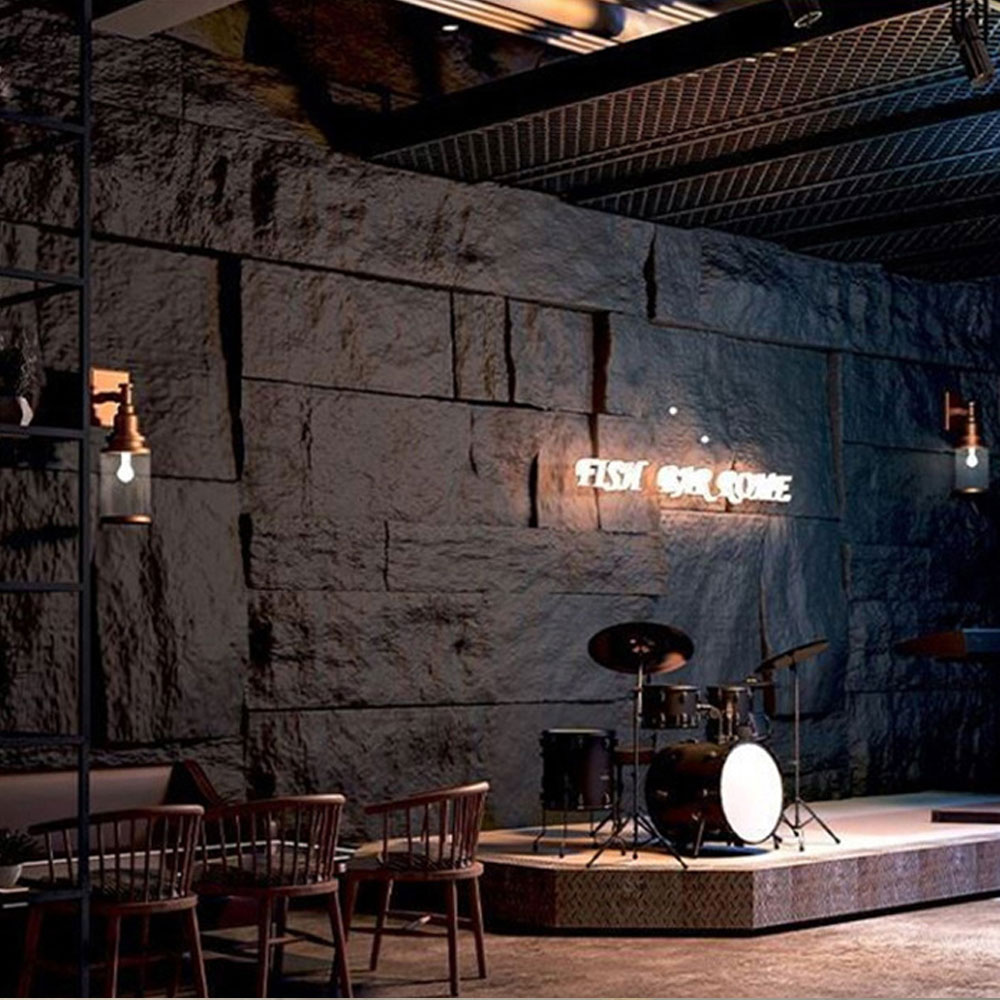
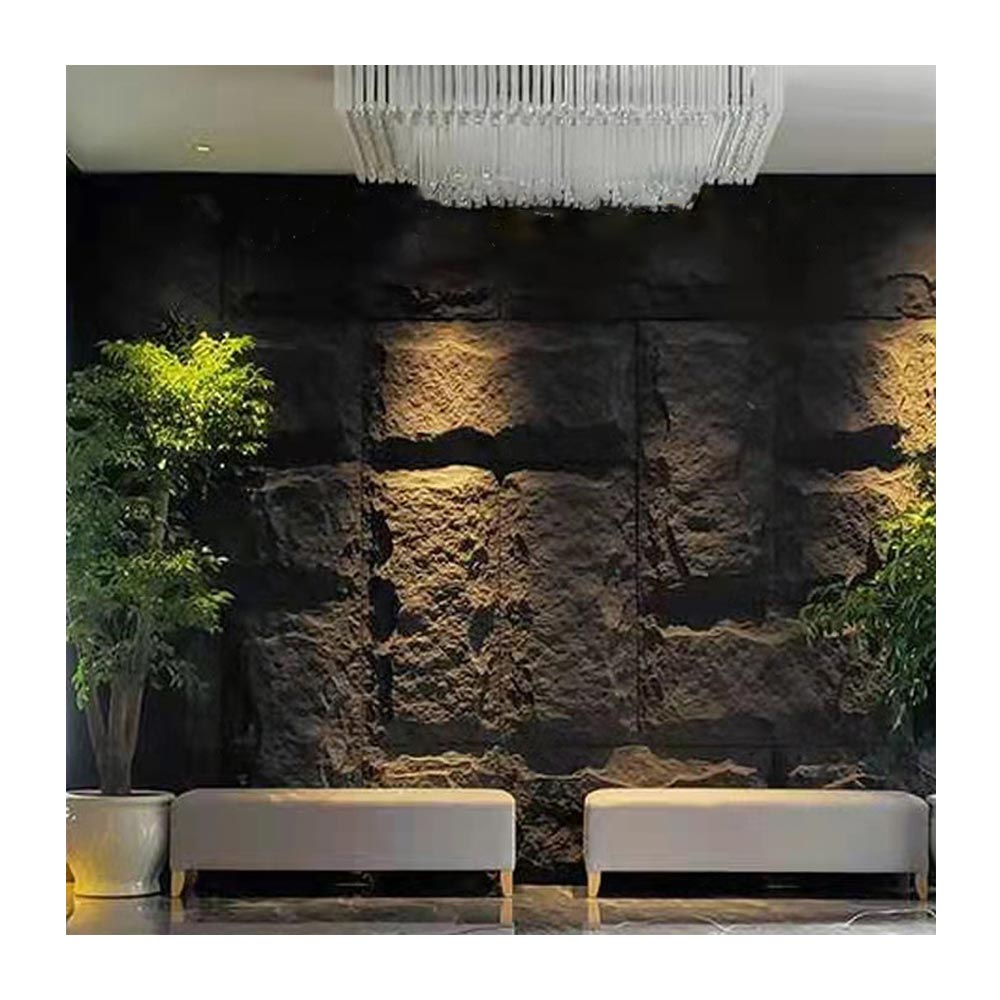
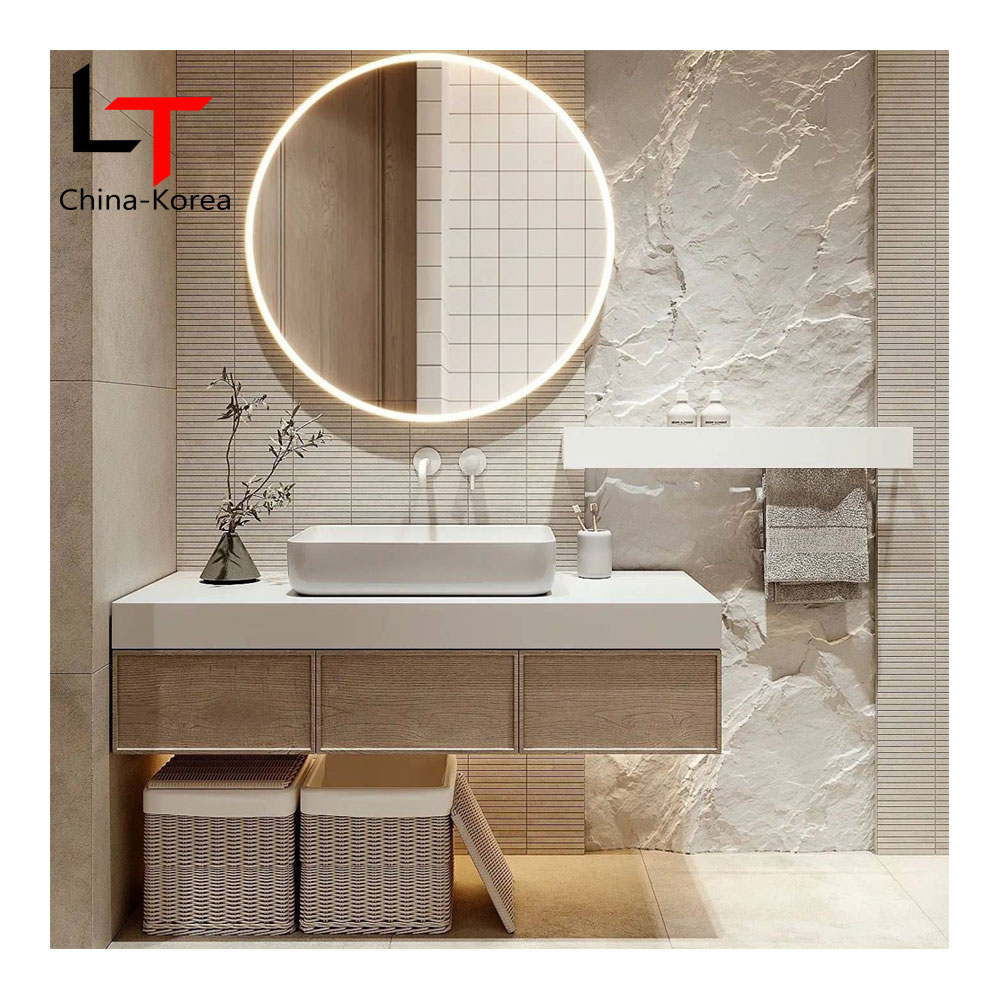
PU Brick Veneer Panels are prefabricated wall decorative materials with rigid polyurethane as the base material, whose surface is formed by molds and coated with a weather-resistant coating. It transfers the texture, brick joints and surface texture of traditional brick walls or stone walls to the panels through molds in one go, realizing the industrial production of "masonry effect".
Different from real brick masonry, this product does not rely on mortar bonding and manual pointing, but is directly fixed on the base wall by gluing or dry hanging. It mainly solves three practical problems: wall load limitation, long construction period and uncontrollable material color difference.
|
Item |
Specification |
|
Model |
Red Brick Texture |
|
Panel Size |
2400 × 600 × 50 mm |
|
Weight per Panel |
Approx. 9.5 kg (≈6.6 kg/m²) |
|
Number of Simulated Bricks |
8 rows vertically × 4 pieces horizontally (32 pieces/panel) |
|
Size of Single Simulated Brick |
Approx. 240 × 70 mm |
|
Width of Prefabricated Brick Joint |
10–12 mm |
|
Base Material |
High-density polyurethane (closed-cell rate ≥95%) |
|
Surface Coating |
Acrylic polyurethane + UV protection layer |
|
Surface Roughness |
Ra ≈ 8–12 μm (simulating fired brick texture) |
|
Operating Temperature |
-40℃ ~ +85℃ |
|
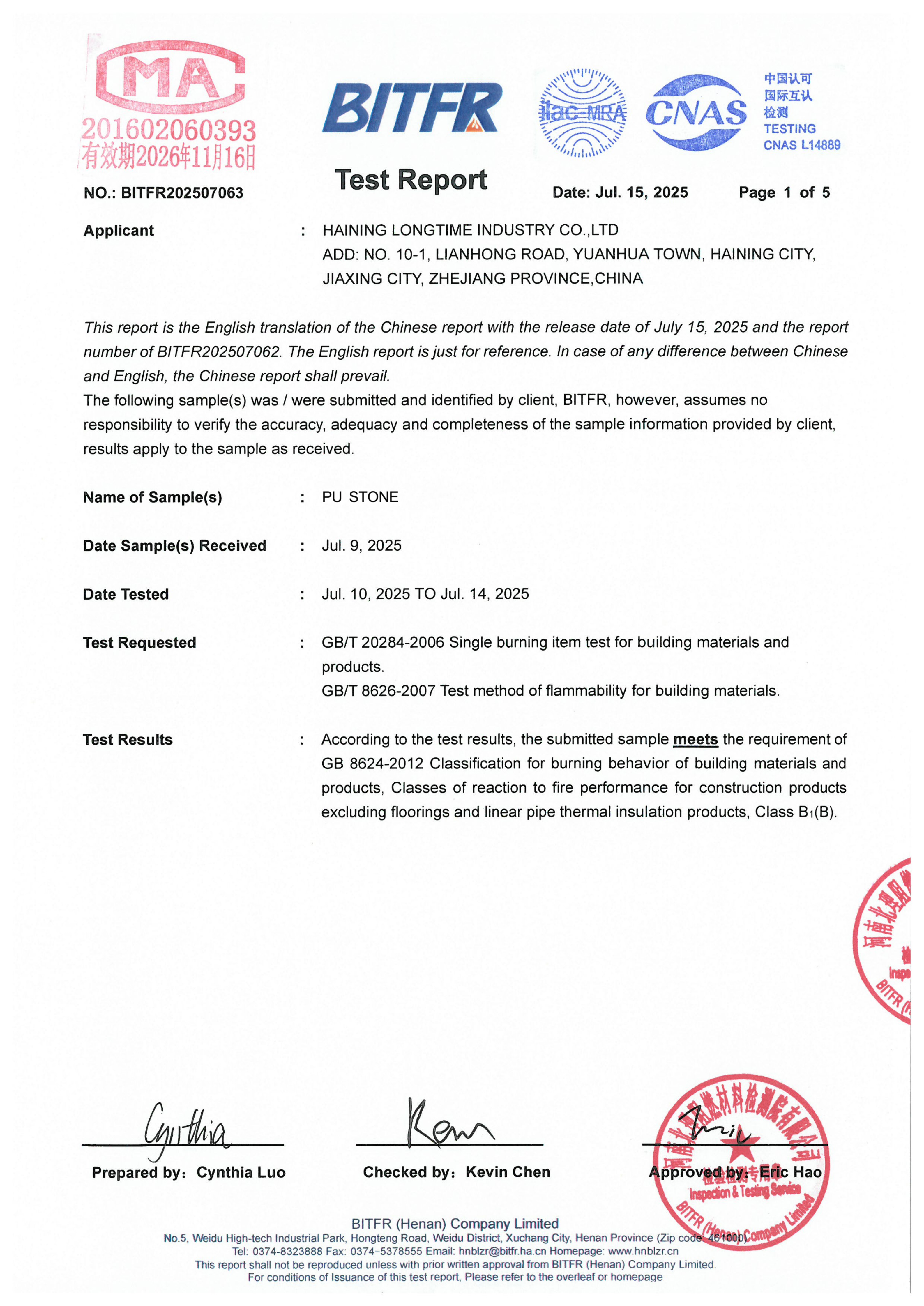
Fire Rating |
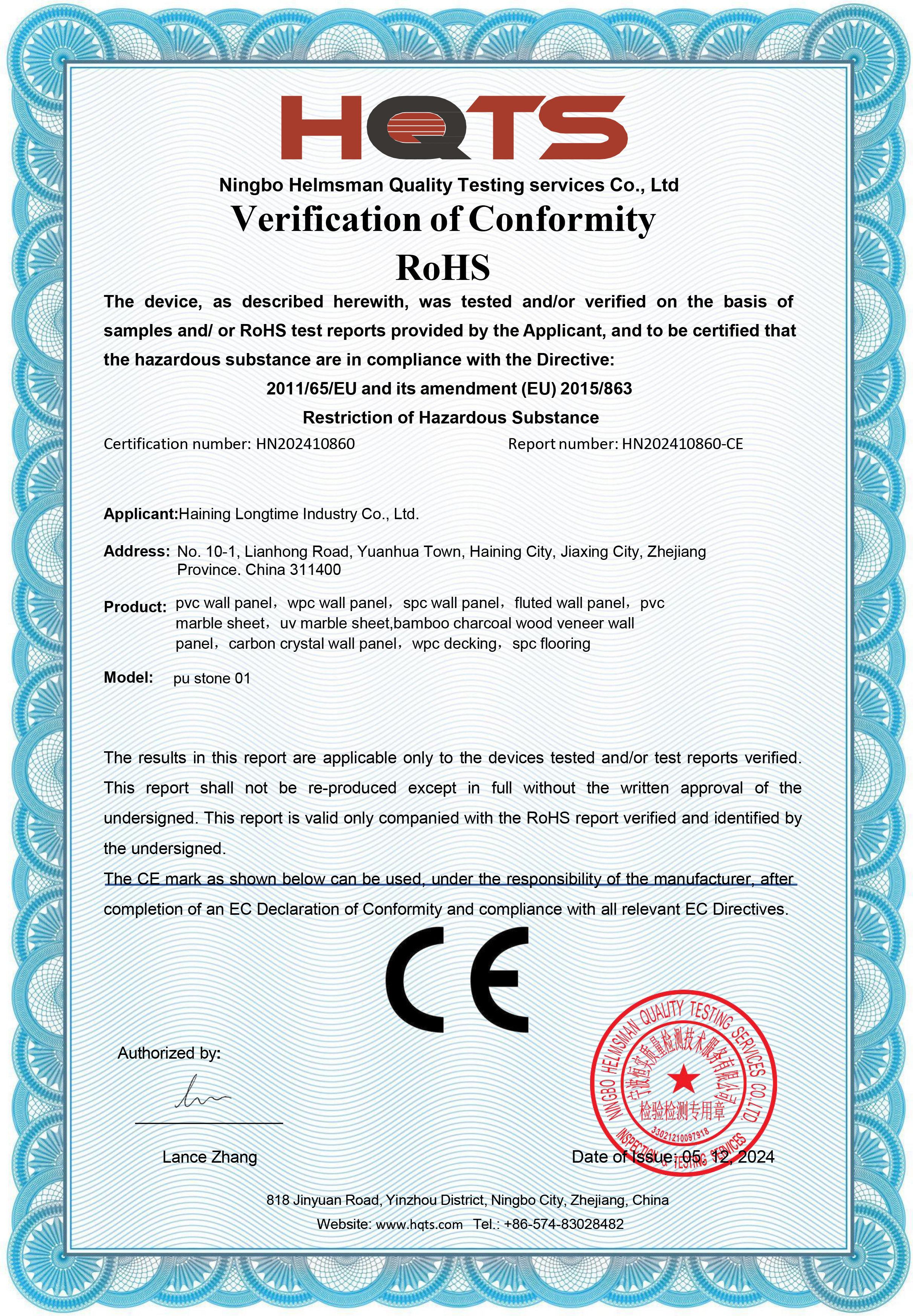
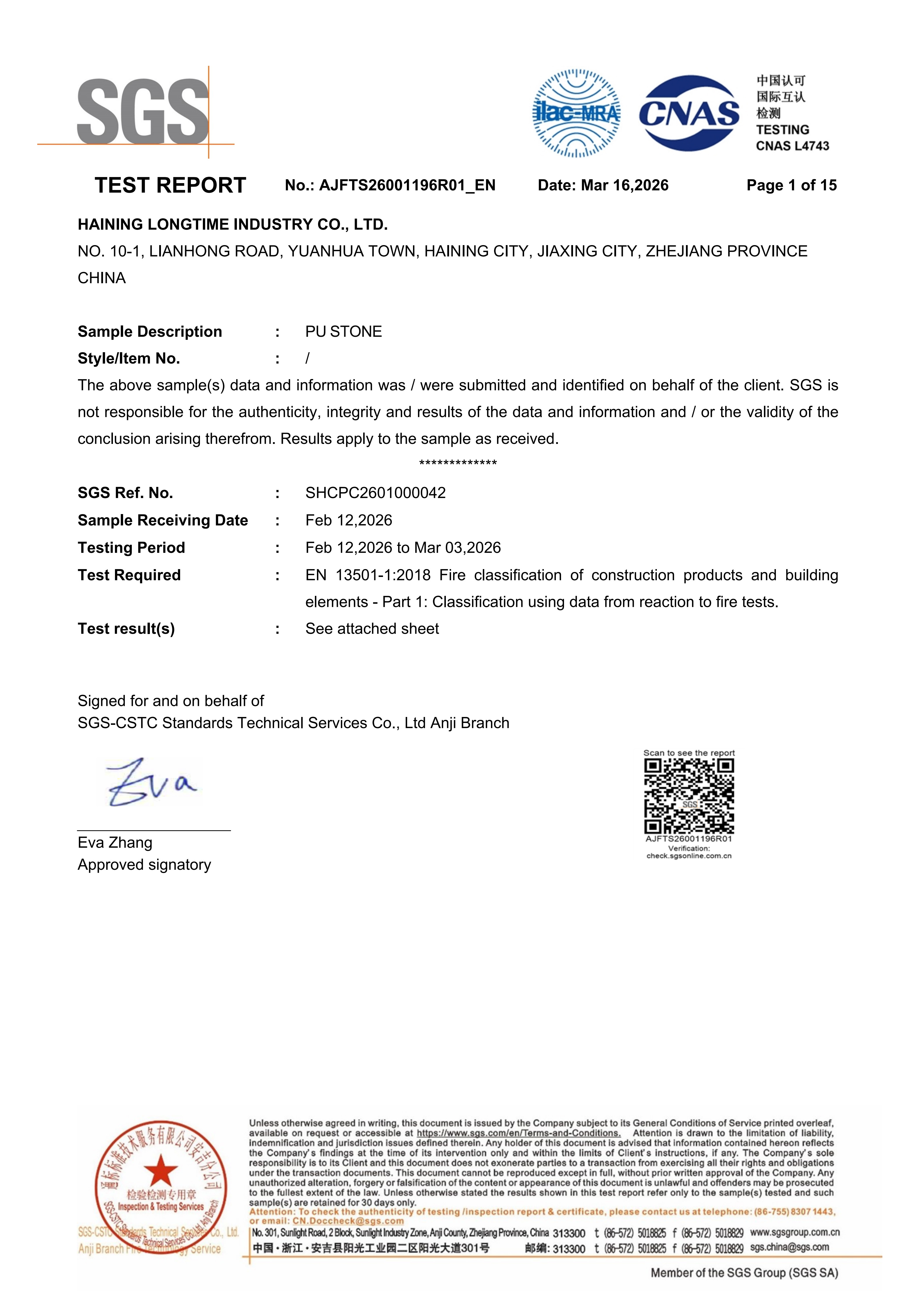
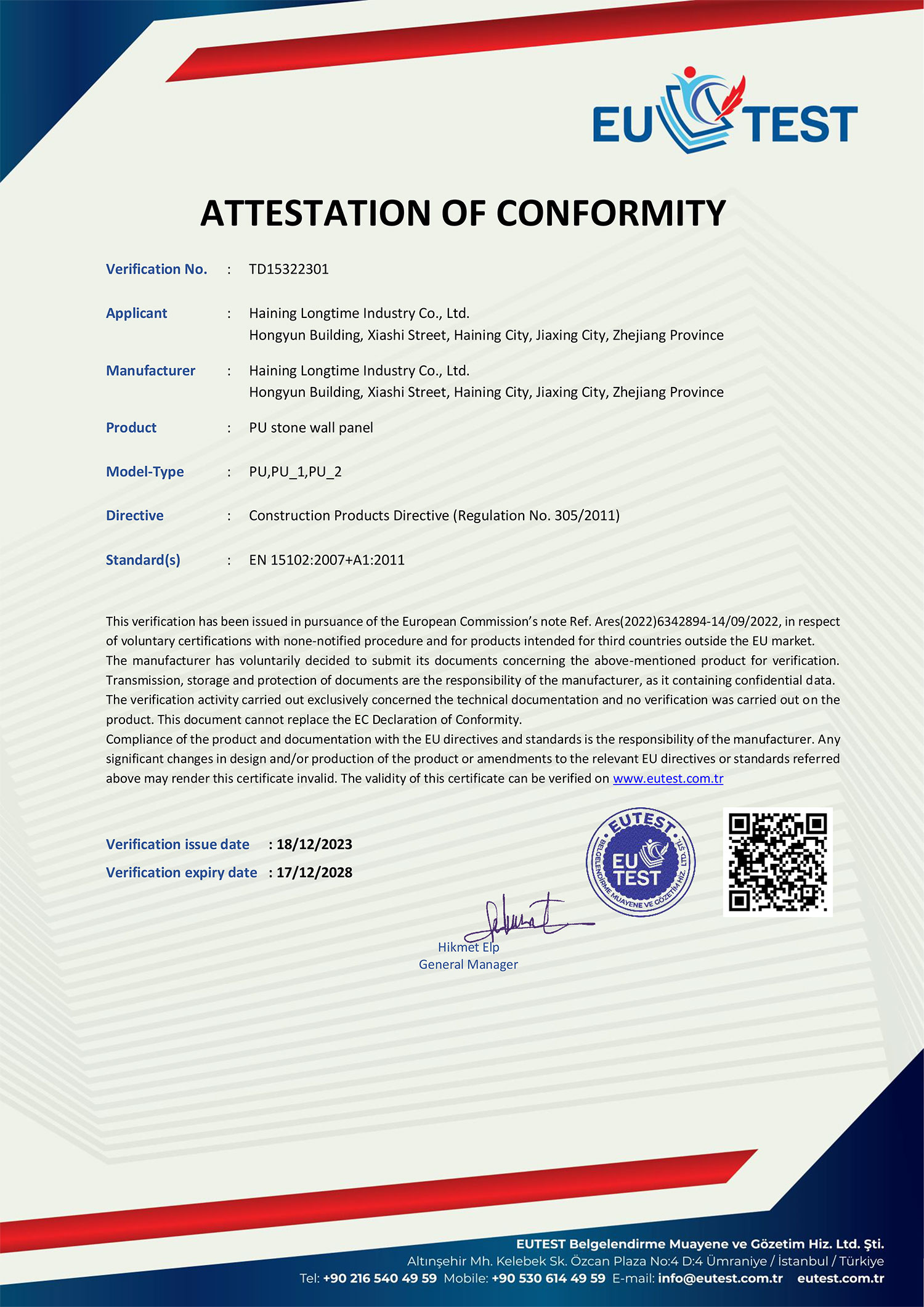
B1 (GB 8624) / Euroclass B |
|
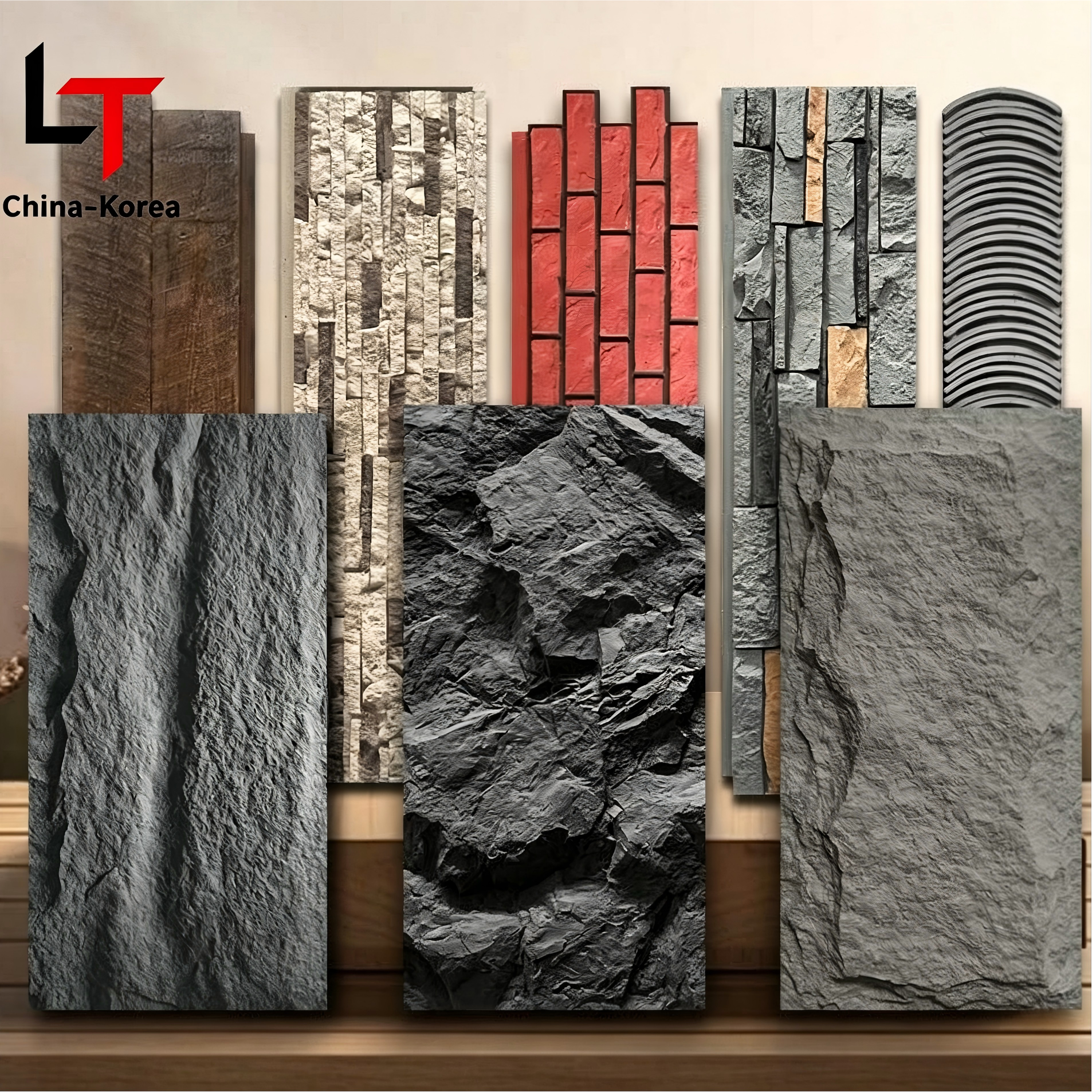
Optional Textures |
Red brick, gray brick, cultured stone, antique brick, cement brick |
Customizable: Brick size, brick joint width, panel size.
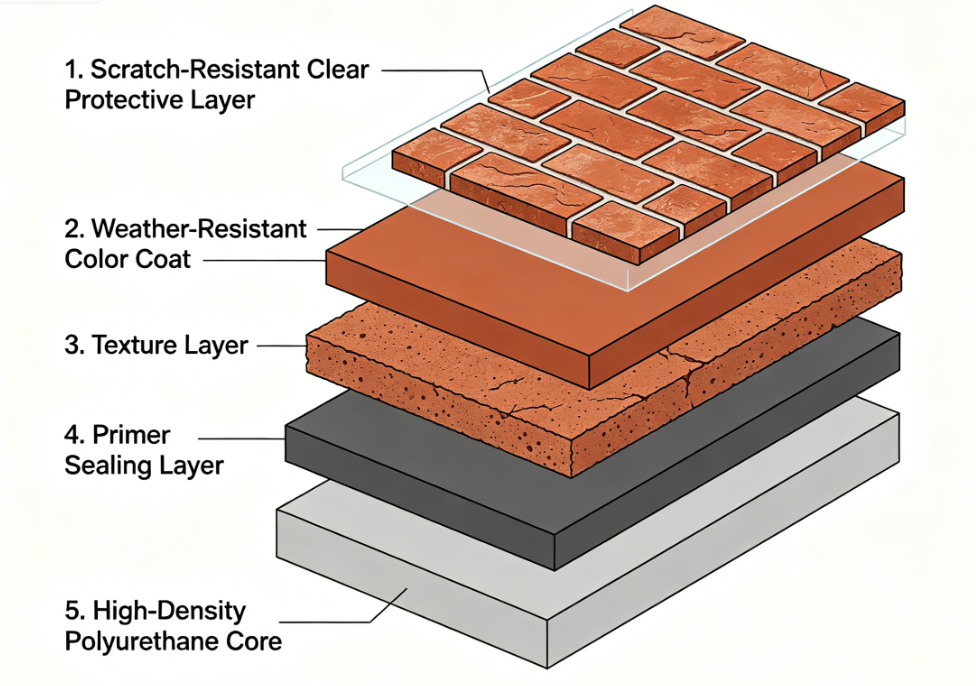
There are five layers from outside to inside:
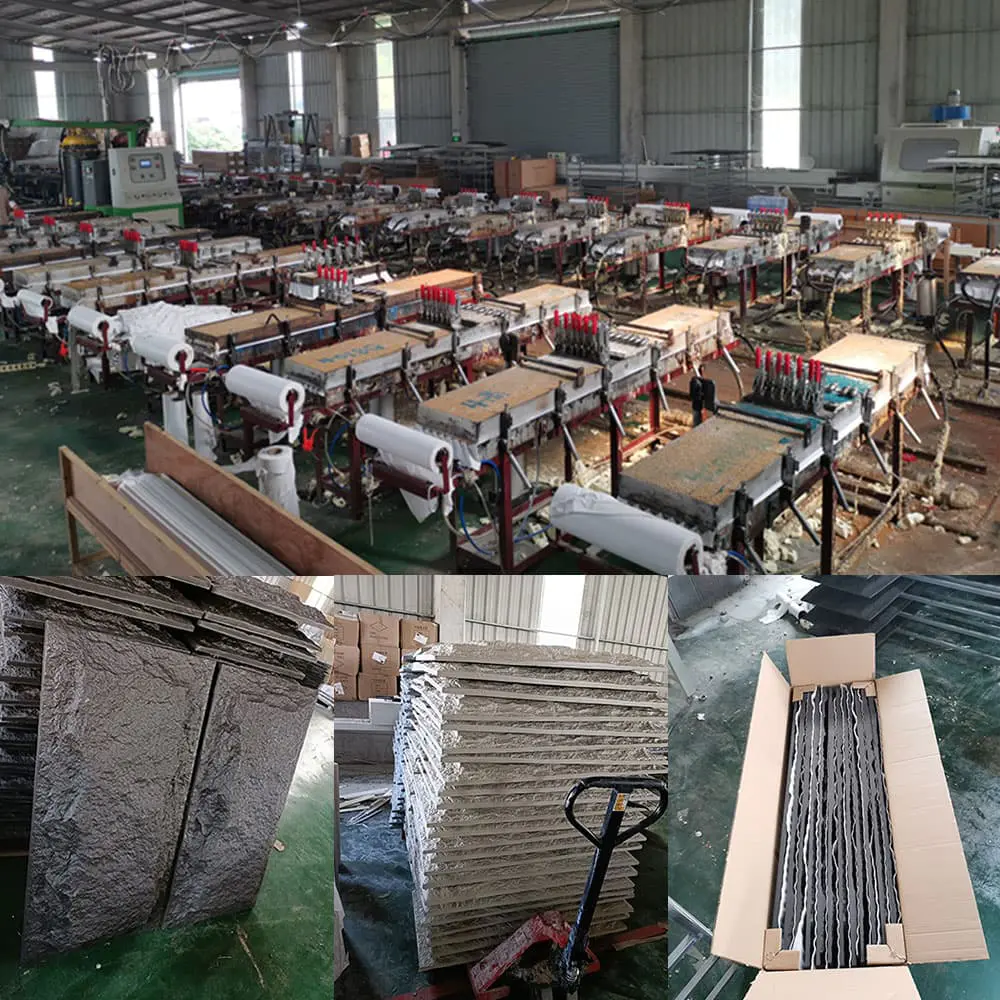
Adopting negative pressure casting process. Liquid polyurethane is injected into the preheated silicone mold, demolded after foaming and curing, then trimmed, sprayed with topcoat, and back-coated with anti-adhesive layer (optional). The mold is reproduced from standard clay bricks, with high texture precision and good batch consistency.
|
Performance |
Test Standard |
Measured Value |
|
Apparent Density |
GB/T 6343 |
420 ± 30 kg/m³ |
|
Compressive Strength |
GB/T 8813 |
≥1.2 MPa |
|
Flexural Strength |
GB/T 9341 |
≥2.5 MPa |
|
Water Absorption |
GB/T 8810 |
≤0.5% |
|
Freeze-Thaw Resistance (100 Cycles) |
-30℃ Cycle |
No cracks, no delamination |
|
Artificial Aging Resistance |
QUV 2000h |
No chalking, ΔE ≤ 2 |
|
Combustion Performance |
GB 8624 |
B1 (B-s1, d0) |
|
Thermal Conductivity |
GB/T 10294 |
0.032 W/(m·K) |
|
Item |
Real Brick Masonry |
PU Brick Veneer Panels |
|
Surface Density |
Approx. 80–120 kg/m² |
Approx. 6.6 kg/m² |
|
Construction Period |
Masonry + plastering + pointing, slow |
Gluing or dry hanging, fast |
|
Substrate Requirements |
Requires structural load-bearing, needs mortar leveling layer |
Only flat substrate is needed, no structural reinforcement required |
|
Color Consistency |
Large batch color difference, difficult to fully unify |
Factory-controlled, stable in batches |
|
Freeze-Thaw Risk |
Porous material absorbs water, prone to cracking |
Closed-cell structure, no freeze-thaw problems |
|
Removability |
Irreversible, demolition results in waste |
Entire panel can be disassembled, some can be reused |
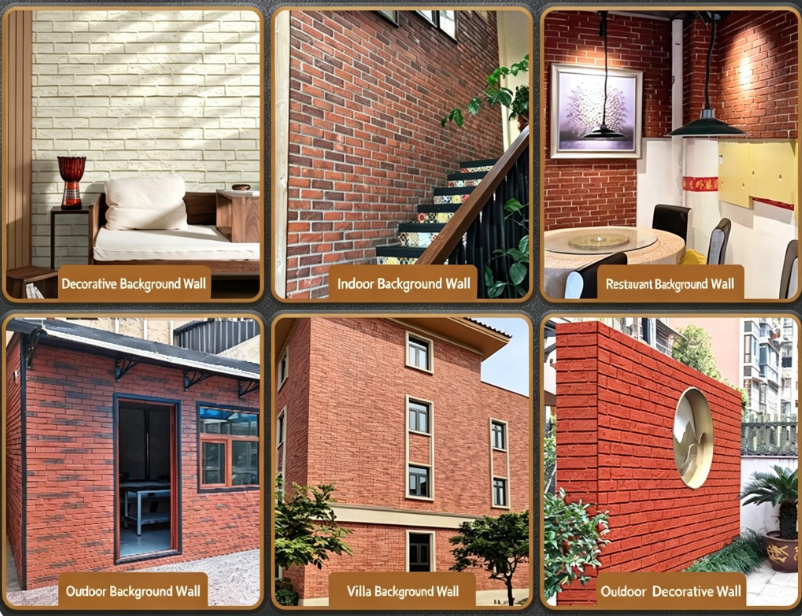
The front texture and color are close to real fired bricks. The differences are mainly reflected in the knocking sound and back material. The front touch is rough due to the addition of aggregates, which is similar to real brick walls.
2.Can it be used for exterior walls of high-rise buildings?
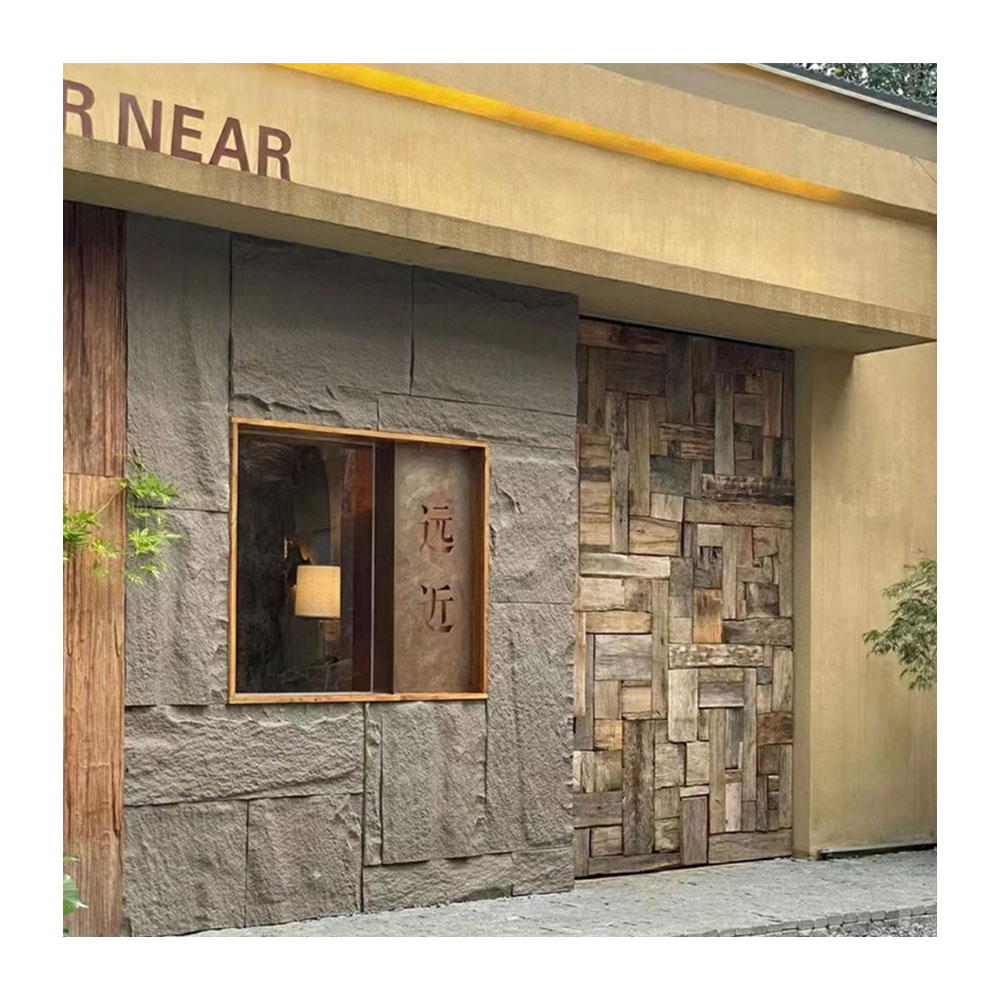
Yes. The B1 fire rating meets the specifications of most high-rise buildings. For buildings above 100 meters, dry hanging or mixed fixation is recommended, and special wind pressure calculation shall be carried out. The self-weight of the panel is low, and the requirement for keel load is much lower than that of real bricks and stones.
3.How to clean the surface?
The surface is hydrophobic, and most dust can be removed by rain washing. For long-term dust accumulation, a low-pressure water gun (≤8 MPa) or a soft brush with neutral detergent can be used. Avoid using strong acid, strong alkali or high-pressure water gun for close-range flushing.
4.How to handle panel joints?
The edge of the panel is designed as a stepped lap joint or tongue-and-groove structure. After installation, a shadow gap consistent with the width of the prefabricated brick joint is naturally formed. If waterproof sealing is required, color-matched polyurethane sealant can be filled.
5.Can it be installed on curved walls?
The panel has a certain flexibility, with a minimum bending radius of about 3 meters (along the length direction). For smaller radians, custom curved molds are required.
6.How to obtain samples?
200×200 mm actual panel samples are provided free of charge (freight collect). A small mold fee is required for custom color samples.
7.What is the warranty period?
Standard warranty is 10 years, covering manufacturing defects such as coating fading (ΔE > 5), delamination and cracking. For extreme climate areas, enhanced coating can be selected, and the warranty is extended to 15 years.
8.How does the comprehensive cost compare with real brick walls?
Taking 100 m² exterior wall as an example, the cost of real brick masonry (masonry + plastering + pointing) is about 28,000–35,000 yuan; the cost of PU brick veneer panels (panels + glue + labor) is about 22,000–28,000 yuan. The comprehensive cost is 20–30% lower, and the construction period is shortened by about 70%.
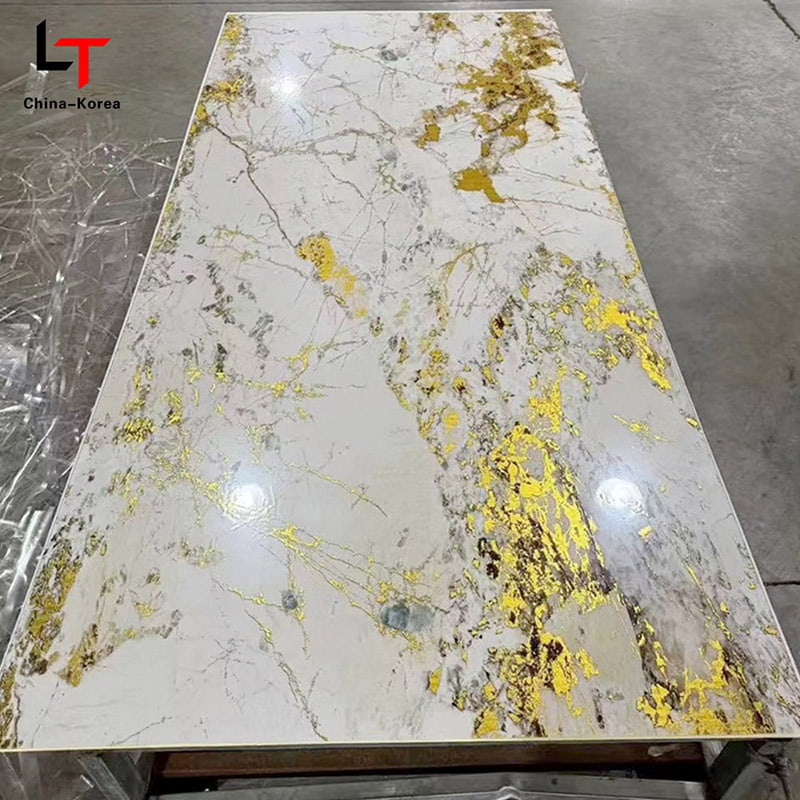

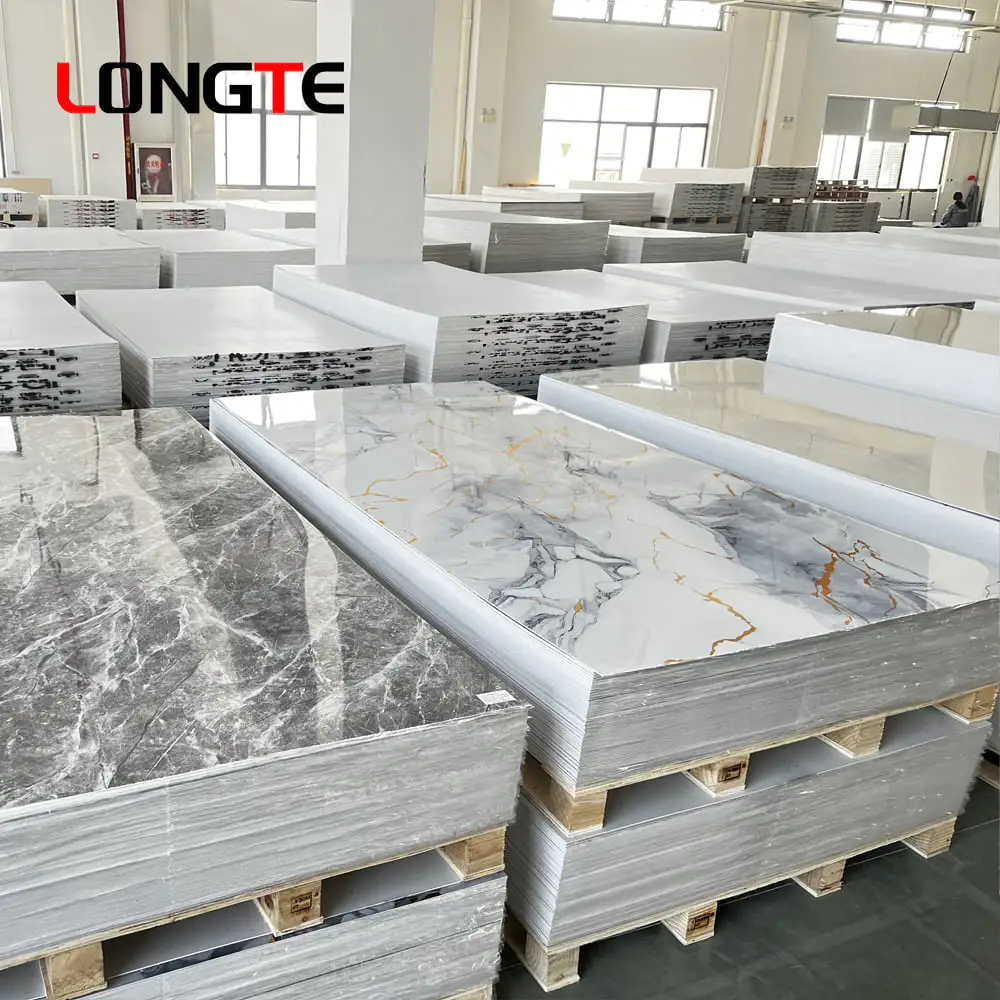
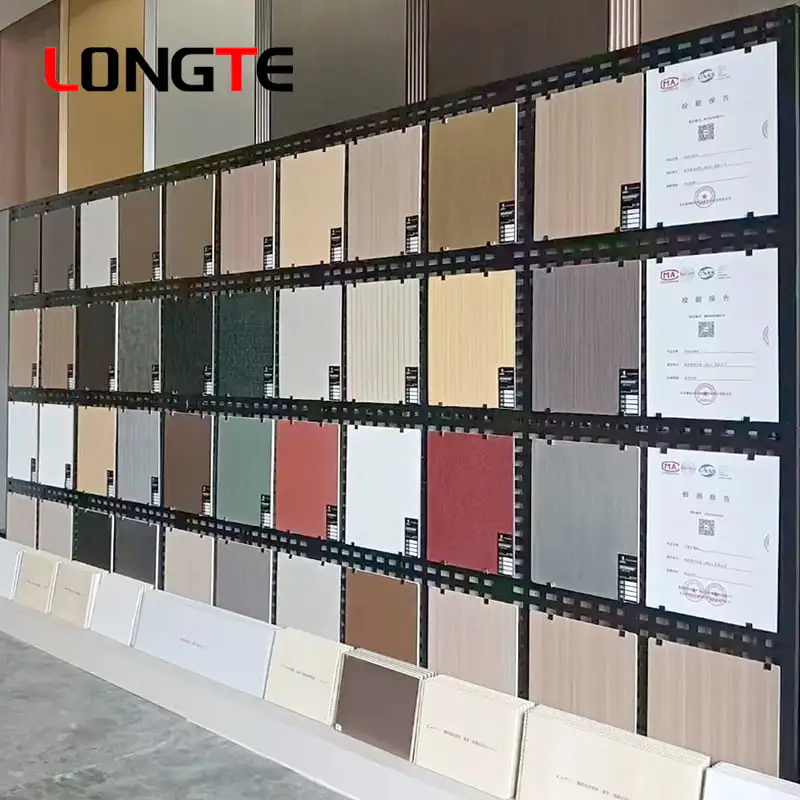
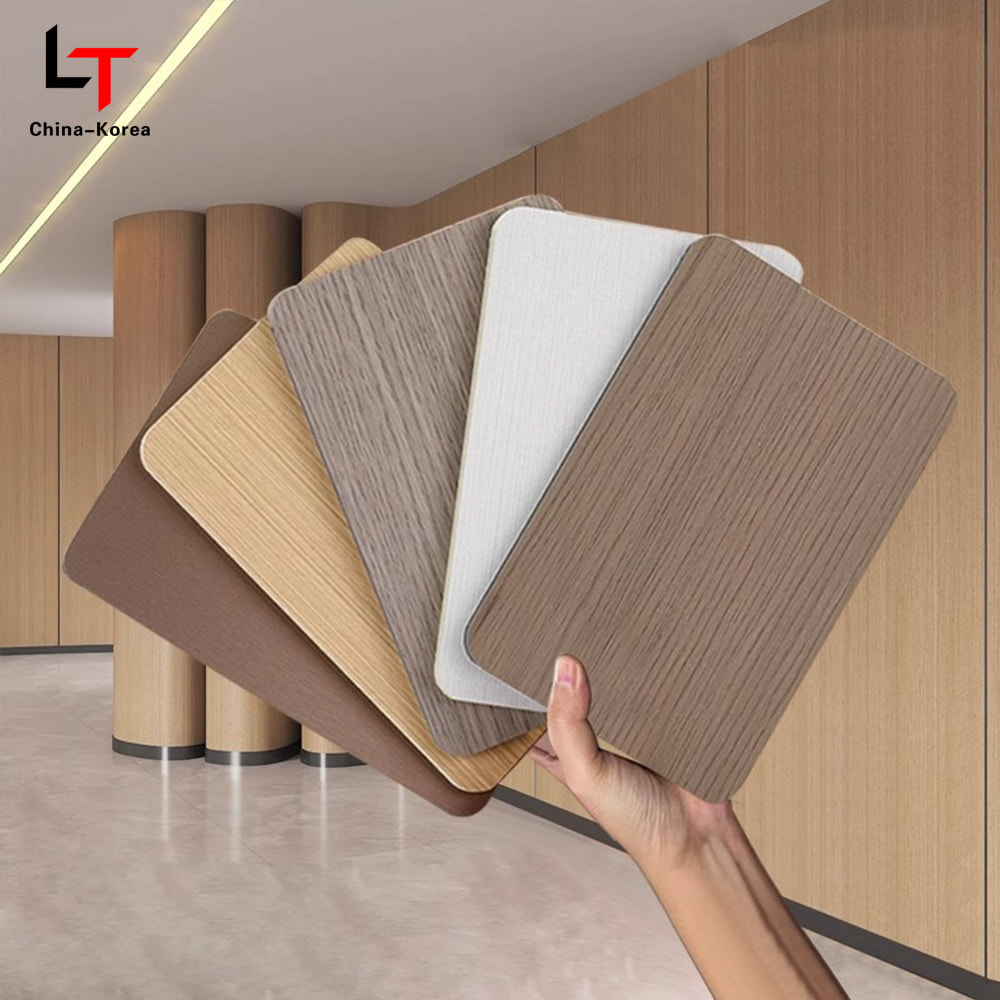
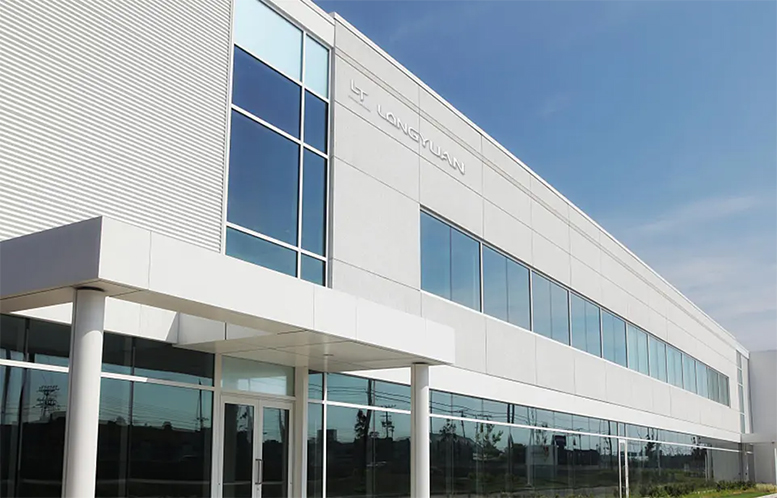
Established in 2005, our factory started with producing PVC Ceiling and Wall Panels, and has grown to be a professional China PVC ceiling panels manufacturer and a wholesale PVC panels factory, committed to providing our customers with high-quality products and services. After 20 years of development, we now own 5 large factories: Haining Halong PVC Ceiling Factory, Haining Longtime Film Factory, Guangxi PVC Wall Panel Factory, Indonesia PVC Wall Panel Factory, and Vietnam PVC Wall Panel Factory.
Our main products include: PVC Ceiling Panels, PVC Wall Panels, WPC Wall Panels, Hot Stamping Foil, PVC Lamination Film, SPC Flooring, WPC Decking, and other related products. Our annual sales can reach up to 35 million USD.
Imagine you are sitting on your patio with a cup of coffee, and you clearly see the neighbor at the next fence. One decorative garden screen can change that in a single afternoon....
View MoreThe bathroom wall is the most demanding vertical surface in a building. It sees steam, soap scum, daily water exposure, and constant temperature change. Traditional ceramic tiles ...
View MoreLast week, someone on a design forum asked where to find dark wood paneling for a single mid-century modern accent wall. The answer they kept getting was "sold in bulk only." That...
View MoreImagine a renovation scenario where the paintwork is old, the wallpaper has been peeled off, and the surface underneath shows a rough orange-peel texture that catches light from e...
View More

Add: NO.10-1 Lianhong Road, Yuanhua Town, Haining City , Zhejiang Province, China
E-mail: [email protected]
Tel: +86-17757302351
WhatsApp: +86-17757302351
Copyright © by Haining Longtime Industry Co., Ltd. Rights Reserved.
Wholesale PU Brick Veneer Panels Suppliers
 English
 Español