

 English
 Español

Last summer, the backyard looked like a blank sheet of paper. The lawn was patchy, the patio held two folding chairs, and the barbecue was buried behind a pile of tools. The family did not need more land; the family needed a plan. A well-planned backyard entertainment zone gives every square meter a job. The secret is to design it around how you actually live: cooking zones close to the door, lounge zones in the shade, and play zones visible from the seating area. The conclusion is simple. Start with a logical division of space and weather-resistant materials. Everything else is a detail.
Why Zoning Your Backyard Matters
Start with a conclusion: zoning is the fastest way to turn a small yard into a usable playground. People often think a bigger budget creates a better result, but the opposite is true. A narrow, awkward yard with a clear layout can outperform a large, open lawn that has no direction.
When you define zones, you automatically solve three problems. First, you know where to spend money. The cooking and dining zone gets the highest quality floor because it takes the most traffic. Second, you make maintenance simpler: washing one hundred square meters of decking is much easier than protecting a whole lawn. Third, you create a feeling of depth. Even a simple fence panel can become a visual boundary that makes the yard feel complete.
Common zones for an entertainment backyard include a cooking and dining zone, a comfortable lounge zone, a fire pit or relaxation spot, and a shaded or covered area for bad weather. In a small yard, these zones can overlap, but they still need materials that suit each function. A soft stone wall panel might define a dining backdrop, while a water-resistant wall panel keeps the outdoor kitchen area dry. Traffic flow also matters. If guests have to walk through the grilling area to reach the bar, the space will feel crowded. Keep the main path three to four feet wide, and the cook should be able to turn from the grill to the dining table in one step.
Choosing Materials That Work Hard in Your Outdoor Zone
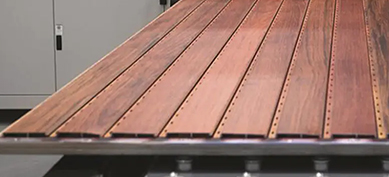
The floor is the first thing that gets used and the first thing that shows wear. That is why the choice of outdoor flooring should be the first material decision in the plan. A good outdoor entertainment zone needs a floor that stays dry, resists scratches, and does not splinter under sandals. Interlocking WPC outdoor decking does exactly that: it clicks together without nails, survives rain and sun, and offers the look of natural wood without the annual sanding and staining.
For the floor, interlocking WPC outdoor decking gives a stable walking surface with wood-grain texture and a slip-resistant finish. It is popular for patios, garden paths, and poolsides because it drains quickly and will not rot. Waterproof Anti-slip Stain resistant make it a safe choice for families with children.
 Interlocking WPC Outdoor Decking with 3D Embossed Wood GrainThis composite decking offers a stable, slip-resistant surface with a wood-like texture, ideal for patios and poolside areas. Its low water absorption and anti-UV coating ensure durability in outdoor environments, making it a practical choice for family spaces.View Product →
Vertical surfaces define the boundaries. Dark or wood-textured wood-texture WPC exterior wall panels can turn a plain perimeter into a design feature. They also add privacy without the maintenance of painted wood. For long-term performance, you want a panel with an anti-UV coating and a dense core.
 Wood-Textured WPC Exterior Wall Panels with Black PatternThese fluted wall panels provide a modern, maintenance-free facade that enhances privacy and visual appeal. With high bending strength and weather resistance, they withstand UV exposure and moisture, offering long-lasting performance for exterior cladding.View Product →
The third piece is separation. A fence that does not rot is worth the investment in an outdoor room. WPC composite privacy fence panels block sight lines, reduce wind, and still allow airflow. They are engineered for the kind of environment where a wooden fence starts to crack after two or three seasons. When you plan a layout, ask yourself which areas need to be visible and which need to be private.
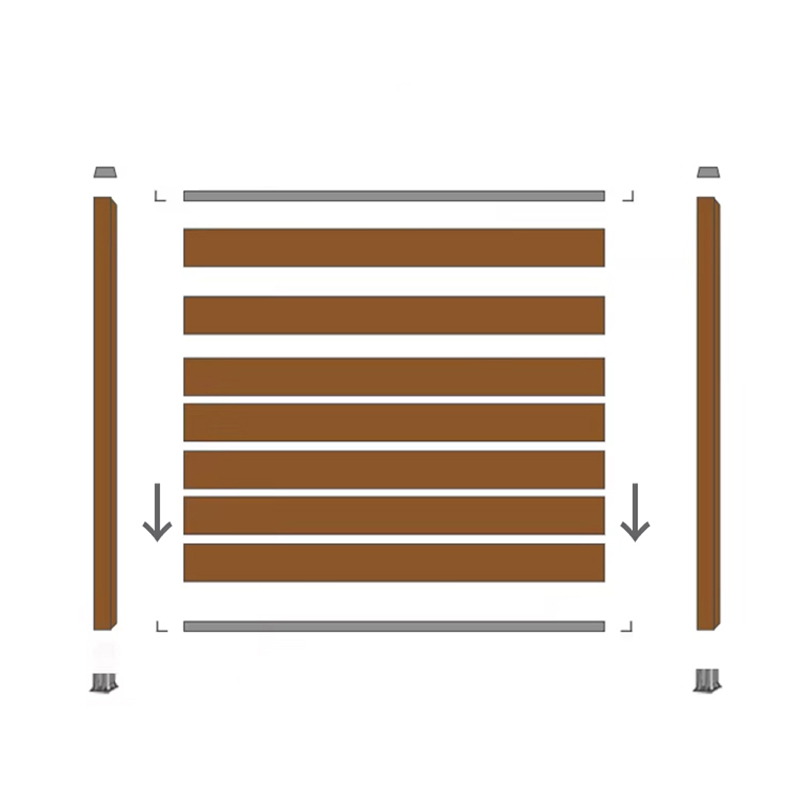 Co-Extruded WPC Privacy Fence Screen with Termite ResistanceThis decorative fence combines wood fiber and HDPE for a durable, low-maintenance barrier. It resists rot, termites, and harsh weather, while its easy installation and long service life make it a cost-effective solution for garden privacy.View Product →
Outdoor surfaces are the only part of a backyard that work all day, every day. Choose them like you choose shoes: for support, weather, and long walks.
For a deeper look at how exterior panels handle real weather, read this guide to WPC exterior wall panels. It explains the difference between ordinary PVC and strong composite structures, and it gives practical advice on installation and cleaning.
| Material | Water Resistance | UV Stability | Maintenance | Best For |
|---|---|---|---|---|
| WPC decking | High | High | Wash with soap and water | Patios, pool decks, garden paths |
| Natural wood | Low / Medium | Medium | Stain every one to two years | Covered or sheltered areas |
| Concrete | High | High | Seal every few years | Ground-level lounges, dining zones |
| Natural stone | High | High | Sealing recommended | Feature areas, borders |
Step-by-Step Build Plan
Once the zones are planned and materials chosen, build in the right order. Doing so prevents wasted materials and do-overs.
- Measure and map every zone on paper. Mark the cooking, dining, lounge, and play areas. Draw a simple layout grid with a scale.
- Clear and level the surface. Address drainage first. Water running toward a neighbor or pooling under a deck is the leading cause of premature failure.
- Install the floor. If you choose click-lock WPC decking, you can skip nails and glue. The interlocking system usually takes one person and a weekend for a medium-sized patio.
- Add vertical elements. Install wall panels and fences before furniture. They define the room and provide wind protection. Make sure each panel has a small gap for thermal expansion.
- Bring in lighting and furniture. Aim for a mix of task lighting over cooking areas and soft ambient lights around seating. Use outdoor-rated plugs and cables.
- Do a trial run. Invite guests for a simple barbecue before you buy the expensive items. This tells you which zone gets used and which one is just decoration.
Design Details That Turn a Zone into a Destination
Design details make the space feel intentional. A single light source that casts long shadows can make a wooden fence look dramatic. A few pots with low-water plants soften the hard lines of a deck. Even the color of a wall panel matters: gray wood-tone panels hide dust, while white or beige make the space feel airy.
Layer your lighting. Use wall-mounted fixtures along fences, string lights above the dining table, and LED strips under benches or deck edges. The goal is to light the walkways while keeping the upper sky dark for conversation.
Use texture as a tool. Pair smooth composite decking with a rough stone accent wall, or add a slatted wood wall panel to create a rhythm. Water features add white noise that masks traffic. Also, in hot climates, choose medium-tone wood textures instead of black or dark brown. Darker surfaces absorb more heat, which makes the floor uncomfortably hot in direct sun.
Budgeting and Maintenance Realities
The biggest mistakes people make are avoiding the floor and buying cheap furniture. A realistic budget for an outdoor entertainment zone usually follows this pattern:
Hard surfaces (floor, wall panels, fence): 60% of your budget.
Privacy and shade (pergola, fence panels, wall cladding): 25%.
Furniture, lighting, and decor: 15%.
Maintenance is where materials prove their value. WPC surfaces only need soapy water and a brush. Natural stone wants a sealer every few years. Wood will always take more time. Ask your supplier about density and UV coating before you commit, because those two factors decide whether a decking board fades or stays dark for years. Always compare thickness and core density, not just color. If you are buying as a package, request physical samples. A sample that feels solid in your hand is a better guarantee than a catalog photo.
Frequently Asked Questions
Q1: Do I need a building permit for a backyard entertainment zone?
Most cities require a permit for a permanent structure like a pergola or a concrete slab, but not for movable furniture and click-lock decking. Check with your local zoning office before you build.
Q2: How do I make the zone usable all year?
Use weather-resistant materials like WPC decking and wall panels. Add overhead shade and a wall-mounted heater for cooler evenings. Good drainage is equally important to avoid muddy areas.
Q3: What is the cheapest way to cover a patio floor?
Interlocking WPC decking tiles are often the most affordable. They click in place over an existing concrete slab, need no special tools, and can be removed or rearranged easily.
Q4: How do I prevent my outdoor wall panels from fading?
Choose panels with a UV-stable coating. Dark colors show less fading than bright colors, but both need some protection. A clear seal can extend the life of a WPC panel's surface finish.
A backyard entertainment zone is not a single purchase. It is a system where every surface handles a job. Plan the zones, choose materials that tolerate heat and rain, install them in the right order, and the yard will pay you back every weekend with less work and more fun.