

 English
 Español

You noticed a small cluster of black dots on the wall next to your bedroom window. You wiped them off with a damp cloth, and for a few weeks the surface looked clean. Then the spots came back. This cycle is the most common experience with wall mould, and the reason is simple: surface cleaning does not solve the underlying moisture problem.
To get mould off walls for good, you need three steps in the right order: kill the mould, clean the surface, then remove the moisture that keeps feeding it. This article explains how to do each one safely, which cleaner works for which wall type, and why some problems keep coming back.
The direct answer: use vinegar or diluted bleach on the visible mould, scrub, rinse, dry, and then fix condensation or leaks. If you only clean and do nothing else, the mould will return.
Why Mould Grows on Interior Walls
Mould needs three conditions to survive: moisture, organic material, and warmth. On a typical wall, the organic material is the paint, wallpaper, adhesive, or fine dust on the surface. The moisture comes from condensation, leaks, or humid air touching a cold wall.
Condensation is the most common trigger. Warm air holds more water vapour than cold air. When you cook, shower, or dry clothes indoors, the air becomes humid. When that warm, moist air reaches a cool exterior wall, the water condenses into droplets. Those droplets soak into the paint or plaster and feed spores that are already in the air.
Keep indoor relative humidity below 60%. Above that level, cold surfaces start to develop visible condensation, especially in winter.
| Indoor Relative Humidity | Likely Wall Condition |
|---|---|
| 30-50% | Low risk, normal healthy range |
| 50-60% | Moderate risk in bedrooms |
| 60-70% | High risk, condensation forms |
| 70%+ | Very high risk, persistent damp |
Bathrooms, kitchens, and bedrooms with poor airflow are the most likely places to find wall mould. Furniture placed against a cold wall blocks air movement and creates a damp microclimate.
What to Do Before You Start Cleaning
Before you reach for a cleaner, take two minutes to assess the situation. The right method depends on what your wall is made of and how deep the mould has grown.
- Protect yourself. Wear rubber gloves and an N95 mask. Open windows for ventilation. Bleach and commercial fungicides produce strong fumes.
- Check the size. If the patch is larger than roughly one square metre, or if it spreads across multiple walls, you may need a professional damp survey.
- Identify the surface. Is it painted plaster, ceramic tile, concrete, or a PVC panel? The cleaner that works on tile can be too aggressive on painted drywall.
- Find the moisture source. Look for leaking pipes, rising damp, or a condensation pattern. Cleaning without fixing the source is only temporary.
If the wall feels damp to the touch on a dry day, or if mould grows back within two weeks, the moisture source is likely structural. Treat the cause first, then clean.
Four Ways to Remove Mould from Walls
Different mould problems need different treatments. Your choice depends on the surface, how persistent the mould is, and how strong a product you want to use.
White Vinegar
White vinegar with around 5% acidity is a gentle option for light mould on painted walls or sealed surfaces. Spray it straight from the bottle, let it sit for 30 to 60 minutes, then scrub with a soft brush and wipe clean. Test it on an invisible spot first because it can weaken some paint finishes.
Diluted Bleach
Bleach is effective on hard, non-porous surfaces such as tile and grout. Mix one part bleach with ten parts water, apply, wait 10 to 15 minutes, then scrub and rinse. Never mix bleach with ammonia, as this creates toxic fumes. On porous surfaces like plaster or wood, bleach only removes the visible stain while leaving roots alive.
Hydrogen Peroxide
Hydrogen peroxide at 3% strength is a good alternative for painted walls. Spray it on, wait 10 to 15 minutes, then wipe with a damp cloth. It is less harsh than bleach and does not produce the same strong smell. Test it on a small hidden area first because it can lighten paint.
Commercial Mould Cleaners
Commercial mould removers contain fungicides designed to kill mould rather than just bleach it. They are the best choice for severe or recurring mould. Follow the label for contact time and ventilate the room while using them.
| Method | Best For | Mix or Strength | Contact Time | Key Risk |
|---|---|---|---|---|
| White vinegar | Light surface mould | Undiluted | 30-60 min | Can dull paint |
| Bleach | Tile, grout, hard surfaces | 1:10 with water | 10-15 min | Fumes, no root kill on porous |
| Hydrogen peroxide | Painted walls | 3% solution | 10-15 min | May lighten paint |
| Commercial cleaner | Persistent or severe | Follow label | As directed | Strong chemicals |
How to Clean Mould by Wall Surface
Painted Walls
Start with warm water and a mild detergent. Dip a soft cloth, wring it out so it is damp but not wet, and wipe the mould gently. Follow with vinegar or hydrogen peroxide on a separate cloth. Do not scrub hard, because clean paint can peel off as easily as mould. Dry the wall immediately.
Tiled Walls and Grout
Tiles are hard and non-porous, so they can take a stronger approach. Make a paste of baking soda and water, apply it along the grout lines, and scrub with a stiff brush. For black spots rooted deep in the grout, use a bleach paste and leave it for 15 minutes before scrubbing. Rinse thoroughly.
Concrete and Brick
Concrete and brick are porous, so mould roots go deeper than the surface. Use a stiff brush with water and detergent first, then apply a fungicidal cleaner. You may need to repeat treatment every few days until no new growth appears. Dry the wall with a fan or dehumidifier after cleaning.
PVC and WPC Wall Panels
If your walls are covered with PVC wall panels, the job becomes much simpler. These surfaces are non-porous and do not absorb moisture, so mould only sits on the surface. Warm soapy water and a soft cloth are usually enough. Our guide to cleaning PVC decorative film covers the safest routine for installed PVC surfaces.
Mistakes That Make Mould Come Back
If you have cleaned mould more than once and it keeps returning, one of these mistakes is probably the reason.
- Painting over mould. Standard paint does not kill mould. It seals the growth beneath a layer that traps moisture, which makes the problem worse.
- Using bleach on porous surfaces only. Bleach clears the visible stain on plaster or wood, but the root structures remain inside. When the wall gets damp again, mould regrows from those roots.
- Ignoring the moisture source. If condensation, a leak, or cold bridging is not fixed, cleaning becomes an endless cycle.
- Not ventilating after cleaning. A freshly cleaned wall that stays damp for 24 hours is the ideal surface for new spores to settle on.
How to Stop Mould from Returning
The most effective way to keep mould off walls is to remove the conditions that allow it to grow. Simple, consistent habits make the difference.
- Ventilate regularly. Open windows for about 10 minutes each morning after a shower. Use an extractor fan in the bathroom and kitchen.
- Keep rooms dry. A dehumidifier that brings humidity below 60% makes a dramatic difference, especially in bedrooms.
- Improve airflow around furniture. Pull wardrobes and sofas a few centimetres away from walls.
- Dry clothes in a vented area. Drying laundry in a closed room adds several litres of moisture to the air.
If the recurring problem is not just condensation but a wall covering that keeps feeding mould, the long-term fix is to replace the porous surface with a waterproof alternative. Many homeowners choose decorative PVC wall panels in bathrooms, kitchens, and near windows.
For bathroom walls that face constant steam, waterproof SPC wall panels resist high humidity while providing a sealed surface that mould cannot root into. A simple wipe keeps them clean.
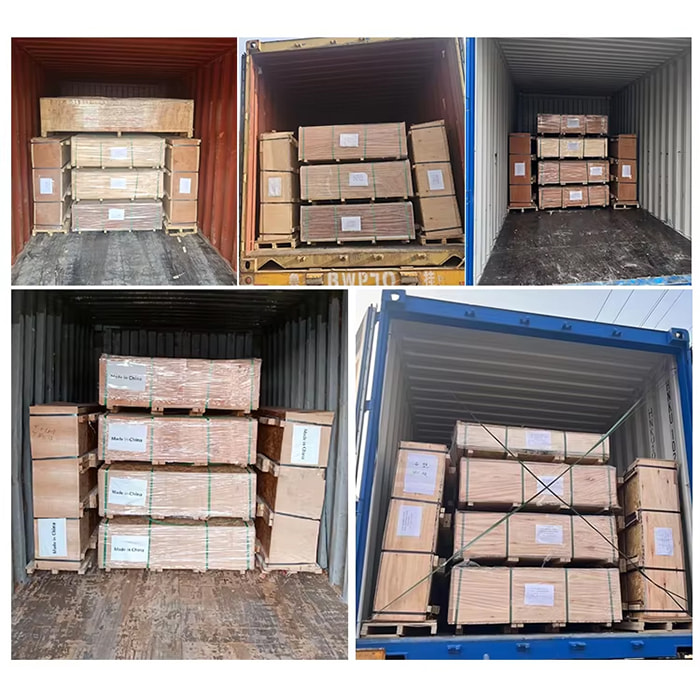 Waterproof SPC Wall Panel for Bathroom with Flame Retardant and UV CoatingThis SPC composite board resists high humidity and mould, with a sealed surface that stays clean. It meets B1 fire rating and low formaldehyde emission, making it a practical choice for bathroom walls facing constant steam.View Product →
For living rooms and bedrooms where condensation is the main factor, bamboo charcoal PVC wall panels offer the same moisture resistance with a smooth finish that does not trap dust or spores.
 Bamboo Charcoal PVC Wall Panel with UV Coating for Moisture ResistanceFeaturing bamboo charcoal and PVC, this panel offers moisture resistance with a smooth UV-cured finish that does not trap dust or spores. It's suitable for living rooms and bedrooms where condensation is a concern.View Product →
If you are not ready for a full wall reconstruction, self-adhesive PVC wall stickers can cover an existing painted wall with a waterproof layer after the mould is treated. Clean the mould and solve the moisture problem first, otherwise growth continues underneath.
 Self-Adhesive PVC Marble Wallpaper for Quick Wall CoveringThis removable PVC sticker covers existing painted walls with a waterproof layer after mould treatment. While it provides a quick aesthetic update, remember to solve the underlying moisture problem to prevent regrowth.View Product →
Frequently Asked Questions
Q1: What kills mould permanently on walls?
No cleaner can permanently prevent mould unless the moisture problem is solved. A fungicidal cleaner kills the existing growth, but if condensation or leaks continue, new spores will settle and grow. Keep the wall dry and reduce humidity below 60%.
Q2: Is bleach or vinegar better for removing mould?
Bleach is better on hard, non-porous surfaces like tile and concrete. Vinegar is safer for painted walls and light surface mould. On porous materials, bleach only removes the visible stain and does not reach the roots.
Q3: Can I paint over mould?
You can, but you should not. Standard paint does not contain enough fungicide to kill mould. Painting over active mould traps the growth behind the fresh layer and makes the problem worse.
Q4: Is black mould on walls dangerous?
Black mould can trigger allergy symptoms, breathing irritation, and asthma in sensitive people. It is not automatically toxic, but any persistent growth should be treated promptly. Consider professional removal for very large areas.
Q5: How do I stop condensation on my bedroom walls?
Open the window in the morning, reduce overnight moisture in the room, and keep the bedroom slightly warmer than the exterior wall. A dehumidifier set to around 50% relative humidity is the easiest solution.