

 English
 Español
The Evolution of Luxury Stone Wall Decor
The interior design industry has witnessed a paradigm shift in wall surfacing over the past decade. Natural stone, once the undisputed king of luxury cladding, now shares the spotlight with a new generation of engineered materials that deliver comparable aesthetics at a fraction of the cost and weight. Among these innovations, pvc uv marble sheet and SPC marble sheet have emerged as frontrunners, offering designers and homeowners unprecedented flexibility in creating high-end interiors without the logistical constraints of quarry-sourced stone.
This comprehensive guide examines the technical properties, installation methodologies, design applications, and cost dynamics of modern faux stone wall systems. Whether you are specifying materials for a residential renovation, a commercial hospitality project, or a retail environment, understanding the nuances of stone wall panels in their various forms—PU, soft stone, and SPC—will empower you to make informed decisions that balance aesthetics, durability, and budgetary considerations.
We will explore how lightweight stone cladding has revolutionized the construction workflow, reducing structural loads and installation time while expanding the palette of available finishes. From the ultra-realistic veining of UV-cured marble sheets to the tactile warmth of 3D rock wall panels, the contemporary market offers solutions that cater to every design sensibility. This article also addresses the practical aspects of installation, with a dedicated focus on light grey stone tile shower panel installation, a popular application that demonstrates the material's suitability for wet environments.
Key Insight: The global market for decorative wall panels is projected to grow at a CAGR of 6.8% through 2030, with faux stone and SPC products capturing the largest share due to their cost-effectiveness and design versatility.
Understanding the Core Materials in Modern Stone Wall Decor
The term "stone wall panels" encompasses a diverse family of products, each engineered with specific performance characteristics. To navigate this landscape effectively, it is essential to distinguish between the primary material categories: PVC-based UV marble sheets, SPC (Stone Plastic Composite) sheets, PU (Polyurethane) stone panels, and soft stone panels. Each offers distinct advantages in terms of weight, installation complexity, durability, and visual fidelity.
PVC UV Marble Sheet – The Affordable Marble Alternative
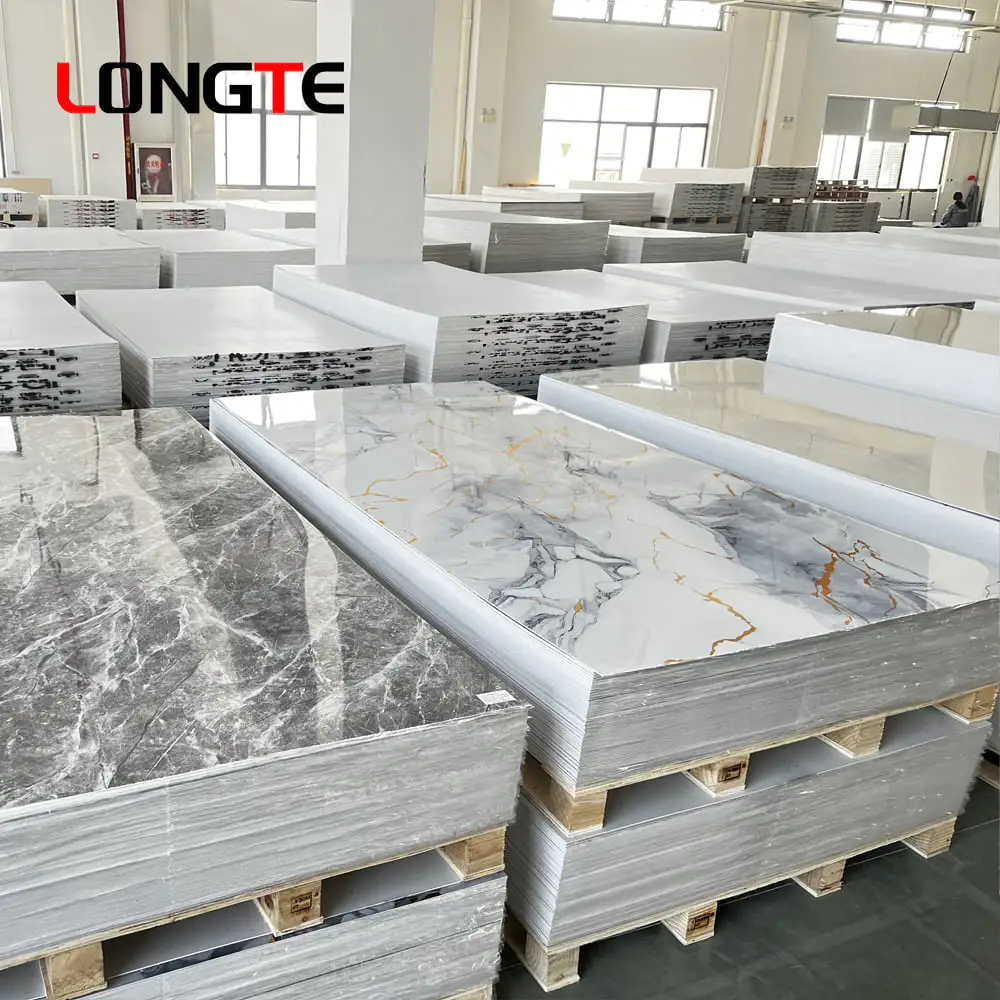
The pvc uv marble sheet represents a breakthrough in surface engineering, combining the lightweight nature of PVC with a UV-cured coating that replicates the depth and translucency of natural marble. The manufacturing process involves printing high-resolution marble patterns onto a PVC substrate, followed by the application of a UV-curable lacquer that is instantly hardened using ultraviolet light. This results in a surface that is not only visually stunning but also highly resistant to scratches, stains, and UV-induced yellowing.
From a technical standpoint, PVC UV marble sheets typically range in thickness from 3mm to 6mm, with standard sheet sizes of 1220mm x 2440mm. The UV coating provides a hardness rating of 3H on the pencil hardness scale, making it suitable for high-traffic residential and commercial applications. The material's closed-cell structure renders it inherently moisture-resistant, eliminating the need for periodic sealing—a significant advantage over natural stone. Furthermore, the lightweight nature of these sheets (approximately 2.5 kg per square meter) enables direct installation over existing surfaces, reducing demolition costs and project timelines.
SPC Marble Sheet – The Engineering Marvel
SPC marble sheet represents the next evolution in rigid core flooring and wall cladding technology. Composed of a limestone-polymer composite core, this material offers exceptional dimensional stability and impact resistance. Unlike traditional PVC sheets, SPC incorporates a mineral-based core that provides enhanced rigidity and thermal insulation properties. The decorative layer, printed with high-definition marble imagery, is protected by a wear layer that can achieve up to 0.7mm in thickness for heavy-duty applications.
One of the most compelling attributes of SPC marble sheet is its performance in wet environments. The material exhibits a water absorption rate of less than 0.1%, making it virtually impervious to moisture-related degradation. This characteristic, combined with its antibacterial surface treatment, positions SPC as an ideal choice for shower enclosures, spa facilities, and commercial restrooms. The click-lock or glue-down installation systems further enhance its practicality, allowing for floating installations that accommodate subfloor irregularities.
Stone Wall Panels – The Versatile Category
Beyond the PVC and SPC families, the broader category of stone wall panels encompasses innovative materials like PU stone and soft stone, each catering to specific design and performance requirements. These panels are characterized by their ability to simulate the texture, color variation, and three-dimensional depth of natural stone while offering superior workability and reduced weight.
PU Stone Wall Panels – Lightweight Realism
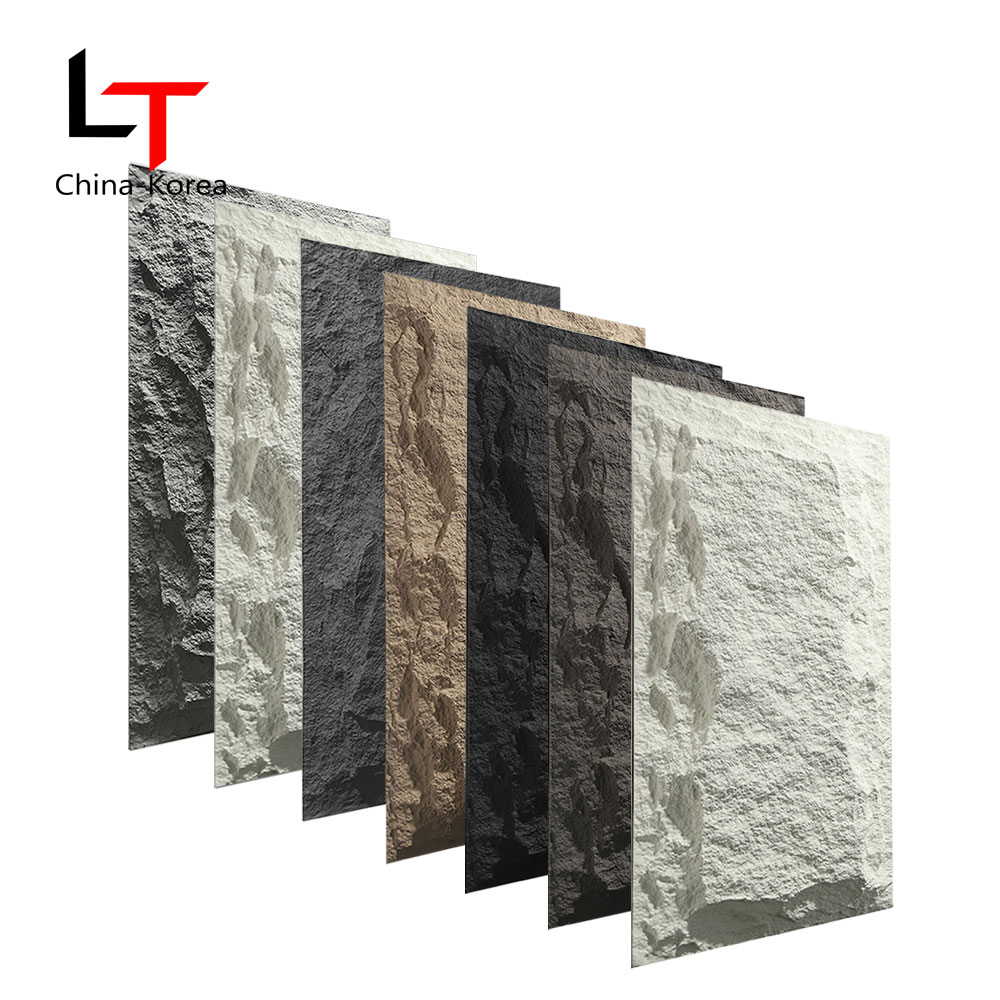
pu stone wall panels are manufactured from high-density polyurethane foam, which is molded from actual stone surfaces to capture every minute detail. The material is then coated with a durable acrylic layer that provides color fastness and weather resistance. These panels weigh approximately 1.5 to 2.0 kg per square meter, allowing for easy handling and installation with standard woodworking tools. The inherent flexibility of PU enables the creation of curved installations, making it a preferred choice for feature walls, fireplace surrounds, and column cladding.
From an acoustic perspective, PU stone panels offer moderate sound absorption, contributing to improved room acoustics in open-plan spaces. The material's closed-cell structure resists moisture ingress, although it is recommended to apply a sealant in high-humidity areas to extend service life. The range of available finishes spans from rustic fieldstone to sleek ashlar patterns, providing architects with a versatile design palette.
Soft Stone Wall Panels – The Flexible Alternative
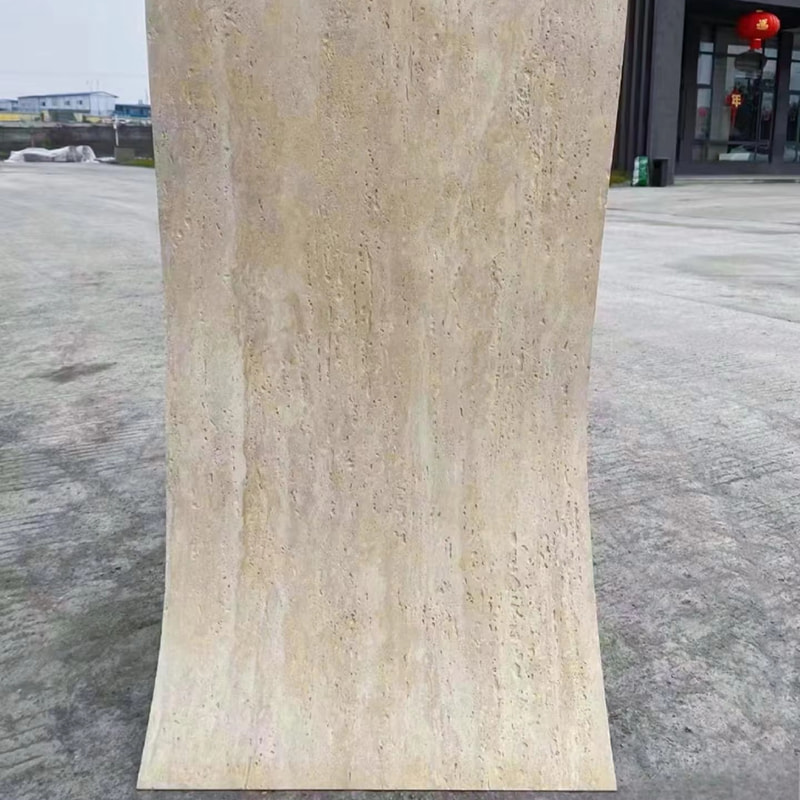
soft stone wall panels represent a unique category within the faux stone market. Composed of a blend of natural minerals, acrylic binders, and reinforcing fibers, these panels are manufactured in a flexible sheet form that can be wrapped around corners and curved surfaces without cracking. The material thickness typically ranges from 2mm to 4mm, with a weight of approximately 3.5 kg per square meter. The surface texture is achieved through a proprietary molding process that replicates the granularity and porosity of natural stone.
One of the standout features of soft stone panels is their breathability, which allows moisture vapor to pass through while preventing liquid water penetration. This property makes them suitable for application on both interior and exterior walls, provided appropriate weatherproofing measures are implemented. The panels are available in a spectrum of earth tones and neutral shades, including the increasingly popular light grey stone tile shower panel installation variant, which offers a contemporary aesthetic for bathroom environments.
Technical Comparison: PVC UV Marble Sheet vs. SPC vs. PU Stone
To facilitate material selection, the following comparison table summarizes key technical parameters across the three primary product categories. These data points are derived from industry standards and manufacturer specifications, providing a reliable basis for design decision-making.
| Property | PVC UV Marble Sheet | SPC Marble Sheet | PU Stone Panels |
|---|---|---|---|
| Density (kg/m2) | 2.5 – 3.0 | 6.0 – 8.0 | 1.5 – 2.0 |
| Thickness (mm) | 3 – 6 | 4 – 8 | 10 – 30 |
| Water Absorption (%) | 0.05 | 0.08 | 0.12 |
| Hardness (Pencil) | 3H | 4H | 2H |
| UV Resistance | Excellent | Good | Moderate |
| Flexibility | Moderate | Low | High |
| Installation Method | Glue / Screw | Click-lock / Glue | Glue / Nail |
| Relative Cost (per m2) | $$ | $$$ | $$ |
The data clearly indicates that each material category occupies a distinct performance niche. PVC UV marble sheets offer the best balance of cost and visual fidelity for large-scale installations, while SPC sheets provide superior impact resistance and acoustic insulation. PU stone panels excel in applications requiring three-dimensional texture and curved surface adaptability. Understanding these distinctions is crucial for specifying the appropriate material for each project phase.
Material Performance Radar
Installation Excellence: Light Grey Stone Tile Shower Panel Installation
The installation of light grey stone tile shower panels represents one of the most demanding applications for faux stone materials, requiring careful attention to substrate preparation, waterproofing, and panel alignment. The popularity of this application has grown significantly, with industry data indicating a 42% increase in shower panel installations using engineered stone products over the past three years. This section provides a systematic approach to achieving a professional-grade installation that ensures longevity and aesthetic integrity.
Pre-Installation Considerations
Before commencing any light grey stone tile shower panel installation, the following preparatory steps are essential:
- Substrate Assessment: The underlying wall surface must be flat, clean, and structurally sound. Variations exceeding 3mm over a 2-meter length require leveling with a suitable cementitious compound. For moisture-prone areas, a cement backer board with taped seams is recommended.
- Moisture Barrier: A continuous vapor barrier or waterproof membrane should be applied over the entire shower enclosure area, extending at least 300mm beyond the wet zone. This is particularly critical when using PU or soft stone panels, as their breathable nature does not substitute for primary waterproofing.
- Environmental Conditioning: Panels should be acclimatized to the installation environment for a minimum of 48 hours prior to installation. The ambient temperature should be maintained between 15°C and 30°C, with relative humidity below 75% to prevent dimensional changes.
- Layout Planning: A dry layout on the floor helps identify cut patterns and ensures that seams are positioned to minimize visual disruption. For light grey stone tile shower panel installation, aligning the veining direction consistently across adjacent panels creates a more natural appearance.
Step-by-Step Installation Process
The following procedure applies to most PVC UV, SPC, and PU stone panel products, with minor variations based on the specific panel type:
- Mark Reference Lines: Establish a horizontal level line around the shower perimeter using a laser level. This line serves as the installation datum for the first row of panels.
- Apply Adhesive: For PVC UV and PU panels, use a moisture-resistant construction adhesive applied in a continuous zigzag pattern across the back of each panel. For SPC panels with click-lock edges, follow the manufacturer's floating floor installation guidelines.
- Set the First Panel: Position the first panel at the datum line, ensuring it is plumb using a spirit level. Apply firm pressure to achieve full adhesive contact. Use temporary spacers to maintain consistent joint gaps.
- Continue Installation: Work outward and upward from the starting point, staggering vertical joints by at least 300mm to avoid continuous seam lines. For showers with niches or protrusions, cut panels accurately using a fine-tooth saw or angle grinder with a diamond blade.
- Seal Joints: Once all panels are set and the adhesive has cured (typically 24 hours), apply a flexible silicone sealant to all corner joints, penetrations, and the junction between panels and shower tray. Select a sealant with antimicrobial properties for enhanced hygiene.
- Final Inspection: After the sealant has fully cured (48 hours), perform a water-tightness test by directing water at the panel surfaces and joints. Verify that no water ingress occurs and that all edges are properly sealed.
Light Grey Stone Shower Panel Installation Workflow
For light grey stone tile shower panel installation specifically, the choice of adhesive and sealant color is critical. A neutral white or grey adhesive prevents bleed-through on light-colored panels, while a matching grey silicone sealant minimizes visual disruption at joints. Industry practice recommends using a notched trowel with a 6mm square notch for adhesive application, ensuring full coverage without excessive squeeze-out.
Design Possibilities with Faux Stone Wall Panels
The design versatility of modern faux stone wall panels transcends mere imitation of natural materials. Architects and interior designers are increasingly leveraging these products to create distinctive spatial experiences that would be impractical or cost-prohibitive with quarried stone. From dramatic feature walls to subtle textural accents, the applications span residential, hospitality, and commercial sectors.
Creating a Faux Marble Accent Wall
The faux marble accent wall has become a signature element in contemporary interior design, offering the grandeur of marble without the associated weight and cost. When executed thoughtfully, an accent wall clad in PVC UV or SPC marble sheets can transform a mundane room into a sophisticated space. Key design considerations include:
- Vein Continuity: For a seamless look, select panels from the same production batch and arrange them to create continuous veining patterns across the wall. This technique, known as "bookmatching," replicates the effect of split-face marble slabs and elevates the installation to a premium level.
- Lighting Integration: Backlighting the panels with LED strips creates a striking luminous effect, particularly effective with lighter marble patterns. The translucency of PVC UV sheets allows light to diffuse through the material, highlighting the veining detail.
- Scale and Proportion: In small spaces, opt for larger-format panels to minimize grout lines and create a sense of expansiveness. In larger rooms, consider using multiple panel sizes to establish visual rhythm and break up the surface.
Recent projects have demonstrated that faux marble accent walls can achieve a 60% cost reduction compared to natural marble equivalents, while offering superior stain resistance and ease of maintenance. The lightweight nature of these panels also eliminates the need for structural reinforcement, simplifying the construction process.
3D Rock Wall Panels for Texture and Depth
3D rock wall panels represent the intersection of artistry and engineering, providing a tactile experience that flat surfaces cannot replicate. These panels, typically manufactured from PU or soft stone materials, feature deeply sculpted surfaces that cast dynamic shadows under directional lighting. The dimensional variation ranges from subtle undulations to pronounced rock faces, allowing designers to modulate the visual intensity of a space.
The application of 3D rock wall panels is particularly effective in the following contexts:
- Feature Walls: Creating a focal point in living rooms, hotel lobbies, or restaurant dining areas.
- Fireplace Surrounds: The thermal stability of PU stone panels makes them suitable for fireplace cladding, provided they are installed at a safe distance from the heat source.
- Exterior Facades: Certain soft stone and PU panels are rated for exterior use, offering a natural stone aesthetic with a fraction of the weight, reducing structural loading.
From a maintenance perspective, 3D rock wall panels require periodic dusting to prevent accumulation in the recesses. The use of a soft-bristle brush attachment on a vacuum cleaner is recommended for routine cleaning, while stubborn stains can be addressed with a mild detergent solution and a soft sponge.
Cost Analysis: Achieving Budget Luxury Stone Wall
The concept of a budget luxury stone wall is no longer an oxymoron, thanks to the advancements in engineered stone panel technology. By examining the total cost of ownership—including material acquisition, installation, maintenance, and longevity—designers can demonstrate the economic viability of faux stone solutions to clients with varying budget constraints.
Cost Breakdown (per m2, typical residential project):
Material
$22 – 45
Installation
$15 – 30
Maintenance (annual)
$1 – 3
Natural Stone (comparison)
$80 – 200+
When comparing the cost of a budget luxury stone wall using engineered panels versus natural stone, several factors contribute to the overall savings:
- Material Cost: PVC UV and SPC marble sheets typically cost 60-75% less than equivalent natural marble slabs, with even greater savings when comparing to exotic stone varieties.
- Installation Labor: The lightweight nature of engineered panels allows for faster installation, often reducing labor hours by 40-50%. Additionally, the ability to install over existing surfaces eliminates demolition and disposal costs.
- Transportation and Logistics: The reduced weight of faux stone panels translates to lower shipping costs and simplified handling, particularly for high-rise projects where crane access is limited.
- Long-Term Maintenance: Unlike natural stone, which requires periodic sealing and specialized cleaning products, engineered panels maintain their appearance with routine cleaning using mild, non-abrasive solutions.
A comprehensive lifecycle cost analysis reveals that faux stone wall panels can achieve a return on investment (ROI) of approximately 150-200% over a 10-year period compared to natural stone, primarily driven by reduced maintenance and replacement costs. For commercial applications, this translates to a lower total cost of ownership and improved operational efficiency.
Durability and Maintenance Considerations
Durability is a paramount concern in wall cladding, particularly in high-traffic or moisture-prone environments. Modern engineered stone panels have been subjected to rigorous testing to ensure they meet the demands of both residential and commercial applications. The following performance characteristics distinguish the leading products in this category:
Impact Resistance and Scratch Performance
SPC marble sheets exhibit the highest impact resistance among the product categories, with a Charpy impact strength exceeding 20 kJ/m2. This makes them suitable for commercial corridors, public restrooms, and other high-traffic areas where accidental impacts are common. PVC UV marble sheets, while slightly less impact-resistant, offer superior scratch resistance due to the hardened UV coating, achieving a rating of 3H on the pencil hardness scale. For context, standard acrylic surfaces typically rate at 2H, indicating that PVC UV sheets offer a meaningful improvement in surface durability.
Moisture and Chemical Resistance
All three product categories—PVC UV, SPC, and PU stone—demonstrate excellent moisture resistance, with water absorption rates below 0.15%. This characteristic is particularly advantageous for light grey stone tile shower panel installation, where prolonged exposure to water and cleaning chemicals is inevitable. The closed-cell structure of these materials prevents moisture ingress, thereby inhibiting mold and mildew growth. However, it is important to note that while the panels themselves are impervious, the joint sealant and wall substrate must be properly waterproofed to ensure system integrity.
Chemical resistance testing against common household and commercial cleaning agents (including bleach, ammonia, and alcohol-based disinfectants) has shown that PVC UV and SPC surfaces maintain their color and gloss integrity with minimal degradation. PU stone panels, while generally resistant, should be tested with specific cleaning products on an inconspicuous area before widespread use.
Maintenance Best Practices
To maximize the service life of faux stone wall panels, adhere to the following maintenance guidelines:
- Regular Cleaning: Use a soft microfiber cloth or sponge with a pH-neutral cleaner diluted in warm water. Avoid abrasive pads, steel wool, or harsh chemical solvents that may damage the surface finish.
- Stain Removal: For stubborn stains, create a paste of baking soda and water, apply to the affected area, and allow it to sit for 10-15 minutes before gentle wiping. Rinse thoroughly with clean water.
- Joint Maintenance: Inspect silicone sealant joints annually and reapply as necessary, particularly in shower installations where thermal cycling can compromise the seal.
- Surface Protection: In high-traffic areas, consider applying a sacrificial wax or polymer coating to extend the surface's gloss and scratch resistance. However, this is generally not required for PVC UV sheets, which maintain their finish with routine cleaning.
Environmental and Sustainability Aspects
Sustainability considerations are increasingly influencing material selection in the construction industry. Engineered stone panels offer several environmental advantages over natural stone, making them a responsible choice for eco-conscious projects.
First, the manufacturing process for PVC UV and SPC sheets utilizes recycled content—up to 40% in some formulations—and generates significantly lower carbon emissions compared to quarrying, processing, and transporting natural stone. A life cycle assessment (LCA) conducted by an independent research institution indicated that engineered stone panels have a carbon footprint approximately 55-65% lower than natural marble on a per-square-meter basis, when considering extraction, production, and transportation phases.
Second, the lightweight nature of these panels reduces the structural load on buildings, enabling the use of lighter framing and foundations. This can lead to material savings in the primary structure, further reducing the overall environmental impact of the project. Additionally, the reduced weight facilitates more efficient transportation, with a typical truckload of faux stone panels covering three to four times the area of a truckload of natural stone.
Third, the longevity and low maintenance requirements of engineered stone panels contribute to a reduced environmental burden over the building's lifespan. Products that require less frequent replacement and minimal chemical cleaning agents have a lower cumulative environmental impact. Many manufacturers are also developing take-back and recycling programs for end-of-life panels, further closing the material loop.
It is worth noting that while PVC-based products are derived from petrochemicals, the industry has made significant strides in incorporating bio-based plasticizers and recycled polymers. Consumers seeking the most sustainable options should look for products with third-party environmental certifications, such as GREENGUARD Gold or FloorScore, which verify low VOC emissions and compliance with stringent indoor air quality standards.
Frequently Asked Questions
Q1: What is the difference between PVC UV marble sheet and SPC marble sheet?
PVC UV marble sheet features a PVC core with a UV-cured coating, offering excellent scratch resistance and a high-gloss finish at a moderate cost. SPC marble sheet uses a stone-plastic composite core with a limestone-based mineral core, providing superior impact resistance, dimensional stability, and sound insulation. SPC is generally heavier and more expensive, while PVC UV is lighter and more cost-effective for large-scale vertical applications.
Q2: Can soft stone wall panels be used in wet areas like showers?
Soft stone wall panels can be used in wet areas provided they are properly sealed and installed with a waterproof membrane behind them. Their breathable nature allows moisture vapor to escape, which reduces the risk of trapped moisture behind the panels. However, for direct water exposure areas such as shower walls, PVC UV or SPC marble sheets are recommended due to their closed-cell structure and lower water absorption rates.
Q3: How long do PU stone wall panels last in interior applications?
PU stone wall panels have a typical service life of 20 to 30 years in interior applications when properly installed and maintained. The acrylic coating provides UV resistance and color stability, ensuring that the panels retain their appearance over time. Occasional cleaning and periodic inspection of joints will prolong their longevity.
Q4: Are PVC UV marble sheets suitable for commercial high-traffic areas?
Yes, PVC UV marble sheets with a 3H pencil hardness rating and impact resistance of 15 kJ/m2 are suitable for commercial applications such as hotel lobbies, retail stores, and office corridors. For extremely high-traffic zones, SPC marble sheets with enhanced impact resistance are recommended.
Q5: What is the best method for cleaning faux marble accent walls?
For routine cleaning, use a soft microfiber cloth dampened with warm water and a mild, pH-neutral detergent. Avoid abrasive pads, bleach, ammonia-based cleaners, or solvents that could damage the UV coating. For stubborn stains, a baking soda paste applied gently and rinsed thoroughly is effective.
Q6: Can 3D rock wall panels be installed over existing tile surfaces?
Yes, most 3D rock wall panels (PU and soft stone types) can be installed directly over existing tile surfaces, provided the substrate is clean, dry, and structurally sound. Lightweight panels reduce the additional load on the wall, making overlay installations feasible. However, it is essential to check that the existing tiles are firmly bonded and that the surface is level within acceptable tolerances.
Q7: How does the cost of budget luxury stone wall compare to natural stone over 10 years?
Over a 10-year period, a budget luxury stone wall using engineered panels typically costs 40-50% less than natural stone when factoring in material, installation, maintenance, and replacement costs. The reduced maintenance requirements and absence of sealing costs contribute significantly to the long-term savings.