

 English
 Español
The bathroom wall is the most demanding vertical surface in a building. It sees steam, soap scum, daily water exposure, and constant temperature change. Traditional ceramic tiles have served this role for decades, but the grout lines between them remain a persistent weak point: they absorb moisture, trap dirt, and eventually become a breeding ground for mold. When you factor in the cost of demolition, tile adhesive, labor, and a multi-day curing period, tile is rarely the fastest or most economical route to a durable finish. That is why wall panels and other composite cladding options have moved from niche products to mainstream alternatives. For residential renovations, hotel bathrooms, and high-traffic commercial wet zones, PVC and SPC wall panels offer a continuous, waterproof, easy-to-clean surface that can be installed in significantly less time.
Why Bathroom Tile Alternatives Are Gaining Traction
For most wet-area renovation projects, labor and downtime are the largest cost drivers, not the cladding material itself. A tile wall requires a flat substrate, waterproof membrane, tile adhesive, tile spacers, grout, and a cure time of at least 24 hours before the surface can be used. A panel wall, by contrast, is a single-layer surface applied over a prepared base. There is no grout to maintain, no joint to cleanse, and no multiple-day wait before the shower is back in service.
| Approach | Traditional tile wall | Composite wall panel |
|---|---|---|
| Installation time | 5–7 days for a standard bathroom | 2–3 days for the same space |
| Surface continuity | Multiple grout lines | Largely continuous surface |
| Water resistance | Depends on membrane and grout | Panel itself is waterproof; edges sealed with silicone |
| Maintenance | Grout cleaning and periodic re-sealing | Wipe down; no grout maintenance |
| Typical use | Classic residential spaces | Hotels, gyms, hospitals, residential wet rooms |
The time saving matters especially when the bathroom is part of a larger renovation. For residential owners, a shorter wet-area downtime reduces the amount of time they need to arrange temporary accommodation. For hotel operators, it is directly connected to room revenue.
Material Options: PVC, SPC, and WPC Wall Panels Compared
The three material families most often selected as tile alternatives are PVC, SPC, and WPC. Each has different mechanical and moisture behaviour, so the right choice depends on the project's priorities. PVC wall panels are the most cost-efficient: lightweight, waterproof, and quick to cut. They hold up well in commercial interiors but can feel flexible and are generally glued to the substrate. SPC wall panels use a rigid stone-plastic core, which gives them greater impact resistance, higher density, and a more stable surface in large formats. Many SPC panels for bathrooms also carry a fire-retardant B1 rating and a UV coating. WPC wall panels incorporate wood fiber, which adds a warmer visual texture and good acoustic performance. They are commonly chosen for master bathrooms, gym showers, and spaces where a wood-like finish is desired.
For a bathroom, the most important selection criteria are total water exposure, frequency of cleaning, and the expected speed of installation. A rigid SPC panel with a lock-joint profile is often the easiest to justify on paper: it is dimensionally stable, can be installed with fewer adhesive levels, and its surface accepts a high-quality UV coating. If you are evaluating wholesale options, pay close attention to the panel thickness tolerance. A tolerance of plus or minus 0.3 mm is acceptable; anything wider can create visible unevenness at the joint. The SPC bathroom wall panels we manufacture in our factory incorporate a rigid core and a waterproof, flame-retardant surface that tolerates daily shower moisture and regular cleaning.
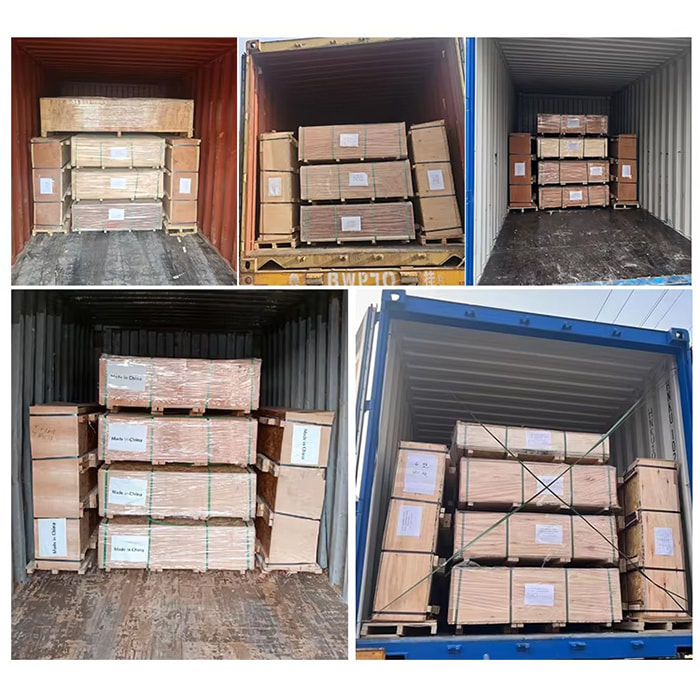 1220mm×2440mm SPC Wall Panel with UV Coating for Bathroom WallsThis rigid SPC panel offers a waterproof, flame-retardant surface with UV coating, making it easy to clean. With tight thickness tolerance and B1 fire rating, it suits high-moisture areas like commercial shower rooms.View Product →
| Property | PVC panel | SPC panel | WPC panel |
|---|---|---|---|
| Waterproof | Yes, with sealed joints | Yes, with sealed joints | Water-resistant, sealed joints |
| Fire rating | B1 available | B1 common | B1 available |
| Installation | Glue or clips | Click-lock or glue | Glue or clips |
| Surface hardness | Medium | High | Medium-high |
| Best fit | Budget wet areas | Hotel bathrooms and commercial showers | Master bathrooms, gyms, acoustic spaces |
The difference in surface hardness also explains why SPC panels are increasingly specified in commercial shower rooms, where cleaning carts and equipment are moved daily.
Real-World Performance: Waterproofing, Fire Resistance, and Hygiene
Water resistance is the first thing clients ask about, but the answer depends on more than the material itself. A panel is not a sealed box; the edges, corners, and plumbing cut-outs need to be finished with silicone sealant to prevent moisture from reaching the substrate. This is a detail that must not be overlooked during installation. A well-sealed panel surface is continuous, so there are fewer places for mold and bacteria to settle compared with a tiled wall. For a bathroom with a separate wet zone and dry zone, PVC panels may be sufficient in the dry area, while SPC panels are better placed in the shower. This zoning approach lets you balance cost and performance.
Fire safety is another purchasing criterion. In many countries, commercial bathrooms require a fire-retardant substrate. B1 is the common grade in the Chinese GB 8624 standard, and it is widely used for hotels, sports facilities, and public buildings. If your project has a stricter requirement, request the fire test report from the supplier before ordering.
On hygiene, a UV-coated layer makes the surface easier to clean because soil, soap residue, and mineral deposits do not bond strongly to the coating. This is especially relevant for hotels and hospitals where cleaning frequency is high and chemicals are used daily. Because of that, our bamboo charcoal carbon crystal panels are often specified in hotel bathrooms and commercial wet zones where both fire resistance and cleanability are required.
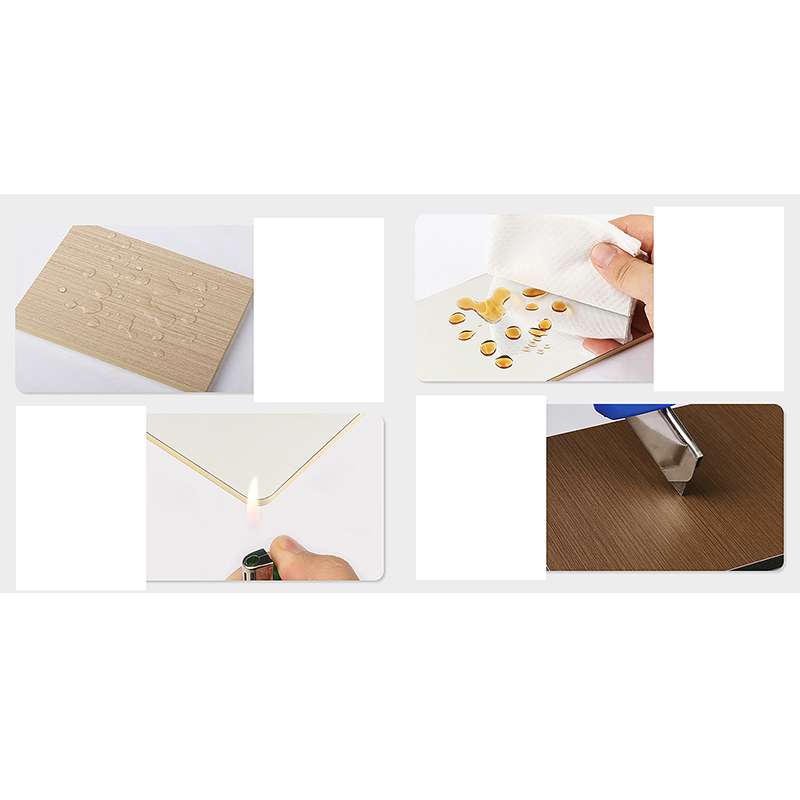 Lightweight PVC Carbon Crystal Sheet for Hotel Bathroom WallsThis B1 fire-rated, scratch-resistant panel features a multi-layer co-extruded structure with bamboo charcoal. Its UV-coated surface resists soap residue, making it ideal for hotel and commercial wet zones requiring frequent cleaning.View Product →
Installation and Maintenance: What Project Owners Should Plan For
Installation planning determines how much benefit a panel system actually delivers. The substrate needs to be flat and sound. If the existing wall is old tile, it can remain in place as long as the bond is strong and the surface is level. The panel is cut with a circular saw or hand saw, and then adhered with either a panel adhesive or a stainless-steel clamp system depending on the product and wall condition. Panels should also be given an expansion gap of about 2-3 mm from the floor and ceiling to accommodate any movement, then covered by trims or silicone.
Maintenance is simple: warm water with a mild detergent and a soft cloth or sponge is usually enough. Acidic or abrasive cleaners should be avoided because they can degrade the urethane or UV coating over time. Annual inspection of the silicone joints in the shower area is a sensible, low-cost habit that extends the life of the entire wall system.
Sourcing Considerations for Wholesale Buyers and Contractors
When you are choosing a supplier, the questions should move beyond "does the product look good" to include consistency and reliability. How many factories does the supplier operate? What is the output capacity for a given product line? Can they match color across different production batches? What is the thickness tolerance, and will they provide a sample box for approval before mass production? These practical points decide how much rework you will have on site.
For a long-term bathroom project, the ideal partner is a manufacturer with both scale and product diversity. A supplier who produces PVC, SPC, WPC, and even membrane materials in the same group is better positioned to talk about every layer of the wall system: the substrate, the decorative film, and the coating. This is especially useful if you are planning a large renovation and need to align delivery schedules. To understand how the two most common choices differ, read this guide on PVC and SPC wall panels in a bathroom upgrade. If your current specification starts from a tile approach, this comparison of tiles versus integrated wall panels gives a practical overview of where each option wins.
FAQ: Bathroom Tile Alternatives
Q1: Can composite wall panels be used in a walk-in shower?
Yes. A rigid-core SPC panel or a PVC wall panel can be used in a shower enclosure if the edges are sealed with silicone. The panel itself is waterproof, but the installation must not leave unsealed gaps around pipes, corners, or the top edge.
Q2: Are wall panels cheaper than tiles?
On a pure material cost, panels can be comparable or slightly above ceramic tiles. However, because installation is faster and no grout maintenance is needed, the total project cost is often lower, especially if the existing tile surface can remain in place.
Q3: How long will bathroom panels last before they need replacement?
In a residential bathroom, a quality panel with a good UV coating and sealed joints can perform for 15-20 years or more. The weakest point is usually the silicone, not the panel itself.
Q4: Can panels be installed directly over existing ceramic tiles?
Yes, if the tile is firmly bonded and the surface is level. Old tile can stay, which saves on demolition cost and disposal fees.
Bathroom walls have moved beyond the tile and grout convention. For projects that prioritize speed of installation, low maintenance, and long-term wet-area performance, composite wall panels offer a different and increasingly reliable route. The final decision comes down to the quality of the substrate, the standard of the sealant, and the specifications of the panel you choose. If you are a contractor, developer, or wholesale buyer evaluating options, the next step is simple: request a physical sample from the factory, compare thickness tolerance and coating quality, and then build your specification around the product that performs. That is the fastest way to get from a tile alternative idea to a finished bathroom that stays clean for years.