

 English
 Español
Imagine a renovation scenario where the paintwork is old, the wallpaper has been peeled off, and the surface underneath shows a rough orange-peel texture that catches light from every angle. A plasterer will level it quickly, but the process brings water, dust, and a week of drying into your home. The good news is that plastering is not the only route. You can achieve a flat, paint-ready surface with three alternatives: skim coating, lining paper, and wall panels. The right choice depends on how uneven the wall is, whether the room is damp, and how much time you want to spend.
Key takeaway: A flat wall is possible without plaster. Skim coating gives the finest finish, lining paper costs the least, and wall panels are the fastest and the only option that skips dust and drying entirely.
Skim Coating: The Closest Alternative to Plaster
Conclusion first: If you want a genuinely smooth, paint-ready surface and you are prepared to spend two days on a single room, skim coating is the closest DIY alternative to plaster. It works by building up thin layers of joint compound that fill the texture and bring the wall to a uniform level.
The technique is not complicated, but it tests your patience. You mix joint compound with a little water until it looks like thick cream, roll it onto the wall, then pull a wide blade across it in long, even sweeps. The first coat covers the texture, not the imperfections. A second and third coat fill the remaining dips. Each coat needs four to eight hours of drying time before the next one goes on, and the final step involves sanding with 240-grit paper.
What you need
- 30 cm or wider dry lining blade
- Paint roller and tray
- Joint compound in powder or ready-mixed form
- 240-grit sanding paper and a dust mask
- Clean water for mixing and washing tools
Step-by-step approach
- Clean the wall and reset nails that have worked loose. Cover the floor and remove or tape off electrical outlets.
- Mix the joint compound with clean water to a creamy, non-drip consistency.
- Roll a thin coat across the wall, then immediately pull the blade over it. Leave the first coat to dry.
- Apply a second coat at right angles to the first, then a third coat if the texture still shows.
- Sand with 240-grit paper once the final coat is fully dry, then wipe away all dust before painting.
Working with wet compound, heavy dust from sanding, and the risk of visible edge lines are the main drawbacks. Keep the compound on the thin side rather than building thick blobs, because a thick layer takes far longer to dry and can crack or shrink as it sets.
Lining Paper: A Budget-Friendly Cover-Up
Conclusion first: For a quick, low-cost improvement to a wall with light texture, lining paper is a legitimate method and much cleaner than skim coating. It hides the existing surface behind a layer of strong paper, which then receives the final paint.
The paper goes on with a standard wallpaper adhesive. You cut it to length, smooth it with a soft squeegee to remove trapped air, and allow it to dry before painting. The key is to use a heavy-duty lining paper: a 1200 grade or thicker will cover small imperfections instead of showing them through.
The limits are obvious. Lining paper only hides shallow texture. It will not smooth deep dents, and in a steamy bathroom it can lift or bloom over time. It also depends on an even paste job, otherwise the seams become visible under raking light. For a dry bedroom or hallway, it is an honest, low-dust option at a very low price.
Wall Panels: Fast, Clean, and Decorative
Conclusion first: The most streamlined way to smooth a wall without plastering is to cover it with PVC or WPC wall panels. Instead of spending days applying and sanding compound, you install a large-format panel that hides the old wall behind a new flat surface.
A 1220 x 2440mm or 1220 x 2800mm panel is noticeably flatter than most old plaster walls. Because the panel sits in front of the original wall, the wall's texture no longer matters. Slight unevenness is absorbed by the adhesive bed and the panel's own rigidity. This means no drying time, no dust, and no extra decoration layer. The panel leaves the factory with a finished surface that already includes the colour and the texture you want on the wall.
Installation uses tongue-and-groove or lock-in joints with polyurethane adhesive, and it can go over tiles, old paint, or firmly attached wallpaper. A full room can be finished in one day by a two-person team, and the result is a clean wall that can be wiped down with a damp cloth. An eco-friendly PVC wood veneer wall panel is a popular choice for living rooms and bedrooms because it brings both a smooth surface and a natural-looking wood grain.
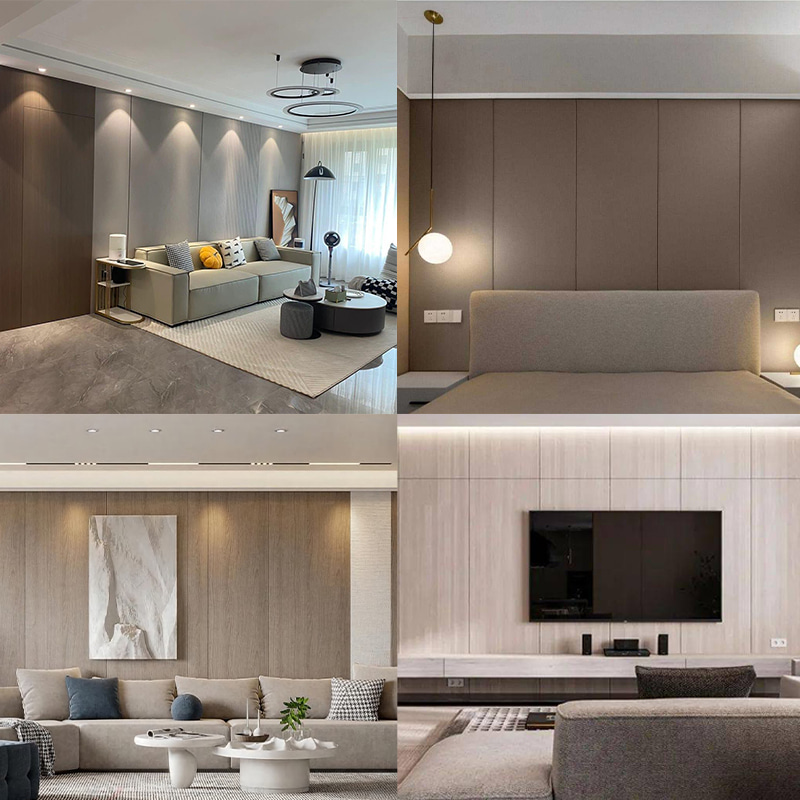 Eco-Friendly PVC Wood Veneer Wall Panels for Indoor CladdingThese 1220×2440mm panels offer a realistic wood grain surface with waterproof and scratch-resistant properties, making them a suitable choice for living rooms and bedrooms where both durability and natural aesthetics are desired.View Product →
A detailed step-by-step guide to installing PVC wall panels will help you plan a trouble-free project, especially when you are working around sockets, door frames, or existing coving.
Method Comparison for Practical Decisions
Here is how the three routes stack up when you consider time, skill, mess, durability, and suitability. The table is a snapshot for an average 10-square-metre wall, and the numbers assume normal indoor conditions.
| Method | Time Needed | Skill Level | Dust and Mess | Expected Life | Best For |
|---|---|---|---|---|---|
| Skim coating | 2 days with drying | Medium to high | Heavy | 10 to 15 years | Strongly textured walls |
| Lining paper | 1 day | Low | Light | 5 to 8 years | Minor roughness, tight budget |
| Wall panels | 1 day | Low to moderate | Very low | 15 to 30 years | Damp rooms, fast renovations |
Matching the Method to Your Room
Rooms play a large part in the decision. A living room with no moisture issues and a moderate budget is well served by lining paper or skim coating. A bathroom or kitchen needs a waterproof, easy-to-clean surface, which makes wall panels the smarter choice. For commercial and high-traffic spaces, fire safety and scratch resistance jump to the top of the list.
In a wet room, an SPC bathroom wall panel is engineered to stay dry under humid conditions. It is a rigid board with a decorative UV layer, so it resists water, stains, and scratches without needing a protective paint coat.
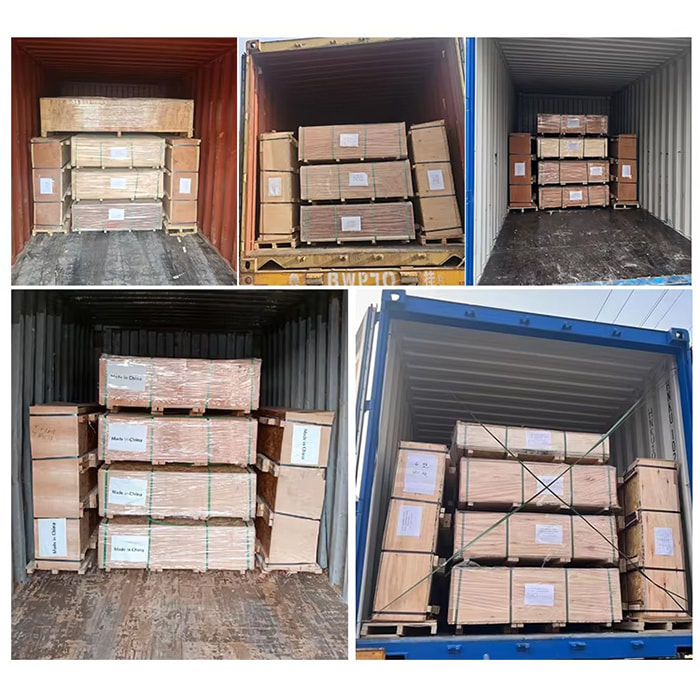 SPC Waterproof Bathroom Wall Panels with UV Decorative FinishDesigned for wet areas, these rigid SPC panels combine moisture resistance, flame retardancy, and a UV-coated finish, providing a hygienic, low-maintenance surface that withstands humidity without extra painting.View Product →
For a hotel corridor, gym, or office wall with people moving through it daily, a B1 fireproof bamboo charcoal PVC wall panel is a practical selection. It has a hard, antiscratch surface and a fire rating that can satisfy stricter interior requirements.
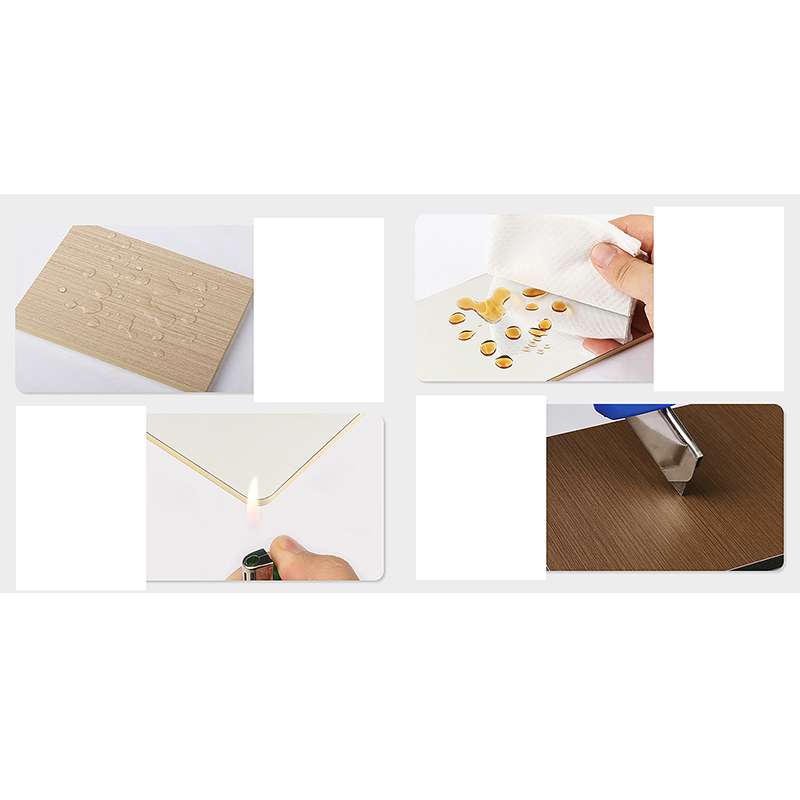 Lightweight PVC Carbon Crystal Sheets for Commercial WallsWith B1 fireproof rating and high-density construction, these carbon crystal panels are durable and easy to clean, fitting busy environments like hotel corridors or gyms while offering a modern, seamless appearance.View Product →
The aesthetic difference is mostly about the surface: a wood-look panel gives warmth, while a stone or solid colour panel gives a cleaner, more modern feel. Choose the style that already fits your interior, and the installation time stays the same.
FAQ
Q1. Can I get a completely flat wall without plastering?
Yes, for most decorative surfaces. Small cracks, texture, and old paper can be covered. Deep structural damage should be repaired first, but the surface finish can be achieved with compound, lining paper, or panels.
Q2. Can PVC wall panels go over old tiles or wallpaper?
Yes. Tiles provide a solid backing. Wallpaper should be tight and firmly bonded; if any edge is peeling, remove it first. The panel system uses adhesive and mechanical joints, so it does not depend on the old surface being perfectly smooth.
Q3. What is the best method for a bathroom?
SPC wall panels are the most reliable in a bathroom. They are waterproof, mould-resistant, and do not need painting. Skim coating and lining paper are more vulnerable to humid conditions and should be avoided in a shower area unless you add a precise moisture barrier.
Q4. Do I need to paint after installing wall panels?
No. Panels leave the factory with a finished surface. The colour and grain are integrated, not painted on site. You only need occasional cleaning to keep them looking new.
Final Verdict
The right method is the one that matches your wall and your tolerance for mess. If you enjoy detail work and have time, skim coating gives the closest plaster-like finish. If the wall is only mildly textured and you want to save money, lining paper works in a day. If you want a smooth finish in one dry day with no sanding, wall panels are the most efficient route, especially in wet rooms and commercial spaces.
Choose the system that fits the room, then let the installation process do the work. With a clear plan and the right materials, smooth walls are within reach even when plastering is not on the schedule.