

 English
 Español
Imagine you are sitting on your patio with a cup of coffee, and you clearly see the neighbor at the next fence. One decorative garden screen can change that in a single afternoon. It blocks the unwanted sightline without turning your garden into a closed box. The best part is that a screen can improve the look of your yard while also hiding bins, utilities, or an old storage area. This guide explains what you should know before you buy, install, or replace a garden screen.
Why Decorative Garden Screens Are a Smart Privacy Solution
A solid fence blocks everything: sunlight, air, and the feeling of openness. A decorative garden screen filters the view while letting breeze and light through. It is a more gentle solution for patios, balconies, shared boundaries, and outdoor dining areas.
People often use screens for practical jobs such as hiding an air-conditioning unit, a compost bin, or a parking area. At the same time, the screen becomes a visual anchor for climbing plants, outdoor lighting, or a simple mirror effect in a dark corner. The smart choice is to look for a co-extruded WPC decorative fence screen if you want a wood-look finish that resists rot, insects, and UV fading.
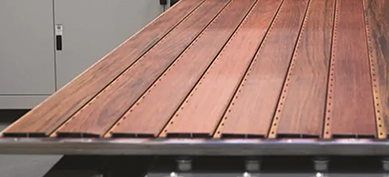
 Co-extrusion Decorative Fence Screen Weather-resistant Wpc Composite Privacy Garden Fence Wood plastic composite material (WPC), the main components include wood fiber, high-density polyethylene (HDPE), etc.View Product →
The goal is not to hide your garden. The goal is to control sightlines and create a comfortable room outdoors.
Comparing Common Materials for Decorative Garden Screens
The material determines how long the screen will last, how often you need to maintain it, and how much privacy it delivers. Here is a practical comparison.
| Material | Privacy Level | Durability | Maintenance | Typical Lifespan |
|---|---|---|---|---|
| WPC composite | Medium to high | High | Low | 10-20 years |
| Aluminum | Medium | High | Low | 15-25 years |
| Timber | Medium | Medium | Medium to high | 5-10 years |
| Bamboo | High | Medium | Medium to high | 3-8 years |
WPC has gained popularity because it combines the warm appearance of wood with the stability of plastic-based materials. Compared with timber, it does not need annual oiling and it resists termites and moisture better. Aluminum offers clean lines but has a higher upfront cost. Timber has a natural texture that many homeowners love, yet it requires regular sealing to prevent splitting and graying. Bamboo is renewable and cheap, but it breaks down quickly in wet or humid climates. For year-round outdoor use, WPC is the most balanced option for most buyers.
Privacy is not the only factor. Noise control matters if your screen faces a busy street. A slatted WPC panel will not block very much noise, while a solid composite panel with a foam core can soften some sound. If you need both privacy and noise reduction, look for panels with a dense surface and a hidden acoustic layer.
10-20 yrs
WPC lifespan
Low
Maintenance
Ready
DIY installation
What to Check Before You Buy
Every product photo looks good, but a garden screen must survive wind, rain, UV, and temperature swings. Run this five-point check before placing an order.
- Panel dimensions. Common heights are 1.2 m, 1.5 m, and 1.8 m. Choose a height that matches your privacy need and your local planning rules.
- Privacy percentage or gap size. A screen with more than 60% open surface gives less privacy. Gaps of 30-50 mm give good privacy while keeping air flow.
- Weather resistance. Look for UV stabilizer, impact resistance, and water-shedding design for year-round performance.
- Mounting system. Check whether the screen comes with posts, brackets, or a rail system. A missing part can delay installation.
- Warranty and spare parts. A manufacturer that offers spare strips or caps helps you fix minor damage later.
One common buying mistake is size tolerance. Actual product width can vary by 2-5 mm from the catalog. When you arrange 10 panels in a row, the accumulated difference becomes visible. Buy from a supplier who states production tolerances clearly.
Color consistency is another thing to verify. PCV and WPC panels are produced in batches. Two orders placed months apart can differ by a small shade step, especially with wood-grain finishes. If you need a perfect match, order all panels in one order and ask the factory to keep a sample cut.
Installation Methods for Garden Screening Panels
The mounting method decides how solid the screen will feel and whether it can be removed easily later. Three methods are common.
- Posts with concrete footings. The strongest option. It works for freestanding screens along a boundary or on a lawn.
- Direct-to-wall mounting. The screen is fixed to an existing masonry fence or house wall using brackets. This is faster but limited to the wall surface.
- Clamp or bracket system. Panels slot into custom channels or rails. This works well for terrace and balcony screens.
With WPC panels, installation is usually simpler than with timber because the material resists splitting when screws go through pre-drilled edges. Measure the ground gradient first. An uneven base is the main reason a garden screen ends up crooked. If your ground is sloped, use adjustable base plates or sink the posts deeper.
A good installation also needs correct tools. You should have a spirit level, drill, stainless screws, and a rubber mallet before you start. Stainless screws are important because many garden screens are exposed to damp air and direct rain. For exterior projects, water-resistant outdoor WPC fluted wall panels are also used in bathroom facades and garden partitions because their closed surface prevents moisture from entering the board. To see how outdoor WPC panels behave in real projects, read this guide on weather-resistant outdoor WPC wall panels.
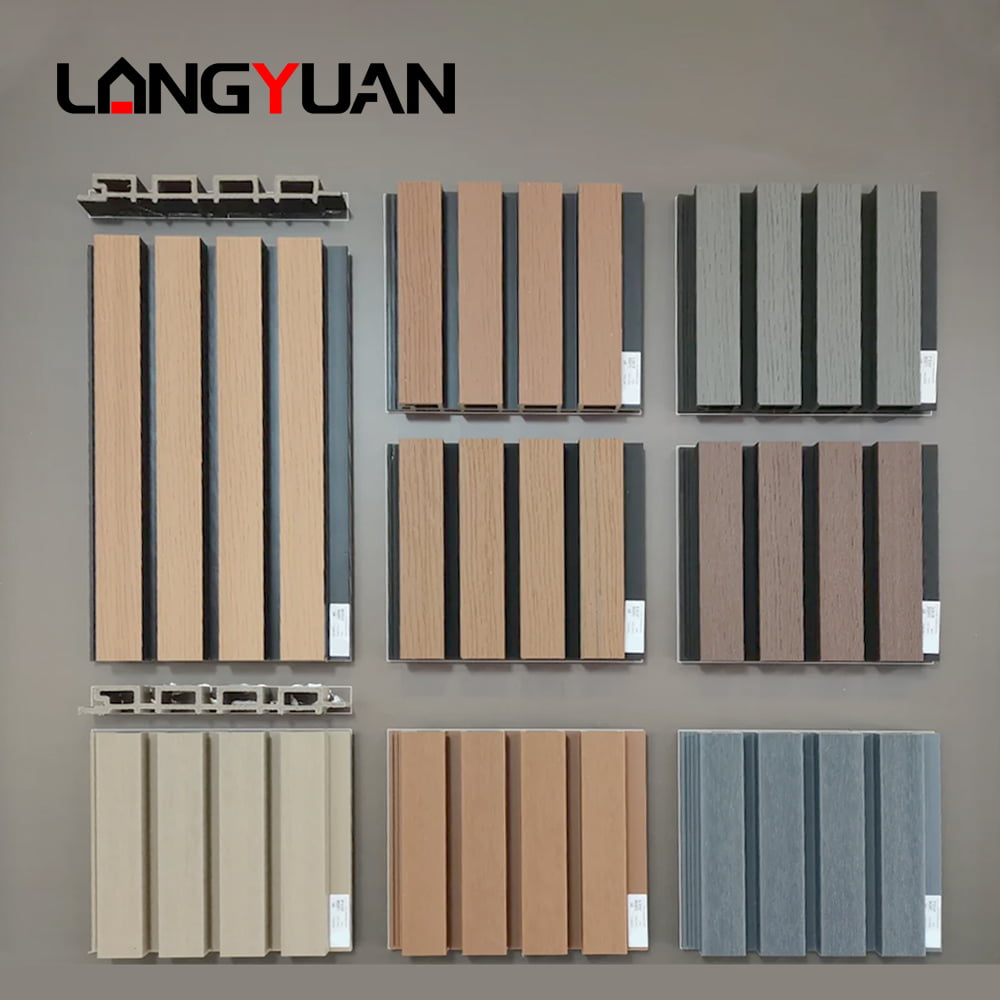 Water Resistant PVC WPC Fluted Wall Panel with Anti-Slip Brushed Grille Exterior Slat WallMaterial: Wood Plastic Composite Material (WPC)View Product →
Design Ideas for Different Garden Layouts
A good screen should fit the shape and mood of your garden. Here are four practical layout ideas.
- Narrow courtyard. Use vertical slats or fluted panels. The vertical lines add a sense of depth and make the space feel taller.
- Terrace division. A low screen at 1.2 m can separate a dining area from a grill zone without turning the terrace into a maze.
- Plants and screen together. Leave a 15 cm gap behind the screen for climbing plants. This improves the privacy effect and creates a green, living wall.
- Modern grille with lighting. Recessed LED strips can be placed on top of the screen to create a framed glow after dark. This works especially well for bar and lounge gardens.
For garden and courtyard boundaries, wood plastic composite garden courtyard fence panels are a solid choice because the HDPE core keeps the panel stable in hot summers. Long-term owners often ask about cleaning and lifespan; this guide on durable outdoor WPC wall panels answers the same practical questions in more detail.
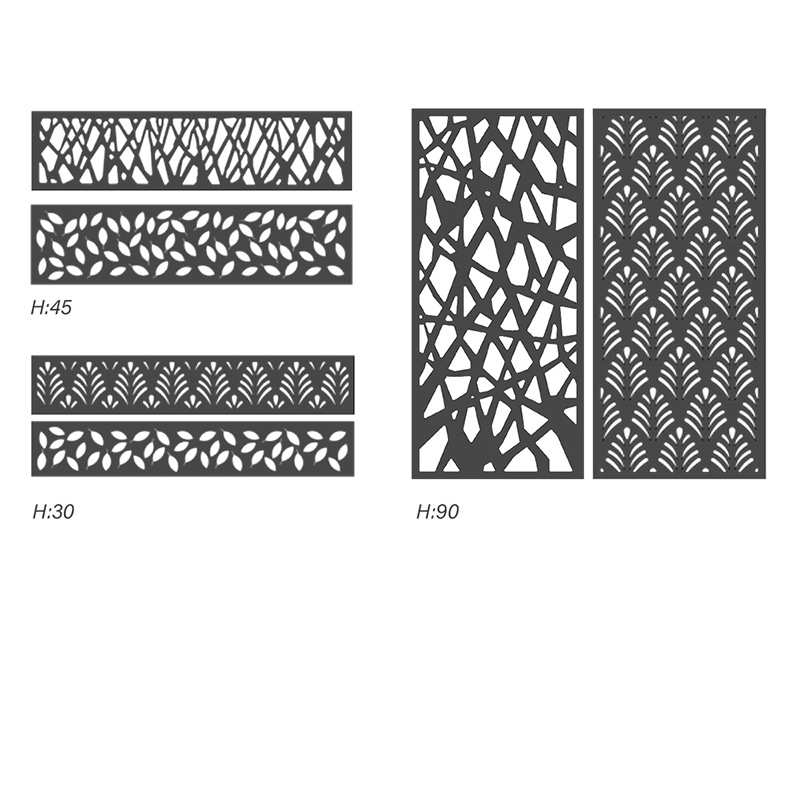 Wood Plastic Composite Wpc Fence Home Garden Courtyard Fence Panels Better Than Vinyl Pvc Material Polyvinyl chloride (PVC resin) + wood fiber/bamboo fiber + calcium carbonate powder + anti-ultraviolet additivesView Product →
FAQ
Q1: How tall should a decorative garden screen be?
For patio privacy, 1.8 m is the common safe height. For covering bins or utility boxes, 1.2 m to 1.5 m is usually enough. Taller screens catch more wind, so posts must be installed deep enough.
Q2: Can WPC garden screens be left outside all year?
Yes. Quality WPC screens with UV stabilizers and a co-extruded cap layer are designed for constant outdoor exposure. They tolerate rain, temperature changes, and sunlight better than untreated timber.
Q3: Do I need planning permission for a garden screen?
It depends on local rules. Many areas allow screens up to 2 m at the rear of a property without permission, but boundary size rules vary. Check your local planning authority before you order.
Q4: How do I clean and maintain decorative garden screens?
WPC needs only a gentle rinse with a garden hose. Metal screens should be wiped with a wet soft cloth and dried. Timber screens require annual oiling or sealing. Avoid pressure washers because they can push water into the surface layer.