

 English
 Español
Why PS Wall Panel Is the Best Choice for Wall Decoration Today? — You’ll Know After Comparing 5 Mainstream Materials
When renovating or redecorating walls, many people get stuck choosing among the many materials on the market: wallpaper that easily molds? Paint that lacks texture? Solid wood that’s too expensive? Today, we put PS wall panels head-To-head against five common wall materials — PVC panels, solid wood panels, wallpaper, latex paint, and ceramic tiles — across 6 key dimensions, to help you see clearly who really is the “king of cost-performance”.
1. Eco-Friendliness
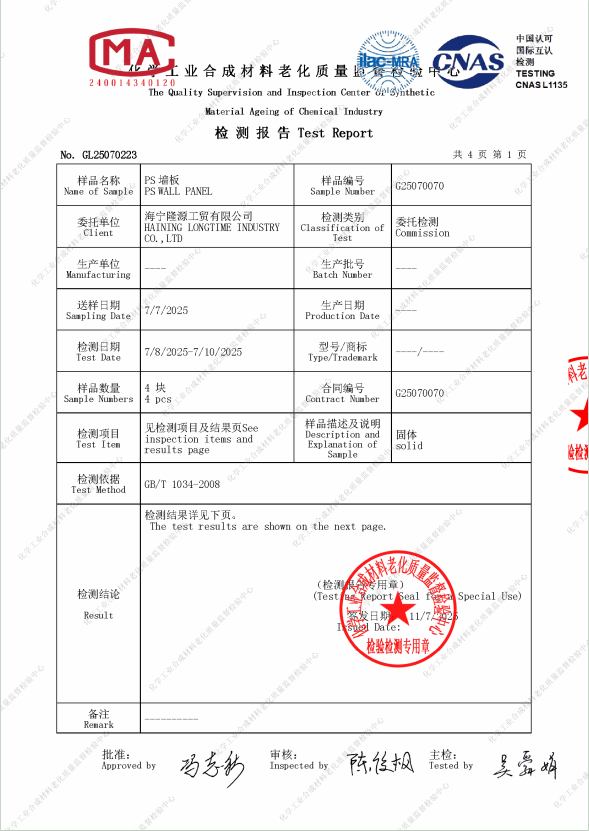
- PS wall panel: Made of polystyrene (PS) raw material, high environmental grade, no formaldehyde, no heavy metals. Some high-quality products even meet food-contact standards.
- PVC wall panel: Some low-cost products may contain plasticizers that can release harmful substances over long-term use.
- Solid wood panel: Naturally eco-friendly, but the surface coating (paint / wax oil) may bring VOC issues.
- Wallpaper / Latex paint: Low-VOC latex paint is available, but wallpaper glue often contains formaldehyde.
- Ceramic tiles: Mainly natural materials, basically eco-friendly, but grout may contain small amounts of VOCs.
Winner: PS wall panel (combines eco-friendliness and performance)
2. Waterproof & Moisture Resistance
- PS wall panel: Excellent waterproof performance – no swelling. no deformation, no mold even after long-term immersion. Suitable for bathrooms and basements.
- PVC wall panel: Good waterproofing, but becomes brittle at low temperatures and may deform at high temperatures.
- Solid wood panel: Afraid of water – prone to mold, deformation, and insect damage in humid environments.
- Wallpaper / Latex paint: Wallpaper easily curls from moisture; latex paint peels when exposed to water.
- Ceramic tiles: Excellent waterproofing, but grout lines can get moldy.
Winner: PS wall panel & ceramic tiles (PS panels are easier to install and seam-free without mold)
3. Ease of Installation
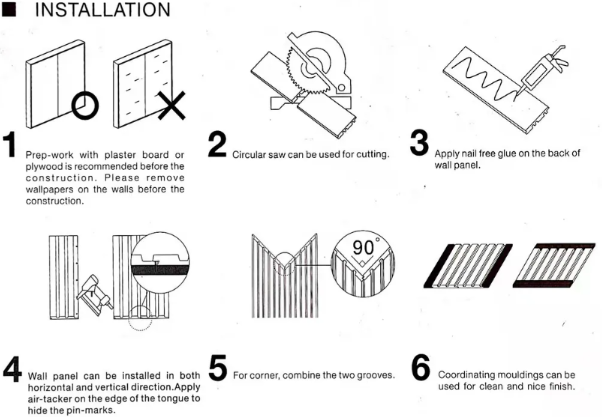
- PS wall panel: Lightweight, can be nailed or glued directly onto bare or old walls – no leveling required. Two people can install 100㎡ in one day.
- PVC wall panel: Similar installation, but softer and prone to unevenness over large areas.
- Solid wood panel: Requires furring strips or a substrate layer, professional installation, high labor cost.
- Wallpaper / Latex paint: Requires completely flat and dry walls, many steps (putty, sanding, primer, etc.).
- Ceramic tiles: Requires cement mortar or tile adhesive - wet work, long construction time, high skill requirement.
Winner: PS wall panel (saves time and labor, DIY-friendly)
4. Durability & Maintenance
- PS wall panel: Surface has a scratch-resistant layer, not easily scratched; impact-resistant. Daily cleaning with a damp cloth is enough.
- PVC wall panel: Soft surface, easily scratched, yellows with age.
- Solid wood panel: Afraid of bumps and dents, needs regular waxing and maintenance, cracks under direct sunlight.
- Wallpaper / Latex paint: Wallpaper is afraid of sharp objects and cannot be scrubbed; latex paint stains are hard to clean.
- Ceramic tiles: Extremely durable, but grout lines get dirty easily, and heavy impacts may cause cracking.
Winner: PS wall panel (best combination of durability and low maintenance)
5. Aesthetics & Design Options
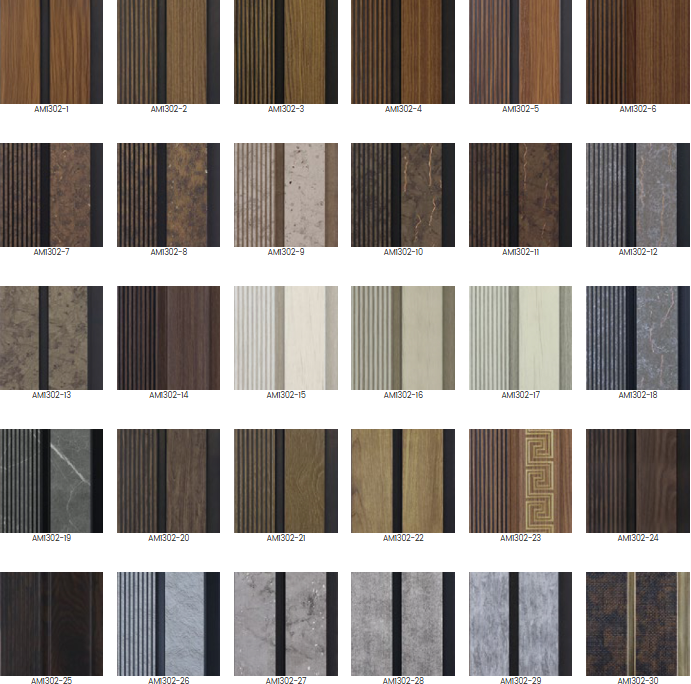
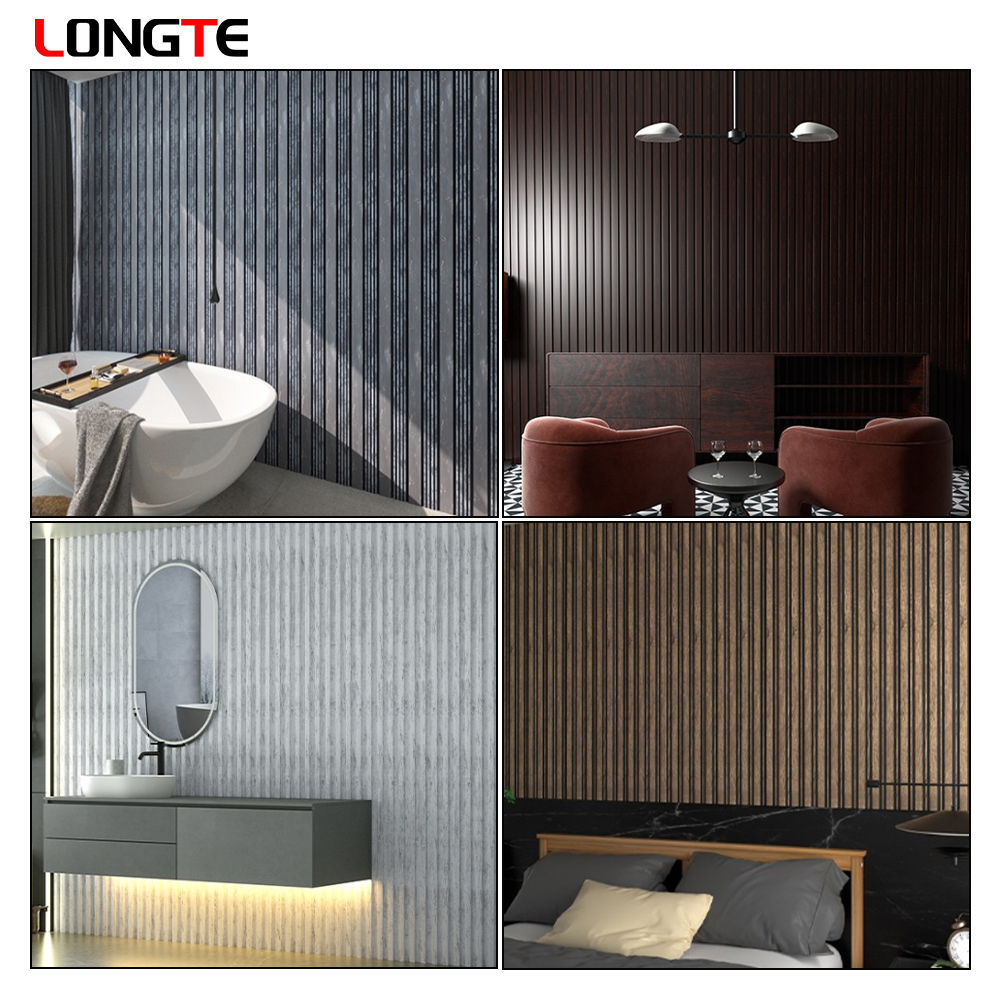
- PS wall panel: High-precision imitation of wood grain, stone grain, fabric texture, 3D relief realistic surface feel, rich color choices.
- PVC wall panel: Limited patterns, somewhat plasticky look and feel.
- Solid wood panel: Natural, high-end texture, but unavoidable color variation, style limitations.
- Wallpaper / Latex paint: Wallpaper offers many patterns; latex paint can be any color, but no threedimensional feel.
- Ceramic tiles: Hard texture, but obvious joints, cool style.
Winner: PS wall panel (strong realism + great design freedom)
6. Cost Performance (Material + Installation + Lifespan)
- PS wall panel: Midrange material cost, fast installation (saves >50% on labor), zero maintenance cost, lifespan 10 -15 years.
- PVC wall panel: Cheap material, but short lifespan (yellows and becomes brittle in 3-5 years) higher long-term cost
- Solid wood panel: Expensive material expensive labor – suitable for high budgets.
- Wallpaper / Latex paint: Low initial cost, but needs redoing every 3-5 years – hidden costs add up.
- Ceramic tiles: Mid-range material, high labor cost, high removal and renovation cost.
| Material Type | Initial Cost (Material + Labor) | Maintenance Frequency | Service Life |
Overall Assessment |
| PS Wall Panel | Medium | Very low (zero maintenance) | 10-15 years | High cost-performance, saves labor and time |
| PVC Wall Panel | Low | High (prone to aging / yellowing) | 3-5 years | Saves money upfront, but troublesome later |
| Solid Wood Panel | Very high | Medium (needs moisture & insect protection) | 20+ years | Top-tier texture, but high budget required |
| Wallpaper / Latex Paint | Low | High (easily cracks / gets damp) | 3-5 years | Frequent renovation, high hidden costs |
| Ceramic Tiles | Medium-high | Low | 20+ years | Slow installation, huge cost for removal & renovation |
Overall cost-performance winner: PS wall panel (one investment, long-term peace of mind)
7.FAQ
Q1: What are the main components of the PS wall board?
A1: The main component of the PS wall board is Polystyrene. It is a widely used plastic material. It is widely used in the production of wall boards for its light, durable and easy-to-process characteristics.
Q2: Is PS wall board installation difficult?
A2: The installation of the PS wall plate is relatively simple. In most cases, you can use the back of the back or hooking method. There is no professional installation team. Many times the owner can complete the installation work.
Q3: What are the PS wall boards applied to?
A3: PS wallboards are suitable for indoor and outdoor occasions, including living rooms, bedrooms, kitchens and bathrooms of family houses, as well as commercial space, office, hotels, exhibition halls and entertainment venues.
Q4: Is the PS wall board waterproof?
A4: The PS wall board has good waterproof performance, which can prevent water penetration to a certain extent. It is especially suitable for humid environments such as kitchen and bathrooms.
Q5: How long is the life of the PS wall board?
A5: The life of the PS wall board depends on multiple factors, including installation environment, use conditions, and daily maintenance. Under normal circumstances and proper maintenance, PS wallboards can be used for many years without losing their aesthetics and functions.
Q6. Where is your factory located?
A6:Our company is located at No. 10-1 Lianhong Road, Yuanhua Town, Haining City, Zhejiang Province, China
8.Conclusion: Which Scenarios Are PS Wall Panels Best For?
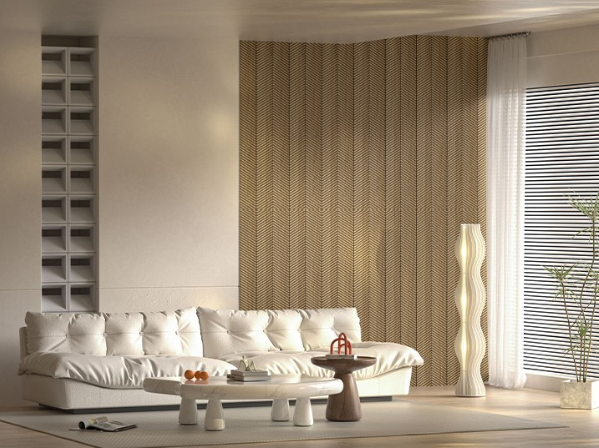
Home renovation: Living room accent wall, bedroom, kids’ room, balcony, basement, bathroom dry area
Commercial spaces: Restaurants, hotels, offices, showrooms (quick-installation needs)
Old renovation: Cover old walls without removing the original surface - dust-free installation, move in the same day
One-sentence summary: If you want “eco-friendly, waterproof, quick-install, easy-to-clean, and stylish” all in one, PS wall panels are the choice with no obvious weaknesses on the market today.
——————————————————————————————————————————————————————————————
If you would like to add this high-performance PS wall panel product to your own store, feel free to contact us for samples or a quote.
For samples, quotations or technical specifications, please contact:
Haining Longtime Industry Co., Ltd
Official website:www.ltpvcfactory.com
WhatsApp: +86 17757302351
Samples Policy: We provide samples, catalogues and fastener demonstration units free of charge; shipping costs are payable on delivery.