

 English
 Español
Why I Gave Up Wallpaper and Latex Paint and Chose PS Wall Panels
When I was renovating, I spent two whole weeks agonizing over wall materials.
Wallpaper looks good, but it hates moisture. I live on the first floor, and during the humid rainy season, water droplets literally form on the walls. A friend of mine put up wallpaper – within two years, the corners were all peeling off.
Latex paint is simple, but it's too plain. A big white wall gets drawn on by kids soon after you move in. Repainting means moving furniture, airing out the smell – such a hassle.
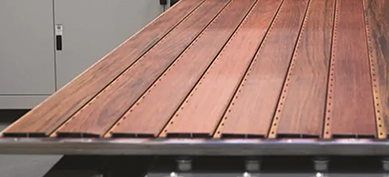
Then a contractor recommended PS wall panels. Honestly, the first time I heard the name, I thought it was some kind of industrial material. But when I saw them in person, I realized they look like wood or stone – even though they're not wood or stone.
I hesitated for a few days, then decided to give them a try.
Why I ended up choosing them
Because I'm lazy, and because I'm on a budget.
Lazy – I don't want to mess with the walls every year. Wallpaper needs replacing every 3–5 years. Latex paint is hard to clean once it gets dirty. With PS panels, once they're up, a damp cloth wipes them clean. No maintenance.
On a budget – and I mean really on a budget. I asked around for solid wood paneling – a single TV feature wall would cost me a fortune. With PS panels, the same area cost me very little in materials. I spent half a day installing them myself, so zero labor cost.
After installation, my neighbors thought I'd spent a fortune
The day the panels arrived, I opened a box and my neighbor walked by. "Wow, solid wood? That must have cost you a lot!"
I told him it wasn't real wood – just imitation. He leaned in and touched it. Paused. "The feel… it's so realistic."
After I finished installing, I posted a photo on social media. Everyone in the comments was asking where to buy them.
After using them for a year, here's my honest experience
The good parts:
- Not afraid of water: No water droplets on the walls during the rainy season. Kitchen grease wipes right off.
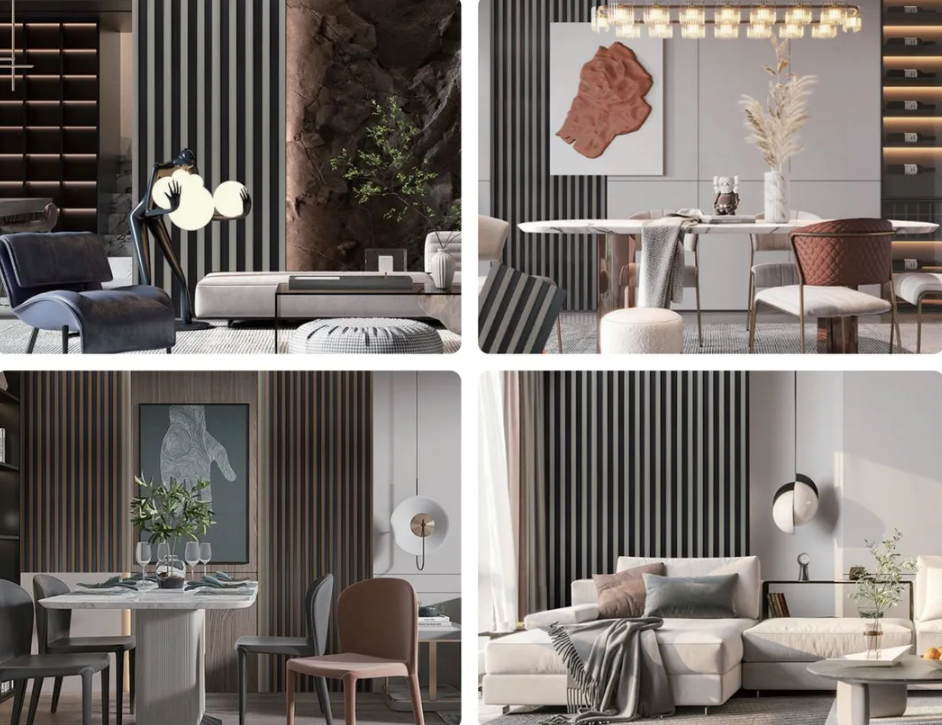
- Tough: My kid drew on them with crayons – wiped off with a damp cloth. Bumped them while moving furniture – no dents.
- No smell: Moved in right after installation. No worries about formaldehyde.
- Easy to maintain: No waxing, no repainting, no hiring anyone.
The not-so-perfect parts:
- You can see the seams if you look closely: Even with natural gaps, when you get up close you can tell the panels are pieced together. Not like a single seamless sheet of solid wood.
- Slight fading in sunny rooms: On the west-facing wall, after a year the color was a tiny bit lighter than the rest. Curtains help a lot.
- Can't refinish them: With solid wood, you can sand and refinish. With PS panels, you can't. But given the price, if you want a new look after a few years, just replace them – it won't break the bank.
If I had to choose again
I would still pick PS wall panels.
Not because they're perfect – but because they fit me best. I don't want to spend too much money, I don't want to hire workers, and I don't want to worry about my walls all the time. PS panels checked all my "don't wants."
When it comes to renovation, there's no single "best" material – only the material that's right for you. For me, PS panels are that "right" choice.
Questions you might also ask
Q1: Where is your factory located?
A: No. 10-1 Lianhong Road, Yuanhua Town, Haining City, Zhejiang Province, China.
Q2: Which pattern did you buy? Would you recommend it?
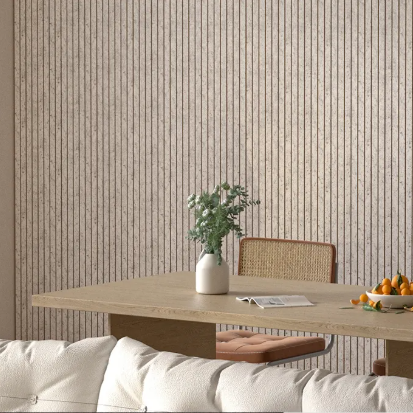
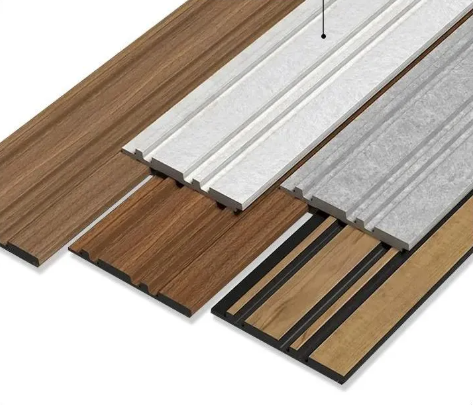
I bought light oak grain, matte finish, 3mm thick. It's very versatile and won't go out of style. If your home doesn't get much natural light, go with a light color. If it's bright, you can try dark or cement grey.
Q3: Was it hard to install yourself? Have you done renovation work before?
Never. I learned from a video and finished one wall in half a day. The most tiring part was cutting the panels – everything else was very simple.
Q4: Do they look plasticky?
Good panels don't. The ones I bought have synchronous embossing – they feel like real wood when you touch them. Cheap panels are just laminated with a smooth surface – those do feel plasticky.
Q5: How much per square meter?
From a few tens to a hundred something, depending on thickness and finish. I bought the 3mm basic model – a few tens per square meter. More than enough for home use.
Q6: Can you send samples?
Yes. Contact our customer service, tell us which style you like. Samples cost a few dollars each. Take them home, touch them, scratch them, wipe them – only order the full quantity when you're satisfied.