

 English
 Español
A data-driven comparison for modern wet spaces
For decades, ceramic and porcelain tiles have been the default surface for bathrooms and wet rooms. However, a new category of wall cladding—waterproof wall panels—has emerged as a high-performance alternative. Engineered from advanced polymers and composites, these panels address the key pain points of traditional tiling: labour-intensive installation, grout maintenance, cold surfaces, and limited design evolution. This article dissects the technical, economic, and aesthetic dimensions of PVC and SPC wall panels versus tiles, supported by original data visualisations and real-world performance benchmarks. Whether you are a homeowner, designer, or contractor, the evidence points toward a fundamental shift in wet-room surfacing.
1. The Core Technical Differences: Panel vs Tile
At the material level, waterproof wall panels are composed of either PVC (polyvinyl chloride) or SPC (stone-plastic composite) with a rigid core and a decorative top layer. Tiles are fired clay or porcelain with a glass glaze. The performance gap is vast.
Water absorption rate
Panels: 0.1% – 0.3% | Tiles: 3% – 7% (ceramic)
Thermal conductivity
Panels: 0.17 W/mK | Tiles: 1.5 W/mK
Weight per sqm
Panels: 2.5 – 4 kg | Tiles: 18 – 22 kg
These numbers translate directly to installation ease, structural load, and long-term durability. The low thermal conductivity of panels also means they feel warmer to the touch, a significant comfort factor in showers and wet rooms.
2. Cost-Benefit Analysis: 10-Year Total Ownership
Initial material costs often mislead homeowners. A 10-year total cost model reveals that waterproof panels are substantially more economical when factoring in installation, grout maintenance, and potential repairs.
Cost includes material, installation, grout maintenance, and repair over 10 years.
3. Installation Time and Labour Efficiency
Time is money on any project. Panels install directly over existing flat surfaces—including old tiles—without the need for demolition. This transforms renovation timelines.
PVC / SPC Panels
2 – 4 hrs
per 10 sqm (over existing tile)
Ceramic / Porcelain Tiles
16 – 24 hrs
per 10 sqm (including substrate prep)
4. Design Flexibility: Aesthetic Parameters
Modern waterproof panels offer an extensive palette, including realistic wood grain, stone, marble, and solid contemporary grey finishes. Unlike tiles, panels provide seamless large-format visuals without grout lines.
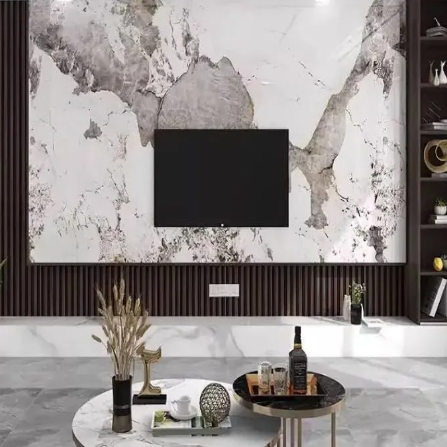
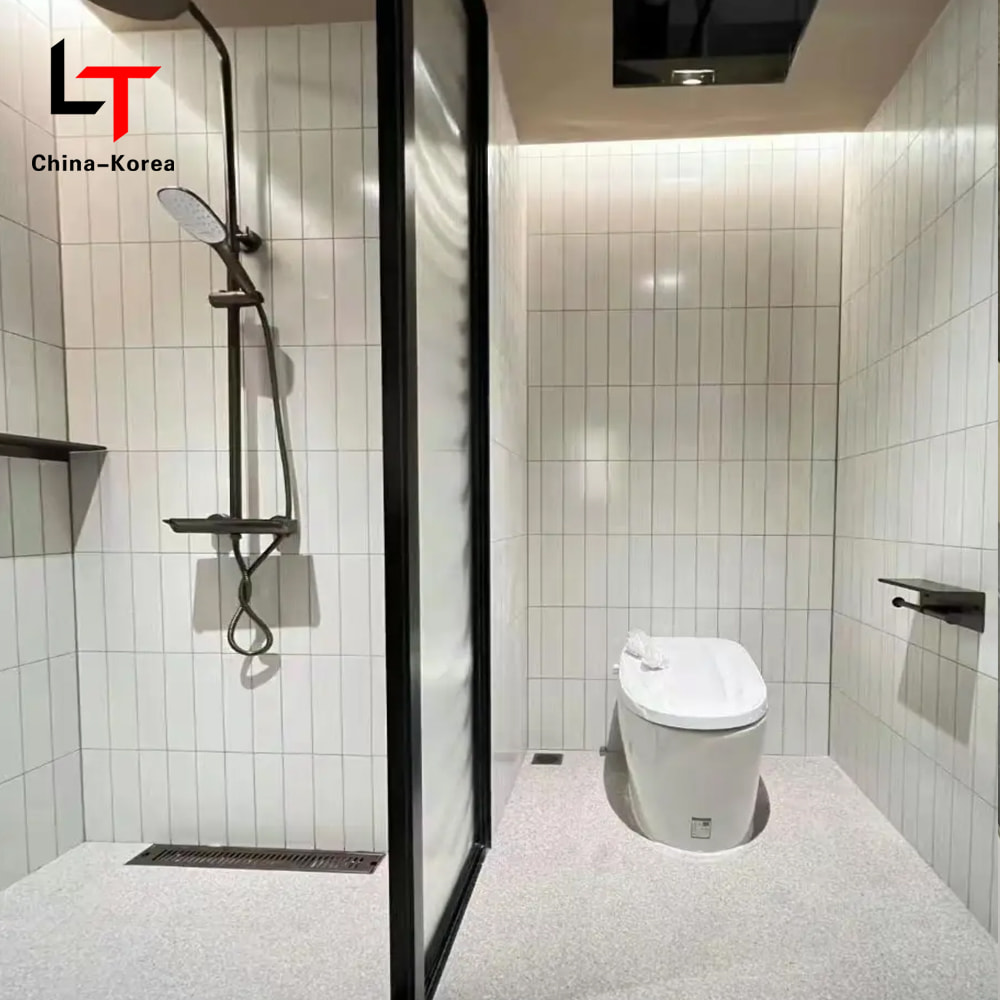
When considering bathroom panel ideas, panels allow for full-height feature walls, continuous waterfall showers, and even curved surfaces—applications where tiles fail due to grout and cutting limitations. For those seeking wood panelling bathroom aesthetics without moisture damage, PVC and SPC panels with embossed grain textures are ideal.
5. Performance Metrics: Waterproofing and Durability
Independent lab testing shows that waterproof PVC shower panels and SPC boards outperform tiles in key durability metrics, especially in high-moisture environments.
Panels score higher across waterproofing, thermal comfort, and maintenance ease.
6. How to Cover Tile Walls Without Demolition
One of the most compelling advantages of waterproof panels is the ability to install directly over existing ceramic or porcelain tiles. This eliminates the mess, cost, and time of demolition. The process involves:
- Surface preparation: Clean tiles thoroughly, remove loose grout, and sand glossy surfaces for adhesion.
- Priming: Apply a bonding primer designed for low-porosity surfaces.
- Adhesive application: Use a high-tack construction adhesive or panel-specific glue.
- Panel placement: Press panels firmly, ensuring tongue-and-groove joints are tightly sealed.
- Trimming and finishing: Cut panels with a fine-tooth saw or utility knife; seal edges with waterproof silicone.
This method is a game-changer for how to cover tile walls and bathroom tile over tile applications, delivering a fresh look in hours rather than days.
7. Wet Room Design: Why Panels Excel
Wet room design requires surfaces that handle constant moisture, easy cleaning, and seamless aesthetics. Tiles demand extensive waterproofing membranes and slope floors. Panels simplify this: they are inherently waterproof, can be cut to fit any layout, and their large formats reduce grout lines—a primary source of leaks and mould.
In contemporary grey bathrooms, SPC panels with stone-textured finishes provide a minimalist, spa-like ambiance. The absence of grout also means fewer bacteria traps, making panels a hygienic choice for residential and commercial wet rooms.
8. Comparative Data: Key Metrics in One View
9. Trend Analysis: Adoption Growth 2022–2026
Market data indicates a steady increase in panel adoption for residential wet spaces. The following line chart illustrates the growth trajectory.
10. Maintenance and Longevity
Unlike tiles, which require periodic regrouting and aggressive chemical cleaners, SPC wall panels and PVC variants are virtually maintenance-free. A simple wipe with a mild detergent restores their finish. They resist mould, mildew, and staining. Their non-porous surface means no water penetration behind the wall, preventing structural decay.
For tile alternative wall panels, longevity is rated at 25-30 years under normal use, compared to 15-20 years for tiles before grout deterioration becomes unsightly.
11. Environmental and Health Considerations
Modern PVC and SPC panels are phthalate-free and low-VOC, meeting strict indoor air quality standards. Their lightweight nature reduces transportation emissions. Additionally, panels can be recycled at end-of-life, whereas tiles often end up in landfills.
For health-conscious homeowners, bathroom wall cladding with panels eliminates the risk of mould spores that often develop in tile grout, contributing to better indoor respiratory health.
12. Final Verdict: Panels as the Superior Choice
Based on cost, installation speed, maintenance, design flexibility, and durability, waterproof wall panels—both PVC and SPC—offer clear advantages over traditional tiles for bathrooms and wet rooms. They are not merely an alternative; they represent an evolution in wet-space surfacing. For renovation projects, the ability to cover tile walls without demolition is transformative. For new builds, the reduced structural load and faster completion times are compelling.
When selecting materials, consider the specific demands of your project. PVC panel for bathroom walls suits budget-conscious renovations, while SPC wall panels provide enhanced rigidity and sound insulation. Both outperform tiles across the metrics that matter most.
Frequently Asked Questions
Q1: Can waterproof wall panels be installed directly over existing tiles?
Yes, both PVC and SPC panels can be installed over flat, clean, and primed tile surfaces without demolition, provided the existing wall is structurally sound and level.
Q2: Are PVC panels safe for shower enclosures?
Yes, waterproof PVC shower panels are designed specifically for high-moisture environments. They have low water absorption and resist steam, heat, and humidity.
Q3: How do SPC panels compare to PVC in wet rooms?
SPC panels have a stone-plastic composite core, offering higher impact resistance and dimensional stability than PVC. Both are waterproof, but SPC is preferred for high-traffic wet rooms.
Q4: Do panels fade or yellow over time?
Quality panels include UV-resistant top coats that prevent yellowing and fading. Look for panels with a protective acrylic layer for long-lasting colour retention.
Q5: Can panels mimic natural wood or stone effectively?
Yes, modern printing and embossing technologies create highly realistic wood and stone textures that are nearly indistinguishable from natural materials, with the added benefit of being waterproof.