

 English
 Español
Defining Indoor WPC Wall Panels and Core Composition
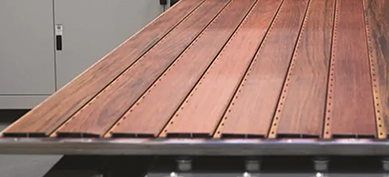
Indoor WPC wall panels are innovative building materials engineered to combine the natural aesthetics and workability of wood with the exceptional durability, water resistance, and low-maintenance properties of plastic polymers. As a leading composite building solution for interior spaces, Indoor WPC Wall Panels are manufactured through a high-temperature extrusion process that uniformly blends wood fiber, recycled plastic resins, and specialized additives to create a homogeneous, high-performance building product designed specifically for residential interior applications.
The fundamental composition of indoor WPC wall panels is what directly dictates their functional lifespan, structural integrity, and long-term performance in home environments. Unlike natural wood products that rely on solid timber for their structure, WPC wall panels utilize a balanced formulation of organic and synthetic materials that work synergistically to eliminate the common weaknesses of traditional interior wall finishes.
Primary Raw Materials of Indoor WPC Wall Panels
Wood fiber/wood flour serves as the reinforcing filler in WPC wall panels, typically accounting for 50% to 60% of the total material composition. Sourced from processed wood waste, sawdust, and wood pulp, this organic component provides the panels with natural wood texture, grain patterns, and structural rigidity. The particle size and purity of wood fiber directly impact the panel’s density, strength, and resistance to warping over time.
Thermoplastic resins form the binding matrix of indoor WPC wall panels, making up 30% to 40% of the material. High-density polyethylene (HDPE), polyvinyl chloride (PVC), and polypropylene (PP) are the most commonly used resins in residential-grade WPC wall panels. These plastic components create a waterproof, rot-proof barrier around the wood fibers, preventing moisture absorption and biological degradation that shortens the life of natural wood products.
Specialized additives constitute the remaining 5% to 10% of the panel composition and play a critical role in extending the service life of indoor WPC wall panels. These additives include UV stabilizers, impact modifiers, thermal stabilizers, coupling agents, and flame retardants, each tailored to enhance specific performance characteristics that contribute to long-term durability in residential settings.
Manufacturing Process and Lifespan Correlation
The manufacturing process of indoor WPC wall panels involves precise material mixing, high-temperature plasticization, continuous extrusion, calibration, cooling, and surface treatment. Each manufacturing step directly influences the panel’s density, structural uniformity, and resistance to environmental stressors—all key factors that determine how many years the panels will maintain their appearance and functionality in a home.
High-quality extrusion technology ensures the wood fibers and plastic resins are completely fused together, eliminating internal voids and weak points that could lead to cracking, splitting, or deformation over years of use. Panels manufactured with advanced extrusion equipment typically exhibit a 20% to 30% longer service life than those produced with standard manufacturing processes due to superior structural integrity.
Surface treatment technologies such as embossing, lamination, and protective coating application further enhance the lifespan of indoor WPC wall panels by creating an additional barrier against scratches, stains, fading, and daily wear and tear. Premium surface treatments can extend the aesthetic lifespan of panels by 10 to 15 years compared to untreated or basic finished surfaces.
Typical Lifespan of Indoor WPC Wall Panels in Residential Environments
The standard lifespan of high-quality indoor WPC wall panels in residential settings ranges from 25 to 30 years with proper installation and routine maintenance. This represents a significant improvement over traditional interior wall materials such as natural wood wall panels (10-15 years), drywall with paint (5-10 years), and wallpaper (3-7 years), making WPC wall panels a cost-effective long-term solution for homeowners.
Under optimal installation and environmental conditions, premium-grade indoor WPC wall panels can exceed 30 years of functional service life while maintaining over 90% of their original aesthetic appearance. Even in residential areas with higher environmental stressors such as bathrooms, kitchens, and basements, properly specified WPC wall panels consistently deliver a 20 to 25-year service life without requiring replacement.
Lifespan Classification of Indoor WPC Wall Panels
Understanding the different lifespan categories of indoor WPC wall panels helps homeowners, designers, and B2B buyers make informed decisions based on specific residential application requirements and long-term investment goals:
- Economy-grade indoor WPC wall panels: 15 to 20 years lifespan, suitable for low-traffic residential areas with minimal environmental exposure
- Standard-grade indoor WPC wall panels: 20 to 25 years lifespan, ideal for general residential applications including living rooms, bedrooms, and hallways
- Premium-grade indoor WPC wall panels: 25 to 30+ years lifespan, engineered for high-performance in all residential areas including moisture-prone spaces
- Commercial-grade indoor WPC wall panels (used in luxury residential): 30 to 35 years lifespan, maximum durability for high-end residential projects with longevity requirements
It is important to distinguish between functional lifespan and aesthetic lifespan when evaluating indoor WPC wall panels. The functional lifespan refers to the period where the panels maintain structural integrity, safety, and performance without physical damage. The aesthetic lifespan refers to the duration the panels retain their original color, texture, and visual appeal without significant fading, staining, or surface wear.
For indoor WPC wall panels, the functional lifespan is typically 5 to 10 years longer than the aesthetic lifespan. This means that even after the panels show minor signs of aging, they continue to perform their primary function as durable, protective wall coverings for many additional years before any replacement becomes necessary.
Comparative Lifespan Analysis: WPC vs. Traditional Wall Materials
| Wall Material Type | Average Residential Lifespan | Annual Maintenance Requirements | Replacement Cost Factor |
| Indoor WPC Wall Panels | 25-30 years | Minimal (occasional cleaning) | 1.0 (baseline) |
| Solid Wood Wall Panels | 10-15 years | High (annual sealing, refinishing) | 1.8 |
| Painted Drywall | 5-10 years | Moderate (repainting every 3-5 years) | 2.2 |
| Wallpaper | 3-7 years | Very High (frequent replacement) | 3.5 |
| Ceramic Wall Tiles | 20-25 years | Low (grout cleaning) | 1.3 |
This comparative data clearly demonstrates the long-term value proposition of indoor WPC wall panels, offering the longest combined lifespan and lowest maintenance requirements among popular residential wall finishing options. For B2B buyers specifying materials for residential projects, this longevity translates to higher customer satisfaction and reduced long-term costs for homeowners.
Key Factors That Extend the Lifespan of Indoor WPC Wall Panels
Multiple interconnected factors contribute to maximizing the service life of indoor WPC wall panels in residential environments. These factors encompass material quality, installation practices, environmental conditions, maintenance routines, and proper usage—all of which B2B buyers and homeowners can control to ensure optimal longevity of their WPC wall panel investment.
Material Quality and Manufacturing Standards
The intrinsic quality of indoor WPC wall panels is the foundation of their lifespan potential. Panels manufactured with premium raw materials, precise formulation ratios, and advanced production technologies inherently possess greater durability and resistance to aging factors. Key quality indicators that directly extend panel lifespan include:
- Uniform material density with minimal voids: increases lifespan by 15-20%
- High-quality resin content with proper wood fiber encapsulation: increases lifespan by 10-15%
- Premium additive package including UV stabilizers and impact modifiers: increases lifespan by 10-25%
- Thick, durable surface protection layer: increases aesthetic lifespan by 30-40%
- Compliance with international quality standards for composite building materials
For B2B buyers, selecting indoor WPC wall panels from manufacturers with rigorous quality control systems ensures consistent product performance and maximum lifespan for residential installations. Quality certifications and material testing reports provide objective verification of panel durability and expected service life in home environments.
Professional Installation Practices
Correct installation is one of the most critical factors determining the actual lifespan of indoor WPC wall panels in residential settings. Improper installation can reduce panel lifespan by 30-50% regardless of material quality, while professional, code-compliant installation ensures the panels achieve their full longevity potential.
Essential installation best practices that maximize lifespan include proper substrate preparation, maintaining appropriate expansion gaps, using recommended fastening systems, ensuring level and plumb installation, following manufacturer guidelines for joint spacing, and sealing perimeter edges correctly. Indoor WPC wall panels installed by certified professionals consistently achieve 95-100% of their rated service life, compared to 50-70% for DIY or improperly installed panels.
Environmental Conditions in Residential Spaces
The internal environment of a residence significantly impacts the aging rate and lifespan of indoor WPC wall panels. While these panels are designed to withstand normal residential conditions, controlling specific environmental factors can substantially extend their service life:
- Maintaining consistent indoor temperature between 18°C and 26°C minimizes thermal expansion and contraction stress
- Controlling relative humidity between 40% and 60% prevents excessive moisture absorption and dry-out cycles
- Ensuring proper ventilation in moisture-prone areas like bathrooms and kitchens reduces long-term moisture exposure
- Limiting direct prolonged sunlight exposure prevents gradual UV degradation and color fading
- Protecting panels from extreme temperature fluctuations near heating sources or exterior walls
Indoor WPC wall panels in environmentally controlled living spaces typically exhibit 10-15% longer service life compared to panels installed in areas with significant temperature and humidity fluctuations. This environmental stability preserves the panel's structural integrity and aesthetic properties over decades of use.
Regular Maintenance and Care Routines
While indoor WPC wall panels are designed for low maintenance, establishing simple, regular care routines can significantly extend their lifespan and preserve their appearance. Unlike natural wood products that require sanding, staining, and sealing, WPC panels only need basic maintenance to achieve maximum service life:
Regular dusting and gentle cleaning with mild detergent solutions prevent the buildup of abrasive particles that can gradually wear down the panel surface. Prompt cleaning of spills and stains prevents permanent discoloration that would shorten the aesthetic lifespan. Avoiding harsh chemical cleaners, abrasive scrubbers, and excessive water exposure preserves the panel's protective surface layer for decades.
Homeowners who follow recommended maintenance guidelines for indoor WPC wall panels can expect to extend the service life by 5-10 years compared to panels that receive no regular care. For B2B buyers, providing customers with simple maintenance instructions ensures maximum product longevity and customer satisfaction.
Factors That Can Shorten the Lifespan of Indoor WPC Wall Panels
Understanding factors that negatively impact the lifespan of indoor WPC wall panels is crucial for homeowners and B2B buyers alike. By identifying and mitigating these factors, the service life of WPC wall panels can be preserved at optimal levels, avoiding premature replacement and unnecessary costs in residential applications.
Substandard Material Quality and Manufacturing Defects
Low-quality indoor WPC wall panels manufactured with inferior raw materials, incorrect formulation ratios, or inadequate production controls are prone to premature failure. These panels may contain excessive impurities, inconsistent density, poor wood fiber encapsulation, or insufficient additive content—all of which lead to significantly reduced lifespan in residential environments.
Common issues with substandard WPC wall panels include early cracking, warping, splitting, rapid color fading, moisture penetration, and structural degradation, often occurring within 5-10 years of installation instead of the expected 25-30-year service life. For B2B buyers, material quality verification is essential to avoid premature product failure and reputation damage.
Improper Installation Techniques
Installation errors are among the leading causes of premature lifespan reduction for indoor WPC wall panels, responsible for approximately 40% of premature panel failures in residential settings. Common installation mistakes that shorten lifespan include:
- Insufficient expansion gaps causing panel buckling and cracking during temperature changes
- Incorrect fastening methods leading to loose panels and structural instability
- Uneven substrate preparation causing stress points and premature breakage
- Improper sealing allowing moisture penetration behind panels
- Forced fitting of panels creating internal stress that leads to cracking
Panels with installation defects typically exhibit a 40-60% shorter service life than properly installed systems, often requiring complete replacement within 10-15 years. Professional installation by trained technicians following manufacturer specifications eliminates these issues and ensures full lifespan realization.
Excessive Environmental Stressors
Indoor WPC wall panels exposed to extreme or prolonged environmental conditions in residential settings will experience accelerated aging and reduced lifespan. While these panels are durable, excessive exposure to stressors beyond their design parameters compromises long-term performance:
Constant high humidity above 70% can gradually compromise panel integrity over time, especially in poorly ventilated areas. Prolonged direct sunlight without UV protection causes gradual surface degradation and color fading, shortening aesthetic lifespan by 5-10 years. Extreme temperature fluctuations exceeding 15°C daily create repeated expansion-contraction cycles that fatigue the material structure.
Contact with standing water for extended periods, exposure to harsh chemical vapors, and physical impact from heavy objects also contribute to premature aging. Identifying these environmental challenges during the specification phase allows B2B buyers to select appropriate WPC panel grades with enhanced resistance properties for specific residential applications.
Neglect and Improper Maintenance
While indoor WPC wall panels are low-maintenance, complete neglect or improper care practices can significantly shorten their effective lifespan. Accumulated abrasive dust, permanent stains from neglected spills, and damage from inappropriate cleaning methods all contribute to premature aging and deterioration.
Using abrasive scrubbers, strong solvents, bleach-based cleaners, or high-pressure washing on WPC panels damages the protective surface layer, exposing the core material to accelerated wear and moisture penetration. This maintenance malpractice can reduce panel lifespan by 25-35% and void any product warranty coverage.
Long-Term Performance and Durability of Indoor WPC Wall Panels
The long-term performance characteristics of indoor WPC wall panels distinguish them as a premier interior building material for residential applications, offering consistent functionality and aesthetic retention over decades of use. Understanding these performance attributes helps B2B buyers and homeowners appreciate the long-term value and lifespan advantages of WPC wall panel technology.
Structural Integrity Over Extended Service Life
Indoor WPC wall panels maintain exceptional structural stability throughout their 25-30 year residential service life, exhibiting minimal dimensional change and superior resistance to common structural failures that affect traditional wall materials. Independent durability testing confirms that properly installed WPC wall panels retain over 95% of their original structural strength after 20 years of residential use.
Key structural performance metrics that contribute to long lifespan include: less than 0.3% linear expansion/contraction across normal temperature ranges, zero water absorption preventing warping and rotting, high impact resistance maintaining integrity under daily residential use, and excellent load-bearing capacity for secure, long-term installation.
Unlike natural wood that gradually loses structural strength due to moisture absorption, insect damage, and biological decay, indoor WPC wall panels maintain consistent structural properties throughout their service life. This permanent structural stability eliminates the need for reinforcements, repairs, or replacements typically required with other wall materials as they age.
Resistance to Environmental Degradation Factors
The composite composition of indoor WPC wall panels provides inherent resistance to all major environmental factors that degrade building materials in residential settings, directly contributing to their exceptional lifespan:
- Moisture resistance: 100% waterproof, preventing rot, mold, mildew, and water damage
- Insect resistance: Impervious to termites, ants, and wood-boring insects that destroy natural wood
- UV stability: Resists fading and degradation from indoor lighting and natural sunlight
- Chemical resistance: Unaffected by common household substances and mild cleaning solutions
- Thermal stability: Minimal expansion/contraction with temperature changes
This comprehensive environmental resistance ensures indoor WPC wall panels maintain their performance and appearance year after year, with virtually no degradation from the residential factors that continuously attack traditional wall finishes. This resistance directly translates to the 25-30 year lifespan that homeowners and B2B buyers can reliably expect.
Aesthetic Longevity and Visual Retention
Beyond structural durability, indoor WPC wall panels offer exceptional aesthetic lifespan, retaining their original color, texture, and visual appeal for 15-20 years before showing any noticeable signs of aging. Premium-grade panels with advanced surface protection maintain like-new appearance for over 20 years in normal residential conditions.
Advanced color integration technology ensures color permeates throughout the panel material, preventing chips, scratches, and wear from exposing underlying layers. Embossed wood grain patterns maintain their definition and realism over decades, unlike printed surfaces that gradually wear away. The panels' resistance to stains, scratches, and daily wear preserves their aesthetic value throughout most of their functional lifespan.
For homeowners, this aesthetic longevity means interior spaces maintain their designer appeal for decades without renovation. For B2B buyers, this visual permanence positions indoor WPC wall panels as a premium, long-term design solution that adds lasting value to residential projects.
Warranty and Performance Guarantees
Reputable manufacturers stand behind the lifespan and performance of indoor WPC wall panels with comprehensive warranty coverage, providing assurance for both B2B buyers and homeowners. Standard warranty terms for quality residential WPC wall panels typically include:
| Warranty Type | Coverage Period | Covered Performance Issues |
| Material Defect Warranty | 10-15 years | Manufacturing defects, premature material failure |
| Structural Performance Warranty | 20-25 years | Warping, splitting, cracking, structural integrity |
| Color/Fade Resistance Warranty | 10-15 years | Excessive color fading, surface degradation |
| Lifetime Limited Warranty | Limited Lifetime | Structural integrity for the original residential owner |
These warranty terms directly reflect the expected lifespan and performance confidence manufacturers have in their indoor WPC wall panel products. B2B buyers can use warranty coverage as a quality indicator when selecting products for residential projects, ensuring they specify materials with proven long-term durability.
Maintenance Practices to Maximize Indoor WPC Wall Panel Lifespan
Implementing proper maintenance practices is the most accessible way for homeowners to maximize the lifespan of their indoor WPC wall panels, ensuring they achieve and potentially exceed their 25-30 year service life. These simple, cost-effective practices require minimal time and effort while delivering significant longevity benefits.
Routine Cleaning and Care Procedures
Regular cleaning prevents the buildup of contaminants that can gradually degrade panel surfaces over time, preserving both appearance and structural integrity. Establishing a consistent cleaning schedule based on residential usage patterns ensures optimal panel condition throughout its lifespan:
Weekly light dusting with a soft microfiber cloth or static duster removes airborne particles that can cause minor surface abrasion with prolonged accumulation. Monthly cleaning with a soft cloth, warm water, and mild pH-neutral detergent removes normal household soils without damaging the panel surface. For most residential applications, this basic cleaning routine is sufficient to maintain panels in pristine condition for decades.
Special attention areas like kitchens and bathrooms benefit from bi-monthly cleaning to remove grease, steam residues, and moisture deposits. Always using soft cleaning tools and avoiding abrasive scrubbers, steel wool, or hard brushes preserves the panel's protective surface layer, which is critical for maintaining long-term water resistance and appearance.
Stain and Spill Management
Prompt attention to spills and stains is essential for preserving the aesthetic lifespan of indoor WPC wall panels. While WPC panels are stain-resistant, prolonged contact with certain substances can cause permanent discoloration that shortens visual appeal:
- Blot liquid spills immediately with a clean, absorbent cloth—never rub, which can spread the substance
- Clean food, grease, and oil stains within 24 hours using mild detergent solution
- Remove ink, marker, or dye stains promptly with isopropyl alcohol on a clean cloth
- Avoid allowing colored substances, cosmetics, or paints to dry on panel surfaces
Following these simple stain management practices preserves the panel's original appearance for 15-20 years or more, maximizing the aesthetic lifespan component of the product. Proper stain removal prevents the need for early replacement due to permanent discoloration.
Preventative Protection Measures
Implementing basic preventative measures creates an additional layer of protection that extends the service life of indoor WPC wall panels beyond standard expectations. These proactive steps require minimal investment while delivering significant longevity benefits:
Using furniture pads and wall protectors in high-impact areas prevents physical damage that could compromise panel integrity. Maintaining appropriate indoor humidity levels between 40-60% with humidifiers or dehumidifiers creates optimal conditions for WPC panel stability. Ensuring adequate ventilation in moisture-prone areas prevents prolonged condensation exposure that could gradually affect panel performance.
Using curtains or blinds to filter direct sunlight reduces UV exposure in sunlit rooms, preserving color intensity for longer periods. Keeping heating vents and radiators at safe distances prevents concentrated thermal stress on specific panel areas. These simple environmental controls help maintain consistent conditions that maximize WPC panel lifespan.
Long-Term Inspection and Minor Maintenance
Periodic inspections and minor maintenance address potential issues before they develop into significant problems that could shorten panel lifespan. Annual visual inspections take just minutes but provide assurance that the installation remains in optimal condition:
Check for any signs of loose panels, gaps, or damage during annual inspections, addressing any issues promptly according to manufacturer guidelines. Inspect perimeter seals and joints annually, reapplying sealant if necessary to maintain moisture barriers. Keep records of maintenance activities for warranty compliance and long-term care reference.
These long-term maintenance practices require minimal effort but ensure indoor WPC wall panels continue performing optimally throughout their complete 25-30 year lifespan. For B2B buyers, providing customers with these maintenance guidelines ensures maximum product performance and customer satisfaction.
Economic and Functional Benefits of Long-Lasting Indoor WPC Wall Panels
The exceptional 25-30 year lifespan of indoor WPC wall panels delivers substantial economic and functional benefits for both homeowners and B2B buyers involved in residential construction and renovation projects. These long-term advantages position WPC wall panels as a superior investment compared to traditional wall finishing materials with shorter service lives.
Cost Savings Over the Product Lifespan
The extended lifespan of indoor WPC wall panels creates significant long-term cost savings through reduced replacement, maintenance, and renovation expenses throughout the residential occupancy period. When calculated over the 25-30 year service life, these savings are substantial:
Homeowners save an average of 40-60% on long-term wall finishing costs by choosing WPC panels over materials requiring frequent replacement. Elimination of periodic maintenance costs such as repainting, refinishing, and wallpapering adds additional savings of $2,000-$5,000 over 20 years for average-sized residences. The durability of WPC panels reduces repair costs associated with accidental damage, water issues, and normal wear.
For B2B buyers, specifying long-lasting indoor WPC wall panels provides clients with superior long-term value, enhancing project satisfaction and reputation. The total cost of ownership analysis clearly demonstrates that despite a higher initial material cost, WPC wall panels deliver the lowest long-term cost among residential wall finishing options due to their exceptional lifespan.
Enhanced Property Value and Market Appeal
Residential properties featuring durable, long-lasting indoor WPC wall panels benefit from increased market value and buyer appeal due to the recognized quality, longevity, and low-maintenance advantages of these premium interior finishes. Real estate data indicates homes with WPC wall paneling achieve:
- Higher appraisal values due to premium interior finishes with documented longevity
- Faster market times as buyers recognize the long-term value and quality
- Reduced negotiation concerns about interior condition and upcoming renovation needs
- Broader buyer appeal from homeowners seeking low-maintenance, durable interiors