

 English
 Español
Understanding the Evolution of the Bed Backdrop in Modern Architecture
The contemporary master bedroom has shifted from a purely functional sleeping space to a curated personal sanctuary. At the heart of this transformation is the bed backdrop, an architectural focal point that anchors the entire room design. Historically, headboards were simple wooden barriers designed to isolate sleeper beds from cold drafty walls. Today, the concept has expanded into extensive wall headboard ideas and fully integrated feature systems that blend aesthetics, acoustic insulation, and tactile luxury.
Modern interior engineering leverages advanced synthetic and composite materials to achieve visual depth that traditional paint or wallpaper cannot match. By utilizing high-performance surfaces like bamboo wood fiber wall panels, architects and interior decorators can create monolithic structures or textured arrays that elevate a space instantly. This evolution represents a shift toward holistic structural designs where the bed panel wall is no longer an afterthought but an engineered architectural component that dictates the layout, lighting scheme, and acoustic profile of the luxury suite.
When planning a master bedroom upgrade, evaluating material characteristics against long-term performance criteria is critical. The selection of materials affects not only the visual texture but also the installation complexity, thermal properties, and sustainability metrics of the residential interior project. From complex fluted bedroom wall decor to minimal geometric configurations, understanding the physical substrates enables precise execution of advanced hotel-style headboard panels.
Comparative Material Analysis: Bamboo Fiber, WPC, and PS Panels
Selecting the right substrate for a slat wall behind bed installation involves analyzing durability, weight, environmental impact, and aesthetic versatility. Three dominant materials lead the modern decorative industry: engineered bamboo composites, wood-plastic composites, and polystyrene solutions. Each offers distinct physical characteristics suited to different installation environments and design intents.
Engineered bamboo wood fiber wall panels represent a major milestone in ecological building tech. Created by fusing natural bamboo fibers with high-grade polymer resins under extreme heat and pressure, these panels offer excellent structural stability, water resistance, and an authentic feel. They are highly valued for high-end residential applications where environmental safety and low volatile organic compound emissions are top priorities.
Alternatively, architectural wpc wall panels provide a highly rugged solution by blending real timber particles with thermoplastic polymers. This composite delivers a durable surface that resists impacts, warping, and moisture infiltration, making it an excellent candidate for complex wood panels behind bed setups that require long-term stability across changing seasonal humidity levels.
For complex architectural profiles and ultra-lightweight structural configurations, the extruded ps wall panel stands out. Manufactured from high-density polystyrene, this material allows for incredibly sharp, intricate angles and deep channels, perfect for continuous geometric patterns without overloading internal drywall systems.
| Material Substrate | Density (g/cm³) | Moisture Resistance | Acoustic Insulation | Primary Design Suitability |
|---|---|---|---|---|
| Bamboo Wood Fiber | 0.85 - 0.95 | Excellent | High | Seamless large-format walls, eco-certified designs |
| Wood-Plastic Composite (WPC) | 1.10 - 1.25 | Superior | Medium-High | Heavy-duty slatted designs, structural backdrops |
| Polystyrene (PS) | 0.35 - 0.50 | Waterproof | Medium | Intricate fluted patterns, lightweight retrofits |
Understanding these material parameters ensures that your cozy bedroom panelling choice stands up to daily wear while preserving its architectural beauty. For instance, high-traffic commercial hotel spaces often prefer WPC or bamboo fibers due to their superior indentation resistance, while custom residential spaces leverage PS panels to achieve sharp, modern visual effects with minimal framing support.
Innovative Wall Headboard Ideas and Visual Layout Configurations
Designing a compelling master suite feature wall requires balance between symmetry, textural contrast, and built-in lighting. Standard perimeter treatments can be replaced with custom vertical panel arrangements to establish clear architectural focal points within the space.
The Extended Hotel-Style Canopy Layout
A popular approach in contemporary luxury residences is the extended horizontal layout. Instead of stopping at the width of the mattress, the bed panel wall extends laterally to encompass the nightstands, creating a unified architectural element. This layout often integrates concealed LED lighting channels, flush electrical switches, and floating side tables. By continuing the vertical lines across the entire wall width, the room feels wider, echoing the expansive layout of elite luxury resorts.
The Segmented Micro-Slat Geometric Array
For spaces emphasizing texture, a wood slat headboard configuration delivers exceptional contrast against smooth plasterwork. Utilizing alternating panels of deep charcoal and soft walnut tones creates an engaging interplay of shadow and light. Installing a slatted headboard bed system allows the slats to run continuously up to the ceiling, optically raising the height of low-ceilinged rooms and creating an intimate, cozy atmosphere.
Incorporating custom material treatments within these layouts further expands design possibilities:
- Asymmetric Splits: Combine a smooth bamboo fiber finish on two-thirds of the wall with deep, contrasting fluted accents on the remaining section.
- Integrated Illumination: Embed low-voltage linear LED paths between panel gaps to wash surfaces with soft indirect light, emphasizing the textures.
- Inlaid Metallic Profiles: Inset thin metallic strips between panels to add subtle reflection and define distinct sections of the layout.
Technical Blueprint for a DIY Bed Backdrop Installation
Executing a professional-grade DIY bed backdrop project requires careful preparation, precision leveling, and a thorough understanding of adhesive science. Following an orderly installation sequence prevents common alignment and adhesion issues over time.
The base wall must be structurally stable, completely dry, and free of loose paint, dust, or grease. Use a precise digital level to map out any local surface variances. Deviations exceeding 2 millimeters over a 2-meter span require leveling compound or a thin structural plywood framework to prevent panel stress and gapping.
Measure the wall height across multiple horizontal points, as floor-to-ceiling heights often vary slightly. Mark cut lines accurately on the back of the material. Use a fine-toothed circular saw with a dedicated carbide-tipped blade to achieve clean cuts free of fraying or melted edges on composite materials.
Apply a high-tack, polyurethane-based construction adhesive in a continuous zig-zag bead across the rear structural ribs of the panel. For heavier materials, use a combination of adhesive and pneumatic headless brad nails driven through the interlocking tongue-and-groove joints. This ensures immediate stability while the core structural adhesive cures completely over 24 hours.
During installation, ensuring proper expansion gaps is essential for long-term reliability. Leave a small 1.5 to 2 millimeter gap at the floor and ceiling junctions to allow for natural structural settling and thermal fluctuations. Conceal these technical transitions with minimalist trim profiles or shadow-gap baseboards for a clean, professional finish.
Acoustic Insulation and Thermal Optimization in Bedroom Panelling
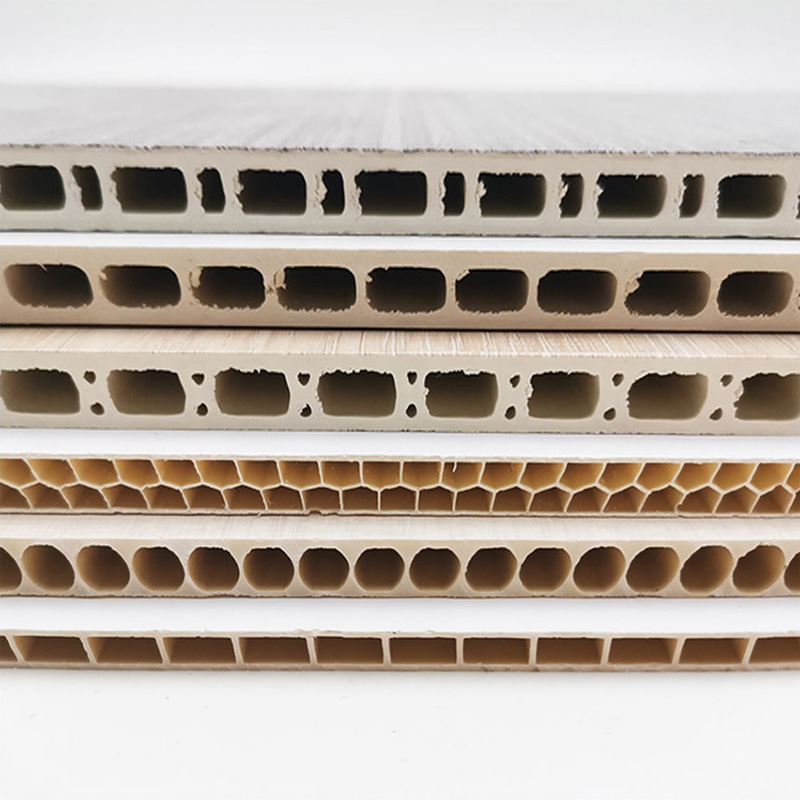
Beyond visual appeal, premium headboard wall panelling provides significant structural advantages, particularly regarding acoustics and thermal comfort. The internal design of modern composite panels features hollow chambers or dense core matrices that help control environmental elements.
From an acoustic perspective, a bare drywall surface acts as a hard boundary that reflects sound waves, amplifying ambient noise and echo. Installing hollow-core fluted bedroom wall decor breaks up these reflections. Sound waves strike the multi-angled surfaces, scattering and losing energy within the acoustic channels. This structural sound dampening creates a quieter room, ideal for deeply relaxing master bedroom spaces.
Thermally, these panel systems act as an additional insulation envelope. The dead air trapped inside the extruded chambers of composite materials forms a protective thermal barrier. This minimizes heat transfer through exterior walls, helping keep the bedroom warmer in the winter and cooler during peak summer months, reducing reliance on HVAC systems.
Long-Term Maintenance and Sustainability of Advanced Composites
Unlike natural timber, which requires periodic sealing, sanding, and chemical treatments, advanced composite materials like bamboo fiber and WPC are engineered for minimal maintenance. This durability makes them highly cost-effective solutions for modern residential spaces.
To keep your feature wall looking immaculate, follow these simple care steps:
- Routine Dusting: Use a soft microfiber cloth or a vacuum brush attachment weekly to clear dust from fluted ridges and grooves.
- Surface Cleaning: For smudges, wipe gently with a damp cloth moistened with a mild pH-neutral detergent solution. Avoid abrasive pads or harsh chemical solvents that can dull the protective finish.
- Stain Prevention: Wipe away oils or skincare products immediately to prevent micro-texture staining over time.
From an environmental standpoint, utilizing bamboo fiber and recycled polymer matrix materials supports green building practices. Bamboo grows rapidly without intensive chemical fertilizers, making it an excellent renewable resource. Choosing these composite materials reduces the demand for slow-growing hardwoods, keeping your interior design project both beautiful and eco-friendly.
Frequently Asked Questions Regarding Bedroom Feature Walls
Q1: Can bamboo wood fiber panels be installed directly over existing bedroom wallpaper?
No, direct installation over old wallpaper is not recommended. The weight of the adhesive and composite panels can pull wallpaper away from the plaster, compromising structural stability. For a secure bond, scrape away old wallpaper, clean off paste residues, and apply a stabilizing primer before installing panels.
Q2: How do you handle electrical outlets and light switches when installing a slatted headboard bed backdrop?
Electrical fixtures require careful planning. First, cut power to the area, then extend electrical boxes outward to match the depth of the new panels using code-approved box extenders. Carefully measure outlet locations on the panel and cut precise openings using a multi-tool or jigsaw before applying adhesive.
Q3: Is a tracking or batten framework required for installing a PS wall panel system?
If the wall is flat and true, lightweight PS panels can be glued directly to the drywall using a suitable high-quality construction adhesive. However, if the underlying wall has significant structural irregularities or moisture concerns, installing a thin timber or metal batten framework first provides a flat surface for perfect alignment.
Q4: Do polymer and fiber composite panels emit any harmful chemical odors or volatile organic compounds after installation?
Premium bamboo fiber, WPC, and PS panel options are manufactured using advanced thermal extrusion processes that avoid hazardous formaldehyde glues. High-quality products carry international eco-certifications ensuring low VOC emissions, making them completely safe for residential bedrooms immediately after installation.
Q5: Can integrated LED strip lighting cause thermal deformation or damage to composite wall panels over time?
Modern low-voltage LED strip lighting produces very little heat, well below the thermal deformation limits of WPC or bamboo fibers. For best results and a clean look, mount LED strips inside dedicated aluminum profile channels with frosted diffusers. This protects the panel material and ensures smooth, even lighting across the surface.