

 English
 Español
The Growth Logic of PS Wall Panels Varies Surprisingly Across Global Markets
PS wall panels are growing globally, but the driving forces differ markedly by region. In Southeast Asia, customers buy them to prevent mold. In the Middle East, it‘s to pass fire inspections. In Europe, it’s for environmental certification and building renovation. In North America, it‘s for DIY fast installation.
This isn’t the same product “happening” to be popular in different places. Rather, PS panels have a sufficiently broad performance profile – waterproof, fire-rated, eco-friendly, fast-to-install – allowing different markets to latch onto different pain points.
1. Southeast Asia: Mold Resistance Is the #1 Productivity Factor
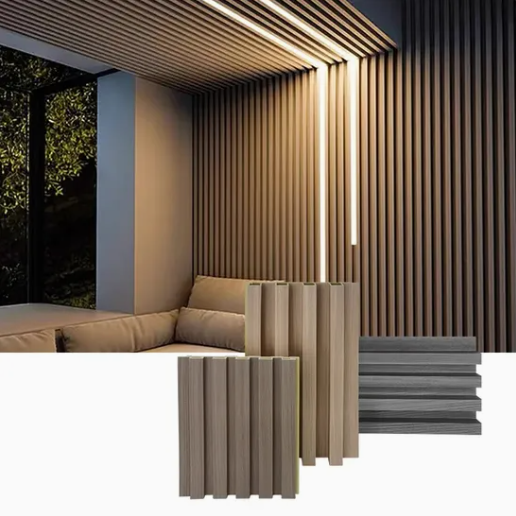
Southeast Asia is hot and humid year-round. The biggest enemy of ordinary wall materials is mold. Latex paint peels, wallpaper turns black on the back, and PVC panels grow mildew at the joints – almost every homeowner has experienced these problems.
Locally, PS panels are nicknamed “mold-proof”. Water absorption ≤0.5%, seamless surface, no place for moisture to penetrate. Adding a bead of waterproof caulk at the joints keeps bathroom dry zones and similar areas free of any mold spots for two or three years, even through the rainy season.
Growth logic: Not because the panels look beautiful, but because they solve the real misery of “having to scrape mold every year”.
Typical project: A developer of resort villas in Phuket, Thailand, specified PS panels for all bathroom dry zones and balcony walls. Wall-related warranty complaints dropped by 80%.
2. Middle East: Fire Certificate Is the Entry Ticket
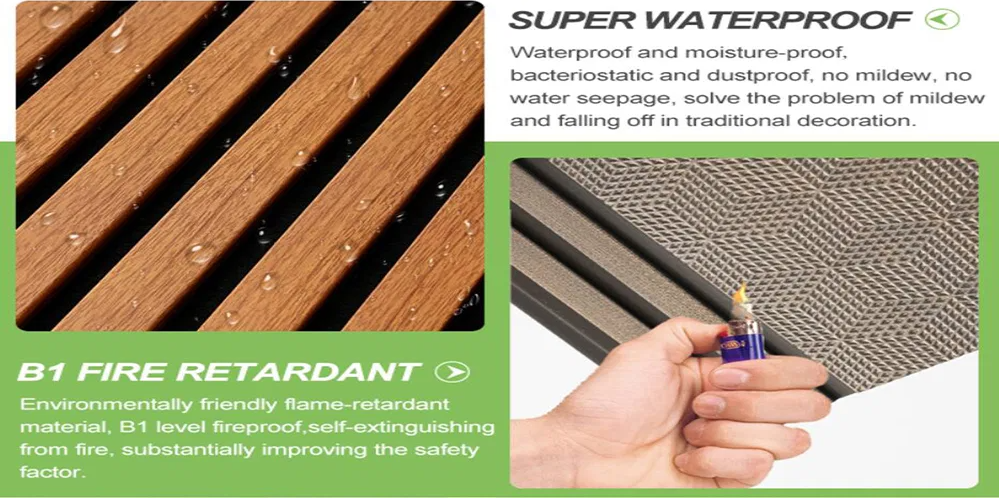
Civil defense authorities in Dubai, Saudi Arabia, Qatar, and elsewhere have clear requirements for the fire rating of interior wall materials. For densely occupied spaces such as hotels, apartments, and malls, wall materials must achieve B1 (difficult to ignite). PVC panels (B2/B3) are directly excluded from many projects, and latex paint and wallpaper cannot meet the requirement.
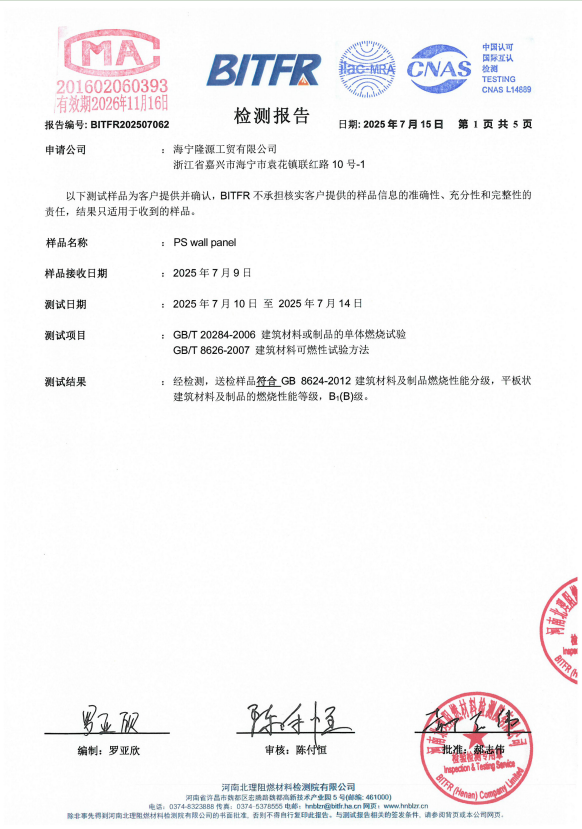
PS panels can achieve B1 – self-extinguishing, no flaming droplets, low smoke toxicity. This is not a “nice-to-have”; it’s a “qualification to bid”. Without a B1 report, you don‘t even get a chance to quote.
Growth logic: Not because the panels are cheap, but because other materials can’t enter the market.
Typical project: A new office building in Riyadh. The general contractor’s tender documents explicitly required that all public-area wall materials carry EN 13501-1 Class B-s1,d0 certification. The winning subcontractor chose PS panels. Material cost was slightly higher than PVC, but they saved the expense and time of applying additional fire-retardant coatings and re-testing.
3. Europe: Renovation + Environmental Regulations – A Two-Engine Driver
The EU‘s building renovation wave is accelerating. Large numbers of residential and public buildings from the 1950-1980 period need interior upgrades without structural demolition or relocating residents. At the same time, environmental certifications such as France’s A+, Germany’s Blue Angel, and the Nordic Swan set very low thresholds for formaldehyde and VOC emissions from building materials.
PS panels can be applied directly over old walls – no stripping, no dust, same-day completion – perfectly matching renovation scenarios. Their “not detected” formaldehyde, absence of plasticizers, and recyclability help them easily pass the strictest chemical tests.
Growth logic: Renovation demand is forcing changes in construction methods, and environmental regulations are forcing material upgrades. PS panels hit both trends.
Typical project: A social housing project in Berlin needed to renovate corridors and communal kitchens without moving residents out. The municipal authority specified zero-formaldehyde, B1-rated fast-install wall panels. The contractor chose PS panels, completing each floor in two days with zero resident complaints.
4. North America: DIY Culture Creates New Channels
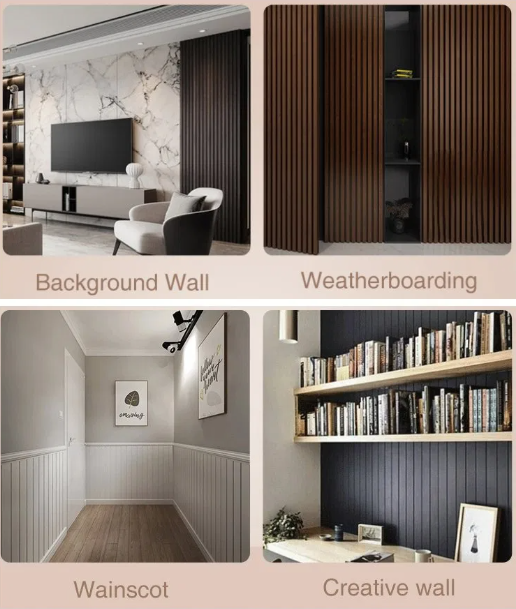
The North American market has a huge base of homeowners who are accustomed to doing their own renovations. Big-box stores such as Home Depot and Lowe‘s are the main sales channels. Products need to be lightweight, easy to cut, installable without specialized tools, and supported by clear video tutorials.
PS panels can be cut with a utility knife, installed with the adhesive method (only requiring a level and a caulk gun), and aligned automatically by the tongue-and-groove system. They weigh only one-fifth as much as ceramic tiles. These characteristics make them naturally suited for the DIY shelf. YouTube installation tutorials have single-video views exceeding two million.
Growth logic: Not driven by commercial projects, but by ordinary homeowners buying panels and installing them themselves.
Typical project: A Florida homeowner used PS panels on the walls of his basement home theater, produced a full installation video, and uploaded it to YouTube. It received massive views and shares, driving neighbors to follow suit.
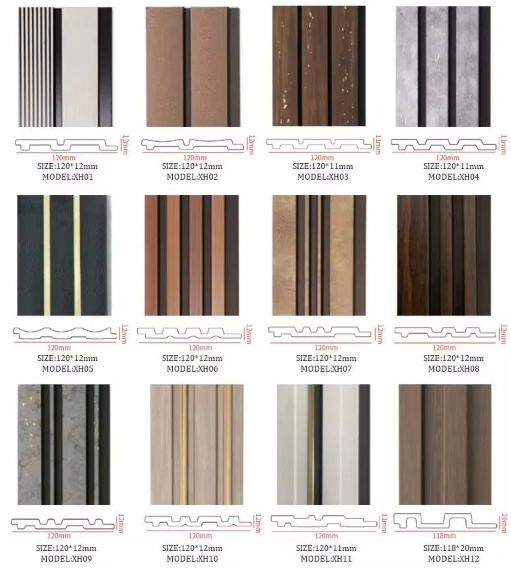
5. One Table – The Differences Across Four Major Markets
| Market | Primary Driver | Secondary Driver | Typical Customer | Price Sensitivity | Certificate Requirements |
| Southeast Asia | Mold resistance (≤0.5% absorption) | Easy cleaning | Developers, hotel owners | Medium-high | Low |
| Middle East | Fire rating (B1) | Fast installation (no downtime) | General contractors, government projects | Medium | Very high (B1/CE) |
| Europe | Renovation (no wall stripping) | Environmental (zero formaldehyde) | Housing associations, municipal projects | Medium-low | High (CE/A+) |
| North America | DIY (easy installation) | Durability (scratch resistance) | Homeowners | High | Low |
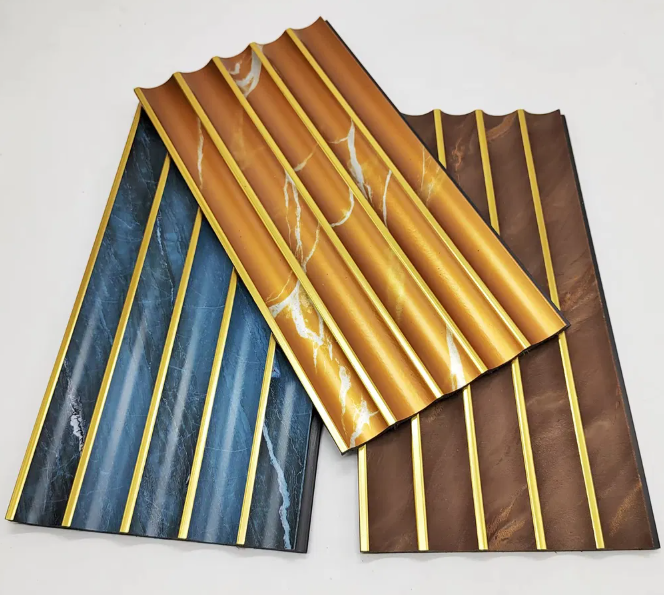
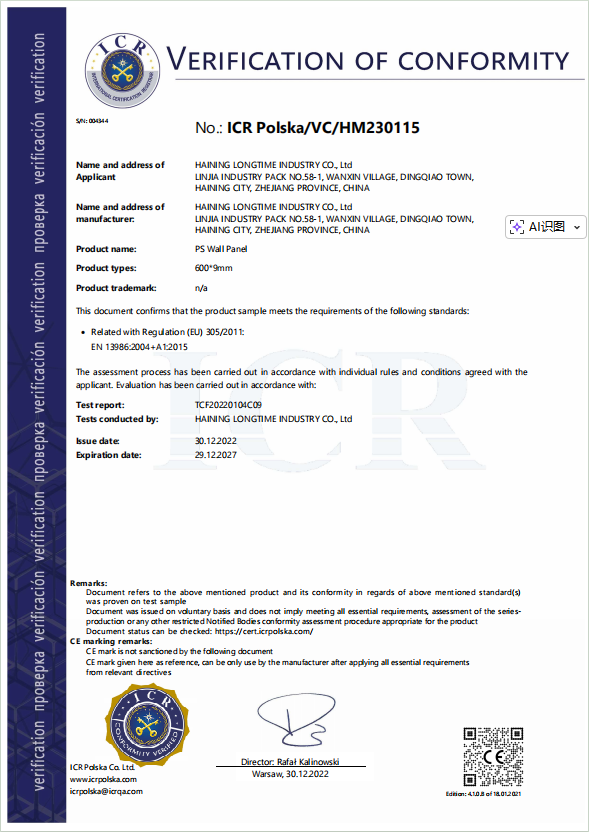
6.Product Qualification
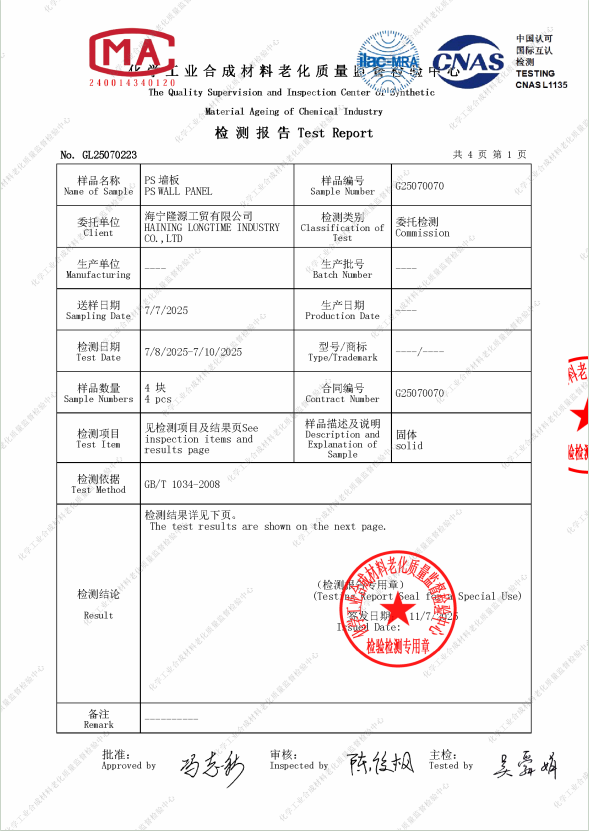
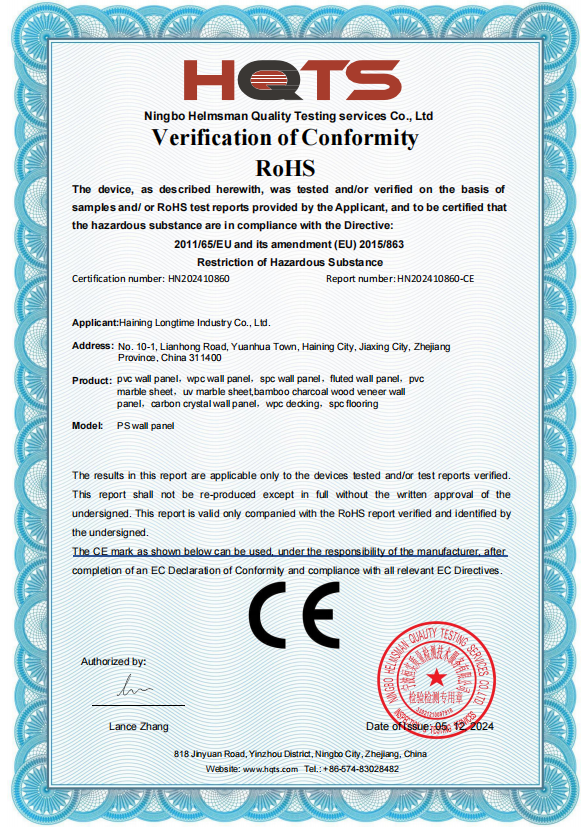
7. Conclusion
PS wall panels are not a “universal product”. They are a “multi-faceted product”. Their performance bundle is broad enough to hit different pain points in different markets. For exporters, the key is not to market the product as “good at everything”, but to tell each market the story they care about most.
Not every market is buying the same panel. But they are all buying – just for different reasons.
For samples, quotes or technical consultation, please contact:
- Official Website: http://www.ltpvcfactory.com
- WhatsApp: +86 17757302351
- Email: [email protected]
- Sample Policy: Free samples and brochures are provided, with freight collect.