

 English
 Español
The living room has evolved. No longer just a space for passive seating, it is now the command center for entertainment, family gatherings, and even remote work. At the heart of this transformation sits the television, and the wall behind it has become the canvas for interior expression. A thoughtfully designed media wall does more than just hold a screen; it defines the entire room's aesthetic, improves acoustics, and adds tangible value to your home.
This guide explores the most compelling media wall panelling ideas available today, focusing on three innovative materials: Wood Veneer PVC Wall Panels, Bamboo Charcoal PVC Wall Panels, and 3D Wall Panels. Whether you are planning a wood accent wall tv setup or exploring a fluted media wall for a luxury feel, this article provides the technical data and design wisdom you need.
The Rise of the Statement TV Background
Gone are the days of a simple painted rectangle behind the television. Today's homeowners and designers are treating the panel behind tv as an architectural feature. The trend is driven by larger screens — with media wall for 85 inch tv becoming a common search term — and a desire for texture and depth. Flat, monochrome walls cannot anchor a large screen; they make the TV appear like a floating black void. Paneling provides a visual frame, grounding the technology and making it a cohesive part of the decor.
Data from interior design trend reports indicate a 210% increase in searches for "textured wall panels" over the last three years, with "slat wall" and "fluted panel" leading the charge. This shift is not merely aesthetic; it is functional. Acoustic paneling, a subset of this trend, addresses the common issue of echoey living rooms with hard surfaces. A well-designed wood paneling behind tv can reduce flutter echoes and improve sound clarity, making your home theater experience more immersive.
Key Insight: The optimal panel height for a TV background is typically 1.5 to 2 times the height of the television itself. For an 85-inch TV (approximately 42 inches tall), the paneled area should extend at least 5 to 7 feet high, ensuring the visual weight is balanced and the wall feels complete.
Material Deep Dive: Wood Veneer, Bamboo Charcoal, and 3D Panels
Selecting the right material is the most critical decision in your media wall panelling ideas project. Each option offers distinct visual and functional benefits. Let us examine them through a technical and aesthetic lens.
Wood Veneer PVC Wall Panels: Timeless Warmth with Modern Durability
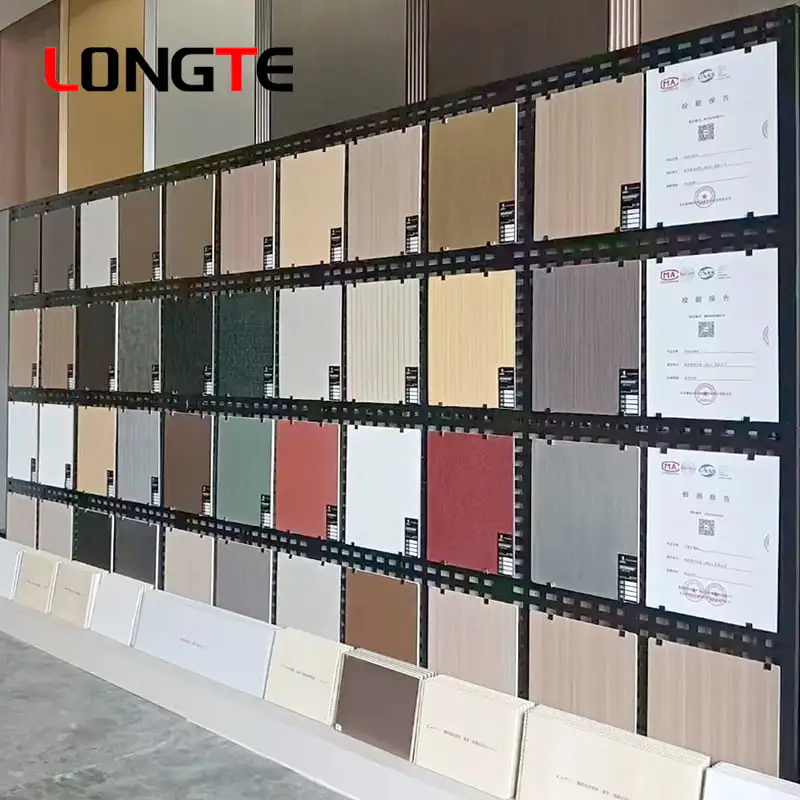
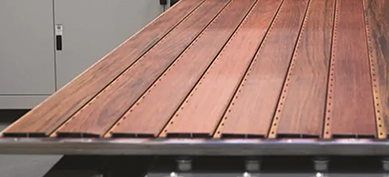
Wood Veneer PVC Wall Panels are the perfect compromise between nature and technology. They offer the authentic grain and warmth of real wood but with the resilience and ease of PVC. The veneer layer is real wood, meaning each panel is unique, yet the PVC backing ensures it will not warp or crack in varying humidity levels.
- Thermal Insulation: The PVC substrate provides a thermal break, helping to keep your wall surface slightly warmer in winter, which can reduce condensation around the TV.
- Light Reflectance: Veneers typically have a light reflectance (LRV) of 25-45%, which is ideal for a TV background. It reduces glare without absorbing too much light, keeping the room bright.
- Installation: These panels are lightweight and can be installed with adhesive or a simple mounting system, making them a favorite for DIY enthusiasts.
Bamboo Charcoal PVC Wall Panels: The Luxury of Sustainability
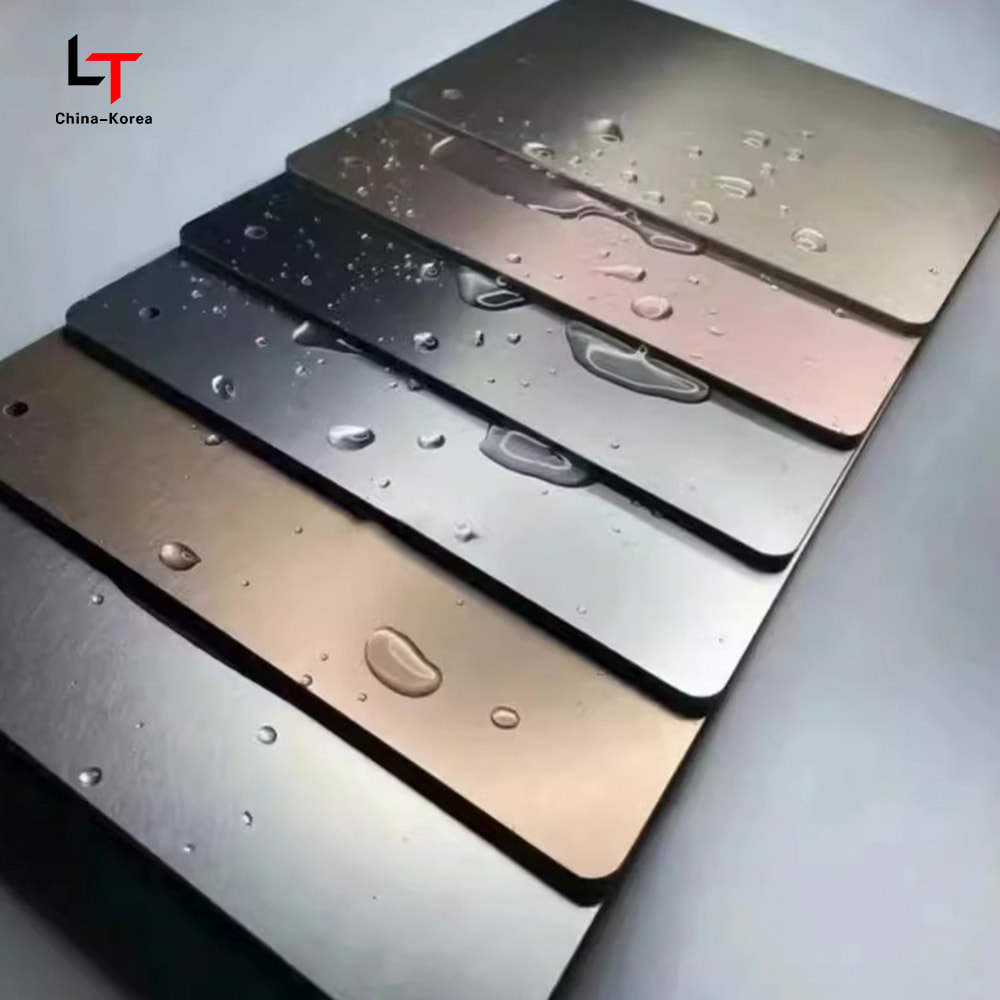
For those seeking a luxury charcoal panel living room aesthetic, Bamboo Charcoal PVC Wall Panels are a revolutionary choice. These panels incorporate bamboo charcoal powder into the PVC core, resulting in a deep, rich black or charcoal color that is not just a surface treatment but integral to the material.
- Air Purification: Bamboo charcoal has natural absorption properties. While the primary function is aesthetic, the material can absorb minor odors and excess moisture, contributing to a healthier indoor environment.
- UV Stability: These panels are highly resistant to fading, making them ideal for rooms with large windows. A black wall tv setup using bamboo charcoal panels maintains its deep, dramatic color for years.
- Texture: They often feature a subtle, organic texture that catches light beautifully, adding depth to a wooden panel media wall concept without using actual wood.
3D Wall Panels: Sculptural Drama for the Modern Home
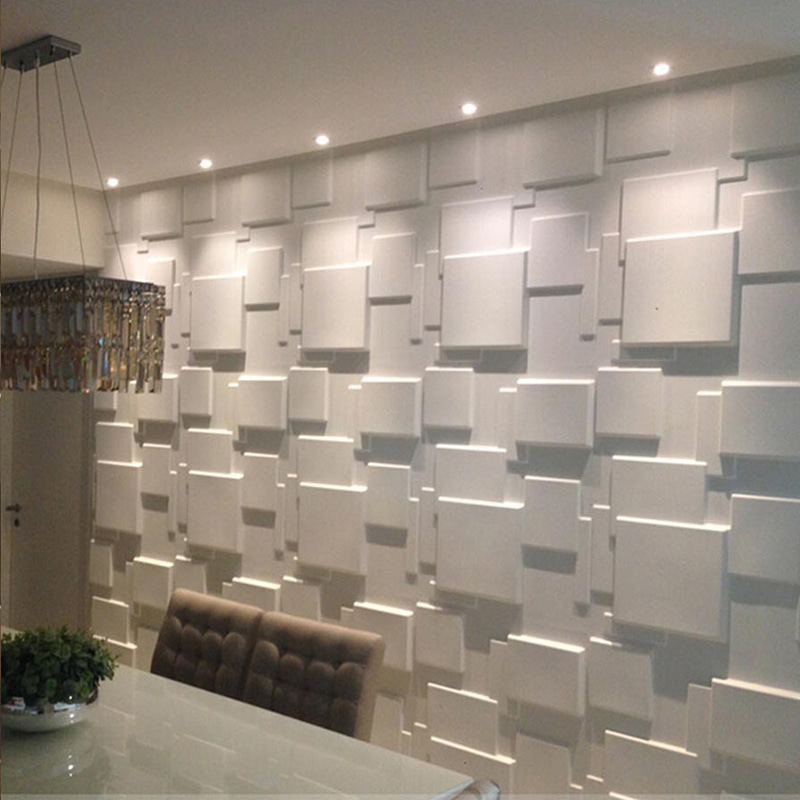
If you are looking to make a bold statement, 3D Wall Panels offer unparalleled geometric complexity. These panels are not flat; they feature waves, peaks, or geometric patterns that cast dramatic shadows, transforming a simple wood slat wall tv concept into a three-dimensional art installation.
- Acoustic Performance: The irregular surface of 3D panels is excellent for diffusing sound. They break up standing waves, making the audio from your soundbar or home theater system clearer and more detailed.
- Weight: Despite their size, these panels are lightweight (typically 2-3 kg per square meter), making them safe for wall mounting even in seismic zones.
- Versatility: They can be painted or left in their natural finish, allowing you to customize the look to match any modern media wall design.
Comparative Performance Analysis
To help you visualize the differences, we have compiled performance data across four critical metrics: Durability (resistance to scratches and impact), Acoustic Dampening (ability to reduce echo), Thermal Stability (resistance to warping from heat), and UV Resistance (color fastness).
Wood Veneer PVC
Durability: 8/10
Acoustic: 6/10
Thermal: 7/10
UV: 7/10
Bamboo Charcoal
Durability: 9/10
Acoustic: 7/10
Thermal: 8/10
UV: 9/10
3D Panels
Durability: 7/10
Acoustic: 9/10
Thermal: 6/10
UV: 6/10
Designing for the 85-Inch Television
An 85-inch TV is a dominant presence. It occupies roughly 74 inches in width and 42 inches in height. The media wall for 85 inch tv must not compete with it but rather complement it. Here is a proportional guide.
| Wall Size | Recommended Panel Area | Panel Type Suggestion |
|---|---|---|
| 120 inches (10 ft) | 100 x 60 inches | Fluted or vertical slats |
| 144 inches (12 ft) | 120 x 72 inches | Combination of veneer and 3D |
| 168 inches (14 ft) | 140 x 84 inches | Full charcoal panel with lighting |
For a wood slat wall tv setup, slats should be at least 2 inches wide with a 0.5-inch gap to create a rhythmic visual. For a black wall tv using bamboo charcoal, consider adding LED strip lighting behind the TV to create a halo effect, reducing eye strain.
Installation Workflow: A Step-by-Step Flowchart
Proper installation is key to achieving a professional finish. The following flowchart outlines the critical steps for mounting any PVC wall panel for TV background.
Cost-Benefit and Longevity Projections
Investing in a quality wooden panel media wall is a long-term commitment. Here is a projection of lifespan and maintenance requirements based on material science.
Bamboo charcoal panels show superior longevity due to their inherent resistance to UV degradation and moisture. Wood veneer panels, while offering a classic look, may require a fresh coat of protective finish after 8-10 years in high-traffic areas.
Radar Comparison: Holistic Material Performance
This radar chart provides a holistic view of how each material performs across five core criteria: Aesthetics, Durability, Acoustic, Ease of Installation, and Sustainability.
Frequently Asked Questions (FAQ)
Q1: What is the best panel for a media wall behind a TV?
The best panel depends on your priorities. For a warm, classic look with good durability, Wood Veneer PVC Wall Panels are excellent. For a dramatic, modern black wall tv aesthetic with superior longevity, Bamboo Charcoal PVC Wall Panels are ideal. For the best acoustic performance and sculptural impact, 3D Wall Panels are the top choice.
Q2: How do I choose the right panel height for an 85-inch TV?
The paneled area should extend roughly 1.5 to 2 times the height of the TV. For an 85-inch TV (42 inches tall), aim for a panel height of 60 to 84 inches. This ensures the TV is visually grounded and the wall does not look empty.
Q3: Can PVC wall panels support the weight of a large TV?
PVC wall panels themselves are not load-bearing. The TV mount must be anchored directly into the wall studs. The panels are typically installed around or behind the bracket, so the TV's weight is transferred to the structural wall, not the panels.
Q4: How do I clean PVC wall panels behind the TV?
PVC panels are low-maintenance. Use a soft microfiber cloth and a mild soap solution. Avoid abrasive cleaners or scouring pads, which can damage the surface finish. For bamboo charcoal panels, a dry dusting is often sufficient.
Q5: Are bamboo charcoal panels really better for air quality?
Bamboo charcoal has natural porous properties that can absorb odors and excess moisture. In a living room setting, this can contribute to a fresher environment, though they should not be considered a substitute for a dedicated air purifier.