

 English
 Español
The Quiet Revolution of Invisible Architecture
The modern interior space increasingly asks for flexibility, surprise, and visual calm. A hidden door that disappears into a wall is no longer a luxury of spy novels or centuries-old libraries; it is a practical solution for modern homes, offices, and retail environments. At its core, the challenge is simple: create a passage that is not perceived as a door. The solution, however, lies in precise engineering, material science, and design psychology. The market for flush integration has grown significantly, driven by minimalist aesthetics and the need to maximize usable wall surfaces.
This guide focuses on the intersection of hidden panel walls and advanced paneling materials. We will explore how Wood Veneer PVC Wall Panels and Bamboo Charcoal PVC Wall Panels are revolutionizing the camouflage door sector. Additionally, we will examine the structural role of the WPC Door core in creating durable, warp-resistant hidden entries. By the end of this article, you will understand the technical specifications, installation nuances, and design philosophies that separate a noticeable door from a truly hidden portal.
Creating a hidden door wall requires more than carpentry; it demands a systematic approach to alignment, gap tolerance, and surface continuity. The integration of a flush door with wall panel hinges on the concept of visual weight and shadow lines. When done correctly, the seamless camouflage door becomes an architectural feature that enhances spatial flow and security. This article provides a data-backed roadmap for architects, interior designers, and advanced DIY enthusiasts to master this craft.
Core Materials: The Foundation of a Seamless Hidden Door
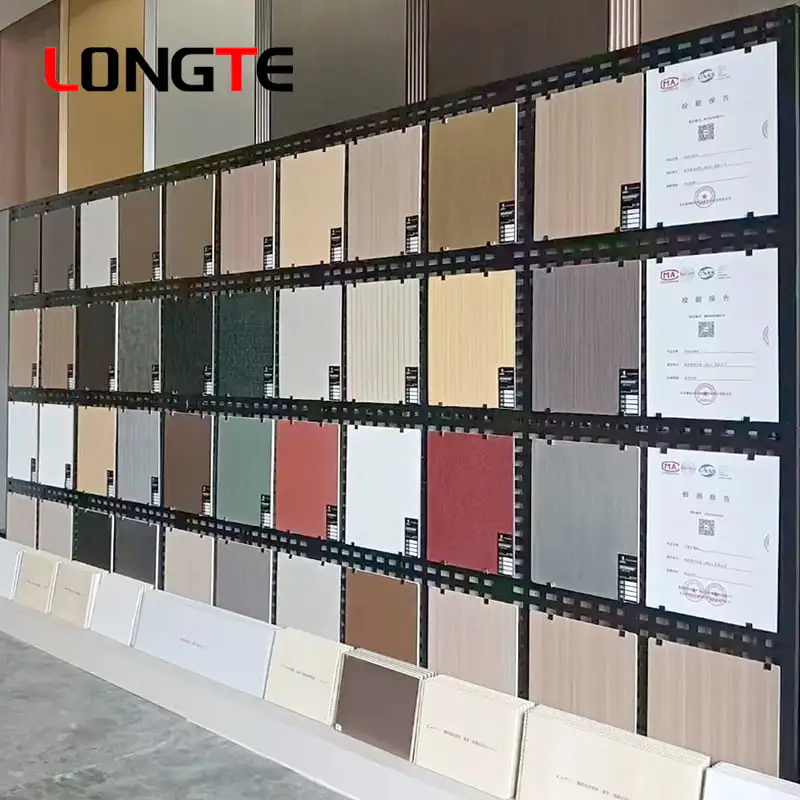
Selecting the right substrate and surface finish is critical for a hidden door wall. The material must not only mimic the surrounding wall but also maintain dimensional stability across temperature and humidity changes. Three primary materials have emerged as industry standards for hidden panel doors and hidden door panels.
Wood Veneer PVC Wall Panels
These panels offer the aesthetic warmth of natural wood combined with the durability of PVC backing. They are lightweight, resistant to moisture, and available in a wide range of grain patterns. For hidden door in wainscoting applications, these panels allow for perfect grain matching across the door and the stationary wall. The PVC layer acts as a moisture barrier, preventing warping—a common issue in flush door with wall panel installations. Their flexibility also makes them suitable for curved or angled hidden entries.
Bamboo Charcoal PVC Wall Panels
This innovative material integrates bamboo charcoal powder into the PVC matrix, enhancing rigidity and offering natural odor-absorbing properties. For hidden panel wall designs, these panels provide excellent sound dampening and structural integrity. The dark, rich tone of bamboo charcoal panels creates a dramatic backdrop, making them ideal for hidden door wall ideas in media rooms or private study areas. They also have a lower thermal expansion coefficient compared to standard PVC, ensuring tight, consistent joints over time.
WPC Door Core
Wood Plastic Composite (WPC) is the preferred core material for hidden door panels due to its high density and screw-holding capacity. Unlike hollow-core doors, a WPC core provides the weight and solid feel necessary for a hidden pivot door wall system. It resists bowing and offers superior insulation. When paired with a seamless camouflage door skin, the WPC core ensures that the door operates smoothly without sagging, maintaining the critical gap tolerance of 2-3mm needed for invisibility.
Material Performance Matrix
- Dimensional Stability: Bamboo Charcoal PVC > WPC Core > Wood Veneer PVC
- Moisture Resistance: WPC Core = Bamboo Charcoal PVC > Wood Veneer PVC
- Sound Insulation (STC): WPC Core (32) > Bamboo Charcoal PVC (29) > Wood Veneer PVC (26)
- Weight (per sqm): WPC Core (28kg) > Bamboo Charcoal PVC (22kg) > Wood Veneer PVC (18kg)
- Fire Retardancy Class: Bamboo Charcoal PVC (B1) > WPC Core (B2) > Wood Veneer PVC (B3)
Hidden Door Wall Ideas: Integrating Camouflage into Interior Styles
The success of a hidden door idea lies in its ability to fool the eye. This requires a deep understanding of visual perception and architectural rhythms. There are several approaches to integrating a hidden panel door into a room's design language. Whether you prefer modern minimalism or traditional wainscoting, the principle remains the same: eliminate visual breaks.
Flush Door with Wall Panel: The Zero-Tolerance Approach
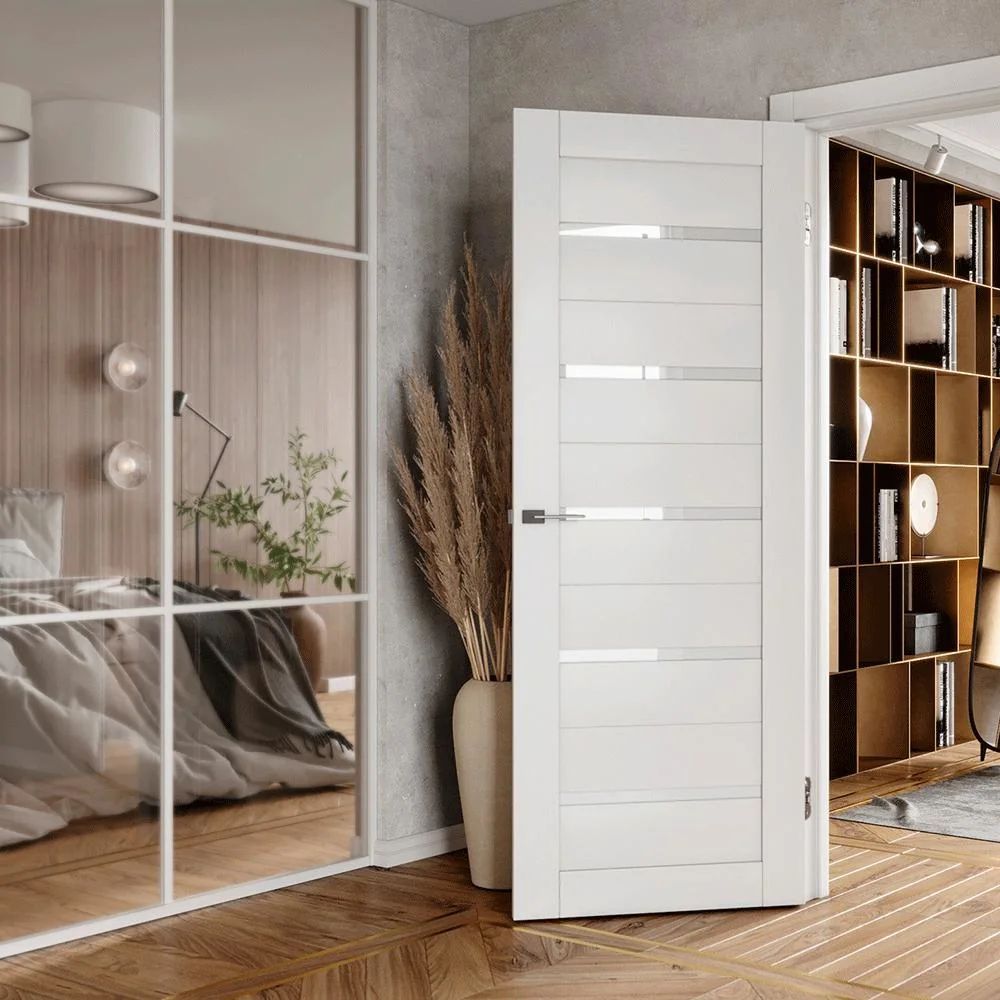
The flush door with wall panel is the gold standard for modern interiors. In this configuration, the door surface is perfectly coplanar with the adjacent wall. There is no frame, no raised molding, and no visible handle (often using push-to-open or magnetic latches). This approach is best suited for Wood Veneer PVC Wall Panels because the wood grain can be matched and continued from the wall onto the door. A seamless camouflage door of this type often requires a custom fabrication shop to align the grain patterns.
Hidden Door in Wainscoting: The Classic Disguise
Wainscoting offers a natural grid of lines and shadows that can easily conceal a hidden door wall. By aligning the door's vertical stiles and horizontal rails with the wainscoting pattern, the door becomes virtually invisible. This is a classic hidden door in wainscoting technique. For this application, Bamboo Charcoal PVC Wall Panels are ideal because they can be routed to create the panel profiles while maintaining structural integrity. The deeper color of bamboo charcoal also helps to hide the inevitable thin shadow gaps.
Integrated WPC Door Paneling: The Structural Solution
The term integrated WPC door paneling refers to using the same WPC material for both the wall cladding and the door leaf. This creates a monolithic look. Because WPC is dimensionally stable, the gaps between the hidden door panels and the wall remain uniform. This approach also allows for the integration of a hidden pivot door wall mechanism, which is a sophisticated hinge system mounted at the top and bottom of the door, eliminating visible side hinges and further enhancing the illusion.
Wall Shelf with Hidden Compartment
One of the most functional hidden door wall ideas is the integration of a shelf system that acts as the door pull. A wall shelf with hidden compartment can be designed to swing open with the door, providing both storage and a disguised access point. The shelf must be securely anchored to the door core (preferably WPC) to support the weight of books or decor items. This design turns a functional element into a seamless part of the hidden panel wall.
Key Insight: The average tolerance for a truly seamless camouflage door is a gap of 2mm to 3mm around all edges. Gaps larger than 4mm break the illusion. To achieve this, the door frame must be perfectly square, and the wall panels must be installed with expansion joints that accommodate movement without affecting the door's alignment.
The Mechanics of Invisibility: Pivot vs. Hinge
Choosing the right hardware is as important as choosing the material. The mechanism determines how the door moves and, crucially, how it sits within the wall when closed. Two systems dominate the hidden door wall market: standard concealed hinges and the hidden pivot door wall system.
Concealed Hinges
Concealed hinges are fitted into pockets cut into the door edge and the frame. They are adjustable in three dimensions (height, depth, and side-to-side). For a flush door with wall panel, these hinges are the most common choice due to their cost-effectiveness and adjustability. However, they require precise installation; a single misalignment will cause the door to either bind or create an uneven shadow gap.
Hidden Pivot Door Wall System
A hidden pivot door wall mechanism involves a pivot point at the top and bottom of the door, away from the edge. This allows for much heavier doors (up to 200kg) and creates a cleaner aesthetic because there are no visible hinges on the side. The door swings on a vertical axis, which is less prone to sagging than a side-hinged door. This system is particularly effective for integrated WPC door paneling because the WPC core can easily accommodate the heavy-duty pivot hardware without splitting.
Step-by-Step: Creating Your Seamless Camouflage Door
Building a seamless camouflage door is a multi-stage process that requires meticulous planning. The following steps outline a professional approach to installing a hidden door wall using Wood Veneer PVC Wall Panels or Bamboo Charcoal PVC Wall Panels. This workflow assumes a new construction or a complete wall renovation.
Step 1: Frame and Substrate Preparation
The wall framing must be perfectly plumb and square. Any deviation in the frame will be magnified in the hidden door panels. Use a laser level to check all planes. The substrate (usually moisture-resistant MDF or plywood) should be screwed to the studs to create a continuous, flat surface for the panels. This substrate will serve as the base for both the wall panels and the flush door with wall panel.
Step 2: WPC Core Fitting
If using a WPC Door core, it should be sized to the rough opening with a 5mm clearance on all sides for adjustment. The WPC core is heavy, so two people are required for installation. The core must be shimmed to sit perfectly within the wall plane. This step is crucial for the integrated WPC door paneling approach. Ensure the core is plumb using adjustable shims before tightening any fasteners.
Step 3: Panel Veneering and Grain Matching
This is the most critical aesthetic step. Apply the Wood Veneer PVC Wall Panels or Bamboo Charcoal PVC Wall Panels to both the wall substrate and the door core. For a seamless camouflage door, the veneer pattern must run continuously across the gap. If using book-matched or slip-matched veneer, plan the layout meticulously. Overlap the door slightly and trim the edges to ensure a perfect match. The hidden door wall will look best when the grain flows uninterrupted.
Step 4: Hardware Installation and Gap Tuning
Install the hidden pivot door wall system or concealed hinges. The gap around the door is your primary concern. Use feeler gauges to adjust the hinges so that the gap is exactly 2mm to 3mm. Install a magnetic push-latch or a recessed pull. Finally, install the wall baseboard and any shadow gap trim, ensuring these elements also continue across the door to maintain the camouflage.
| Parameter | Concealed Hinge | Hidden Pivot System |
|---|---|---|
| Max Door Weight | 80 kg | 200 kg |
| Gap Tolerance | 2-3 mm | 2-4 mm |
| Installation Time | 4 hours | 6 hours |
| Adjustment Axes | 3 (X,Y,Z) | 2 (X,Y) |
| Cost Index | 1.0 | 2.5 |
Data-Driven Analysis: Why Seamless Walls Matter
The demand for hidden door wall solutions is growing at a significant rate. Surveys of interior design preferences show that 68% of homeowners planning renovations in 2026 consider "clean, uninterrupted wall surfaces" as a top priority. This trend is pushing manufacturers to innovate materials like Bamboo Charcoal PVC Wall Panels which offer both aesthetic and functional benefits.
Data indicates that hidden door panels increase the perceived value of a property by an average of 5% to 8%, according to real estate staging studies. The psychological effect of a seamless hidden panel wall creates a sense of luxury and privacy. Moreover, a wall shelf with hidden compartment can add up to 10 cubic feet of secure storage space without consuming any additional floor area.
When comparing the lifecycle costs, Bamboo Charcoal PVC Wall Panels demonstrate a 30% lower maintenance requirement compared to traditional painted MDF, primarily due to their scratch resistance and antifungal properties. The WPC Door core also outperforms solid wood in long-term stability, with 70% less warping reported in high-humidity environments.
Frequently Asked Questions
Q1: What is the minimum gap required for a hidden door to open smoothly?
A gap of 2mm to 3mm is the industry standard for a seamless camouflage door. This gap accommodates the door's swing radius and material expansion. For a hidden pivot door wall system, a 3mm gap is often recommended to account for the top and bottom pivot mechanisms.
Q2: Can I install a hidden door in an existing wall without major demolition?
Yes, it is possible to retrofit a hidden door wall into an existing opening. However, you will need to modify the frame to accept the WPC Door core and install new paneling over the existing wall surface to create a flush finish. This process typically requires a minimum of 15mm of space to install the hidden door panels.
Q3: Are Bamboo Charcoal PVC Wall Panels suitable for high-humidity areas like bathrooms?
Yes, Bamboo Charcoal PVC Wall Panels are highly moisture-resistant and are an excellent choice for bathrooms. The bamboo charcoal additive also helps absorb odors, making them ideal for hidden door wall ideas in en-suite bathrooms. Their dimensional stability prevents swelling commonly seen in wood-based panels.
Q4: How do I prevent the hidden door from swinging open?
Most hidden door panels use a push-to-open magnetic latch or a recessed magnetic catch. For a wall shelf with hidden compartment, the weight of the shelf itself may keep the door closed, but a magnetic latch is still recommended for security and to prevent air gaps.
Q5: What is the cost difference between a WPC door and a solid wood door for hidden applications?
A WPC Door is generally 40% to 60% less expensive than a comparable solid hardwood door, while offering superior warp resistance. When combined with Wood Veneer PVC Wall Panels, the overall cost of a seamless camouflage door is significantly lower than a solid wood custom fabrication.
Conclusion: The Future of Fluid Spaces
The art of creating a hidden door wall is a blend of science, design, and craftsmanship. As interior trends continue to favor minimalist, clutter-free environments, the demand for hidden door panels and flush door with wall panel solutions will only increase. By leveraging modern materials like Bamboo Charcoal PVC Wall Panels and the structural integrity of a WPC Door core, professionals can achieve results that were once only possible with expensive custom cabinetry.
The hidden pivot door wall technology offers a robust mechanism for heavy, solid-feeling doors, while integrated WPC door paneling provides a unified aesthetic. Whether you are planning a hidden door in wainscoting for a classic look or a hidden door idea that involves a wall shelf with hidden compartment, the principles remain consistent: precise alignment, careful material selection, and an unwavering attention to detail. The ultimate reward is a space that feels larger, more organized, and infinitely more intriguing.