

 English
 Español
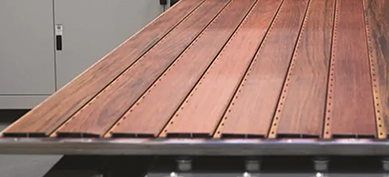
The wood veneer PVC wall panel has become a preferred choice for modern interior design due to its combination of aesthetic appeal, durability, and ease of maintenance. Despite its resilience, prolonged exposure to sunlight, humidity, and everyday wear can lead to fading or discoloration of its surface.
Understanding fading in wood veneer PVC wall panel
Fading in wood veneer PVC wall panel generally occurs due to environmental and operational factors. Exposure to direct sunlight can break down pigments and surface coatings, leading to color deterioration. Similarly, prolonged contact with moisture or humidity can affect the adhesive layers and the veneer finish, causing discoloration or blotching. Daily wear, cleaning with abrasive materials, and chemical exposure can also contribute to the gradual loss of the panel’s original finish.
Identifying the type of fading is crucial before attempting restoration. Fading may appear as:
- Surface dullness, where the panel loses its shine but retains the original color.
- Color shift, where the panel changes hue due to UV exposure.
- Stains or blotches, often caused by moisture penetration or improper cleaning.
Assessing the condition of the panel before restoration
Before any restoration work, a thorough assessment of the wood veneer PVC wall panel is necessary. This involves inspecting the entire panel surface to determine the extent of fading and damage. Important points include:
- Surface texture inspection: Determine if the veneer is peeling or cracking. Restoration may not be feasible for panels with structural damage.
- Color uniformity check: Identify areas where fading is most pronounced to focus restoration efforts.
- Moisture evaluation: Panels exposed to high humidity may require drying before restoration.
Proper assessment ensures that restoration methods are applied effectively without causing further damage.
Cleaning and preparation of wood veneer PVC wall panel
Restoring the color or finish of wood veneer PVC wall panel begins with thorough cleaning and surface preparation. Dirt, dust, and oils can prevent treatments from adhering evenly, so it is important to follow a careful cleaning process.
- Dust removal: Use a soft, dry cloth or a microfiber duster to remove loose dirt and debris.
- Surface cleaning: Apply a mild, non-abrasive detergent mixed with water to gently wipe the panel. Avoid harsh chemicals that may further fade the finish.
- Drying: After cleaning, ensure the panel is completely dry. Moisture can compromise the effectiveness of restoration treatments.
Note: Avoid using abrasive pads or brushes, as these can scratch the surface and accelerate fading.
Techniques for restoring color in wood veneer PVC wall panel
Several methods can be used to restore the color or finish of wood veneer PVC wall panel, depending on the severity of fading and the type of surface.
1. Use of specialized restoration polishes
Specialized restoration polishes designed for PVC surfaces can enhance color and shine. These products often contain light-reflecting agents that temporarily improve the appearance of faded panels. Key steps include:
- Apply a small amount of polish to a soft cloth.
- Gently rub the polish onto the panel in circular motions.
- Buff the surface with a clean cloth to enhance gloss.
This method is ideal for panels experiencing minor fading or surface dullness.
2. Application of color-restoring oils or waxes
Some wood veneer PVC wall panel surfaces benefit from color-restoring oils or waxes. These products penetrate the veneer layer, replenishing color and enhancing texture. Application involves:
- Ensuring the panel is clean and dry.
- Applying a thin layer of oil or wax using a soft cloth.
- Allowing the product to sit for a few minutes before buffing to a smooth finish.
Regular application can prevent future fading and maintain the panel’s natural appearance.
3. Touch-up markers and paints
For panels with localized fading or scratches, touch-up markers or compatible paints provide a precise solution. Steps include:
- Selecting a color that closely matches the panel’s original finish.
- Applying the marker or paint carefully to the affected area.
- Allowing it to dry completely before buffing lightly for consistency.
This approach is particularly effective for decorative panels with intricate designs.
4. Re-coating or sealing
In cases of extensive fading, a more comprehensive approach is required. Re-coating or sealing involves applying a protective finish over the entire panel surface to restore both color and durability.
- Use a compatible clear coat or varnish suitable for PVC surfaces.
- Apply evenly using a brush or spray, following the manufacturer’s instructions.
- Allow sufficient drying time before using the space.
Re-coating not only restores color but also enhances resistance to future fading and environmental damage.
Preventing future fading in wood veneer PVC wall panel
Restoration alone is not enough; preventive measures are essential to prolong the life and appearance of wood veneer PVC wall panel. Key strategies include:
- UV protection: Limit direct sunlight exposure by using curtains or UV-filtering window films.
- Humidity control: Maintain indoor humidity levels to prevent moisture-induced color changes.
- Regular cleaning: Use soft, non-abrasive cleaning tools and avoid harsh chemicals.
- Protective coatings: Apply maintenance polishes or waxes periodically to maintain gloss and color.
Highlight: Implementing these preventive steps significantly reduces the frequency of restoration and preserves the panel’s original aesthetic.
Maintenance practices for long-term preservation
In addition to preventive measures, ongoing maintenance practices play a crucial role in keeping wood veneer PVC wall panel in optimal condition. Recommended practices include:
- Conducting periodic inspections to identify early signs of fading.
- Cleaning panels gently on a regular schedule to remove dust and dirt accumulation.
- Avoiding the placement of heavy or sharp objects against the panel to prevent scratches.
- Using soft cloths for dusting and polishing rather than brushes or abrasive materials.
These practices ensure that the panel retains its color and finish over many years, reducing the need for frequent restoration.
Environmental considerations
Choosing wood veneer PVC wall panel with a high-quality finish ensures both aesthetic appeal and environmental compatibility. While restoration helps extend the life of panels, environmentally conscious buyers may also consider:
- Selecting panels with low VOC (volatile organic compounds) content.
- Using water-based restoration polishes and coatings to minimize environmental impact.
- Recycling or responsibly disposing of panels that can no longer be restored.
Emphasis: Maintaining a balance between restoration, preservation, and environmental responsibility is key to sustainable interior design.
Summary
The wood veneer PVC wall panel offers a versatile, attractive solution for modern interiors. While fading is a natural outcome of exposure to sunlight, humidity, and daily wear, proper assessment, cleaning, and restoration techniques can successfully restore the panel’s color and finish. Methods such as specialized polishes, color-restoring oils, touch-up markers, and re-coating provide effective solutions depending on the severity of fading.
Preventive measures and routine maintenance are essential to extend the life of the panel and reduce the need for restoration. With careful attention to environmental conditions and cleaning practices, the wood veneer PVC wall panel can maintain its aesthetic appeal and functional performance over time.