

 English
 Español
From Selection to Installation: Real Experience Sharing on WPC Wall Panels
Renovation often leads to regrets. Choosing gold grout for tiles, regretting it. Painting a wall in a trendy color, getting tired of it after three months. Buying cheap panels to save money, only to see the edges peel after two years.
Walls are especially important. They take up most of the visible area in a room. If you make a wrong choice, the cost of tearing it down and redoing it is very high.
WPC wall panels have gained attention as a new material in recent years. But online information is mixed. Some say it perfectly replaces solid wood. Others say it is still plastic. What is the real situation? This article avoids complex jargon. It tells you, from a practical perspective, what scenarios WPC wall panels are suitable for, how to choose them without making mistakes, and what to pay attention to during installation.
1. What are the best use cases for WPC wall panels?
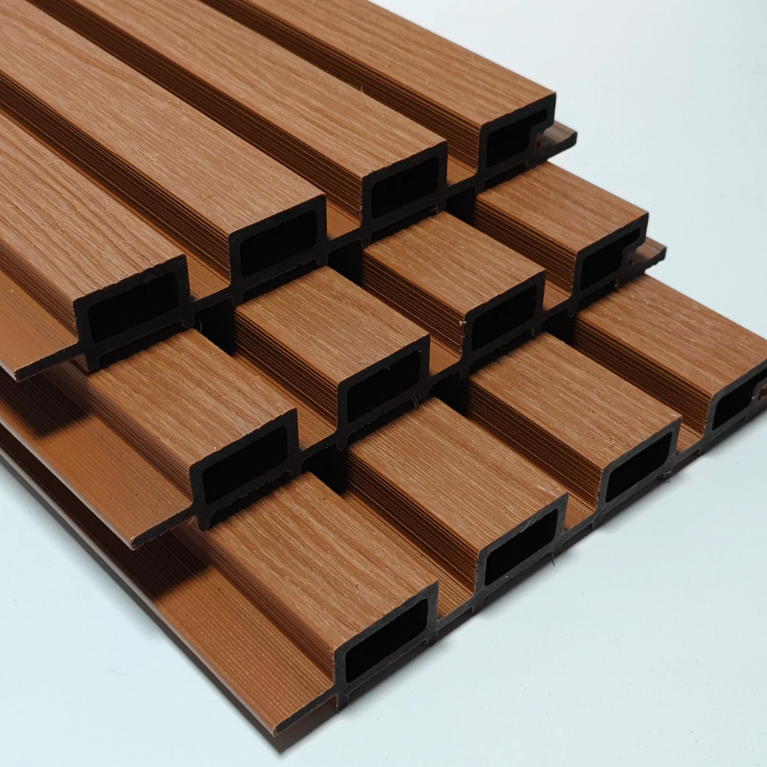
Based on many real cases, the following three scenarios see the best results and cost performance with WPC panels.

Scenario 1: Wood-grain walls in bathrooms and kitchens
Many people like Japanese or log-style decor and want wood-grain walls even in the bathroom. But solid wood in a humid environment will inevitably deform and turn black. Even with waterproof paint, it only lasts two or three years. PVC imitation wood-grain panels are waterproof, but they have a plasticky feel and can warp under high temperatures.
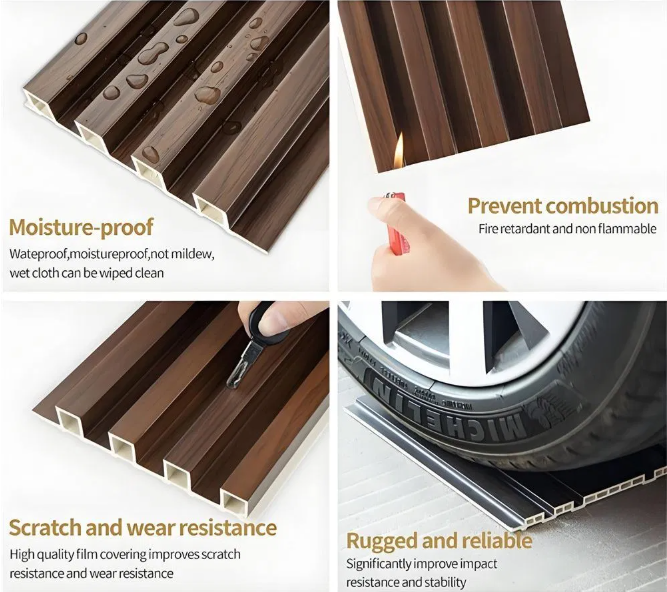
WPC panels are almost a perfect solution in this scenario. They are 100% waterproof, have very realistic wood-grain surfaces, and are not as cold as ceramic tiles. In winter, if you accidentally touch the wall while showering, it does not feel cold. For kitchen backsplashes, grease can be wiped off easily with a damp cloth.
Scenario 2: Moisture-proof walls in basements or ground floors
The biggest problem with ground floors and basements is dampness. Ordinary wallpaper will bubble and mold within half a year. Latex paint peels easily. Solid wood wainscoting is out of the question. Because WPC panels do not absorb moisture at all, installing them on a concrete substrate provides excellent moisture isolation and makes the basement look like a normal wooden room.
Scenario 3: Balconies or exterior walls
Although enclosed balconies are not directly rained on, they suffer from high summer heat and low winter temperatures. Ordinary panels crack easily. Solid wood exterior panels require wood wax oil every six months – many people stick with it for the first year, then neglect it, and by the third year the wood starts to rot. UV-resistant WPC panels can be installed directly on balcony walls or building facades. Years later, all they need is a rinse to remove dust – no repeated coating.
2. Four common pitfalls when buying
The WPC wall panel market is still developing, and quality varies significantly among manufacturers. The following four issues are the most common.
Pitfall 1: Indoor panels sold as outdoor UV-resistant ones
Indoor WPC panels lack sufficient UV and anti-aging additives. Installed outdoors, they will noticeably fade within about half a year – light colors turn yellow, dark colors turn gray. Some sellers claim “indoor and outdoor use” to move products, but the panels cannot withstand sun exposure.
Solution: For outdoor use, ask the supplier for a UV resistance test report, or choose models explicitly marked “outdoor use” with a warranty of five years or more.
Pitfall 2: Too thin, insufficient strength
The thickness of WPC panels directly affects bending strength and durability. For indoor walls, 5-9mm is generally enough. For outdoor walls or load-bearing walls, 12mm or more is recommended. Some low-cost products cut thickness to 4mm or even less to save material. Such panels can break easily during installation and may deform over time.
When buying, ask for the exact thickness, or get a sample and try bending it with your hands to feel the strength.
Pitfall 3: Wood grain is printed, not embossed
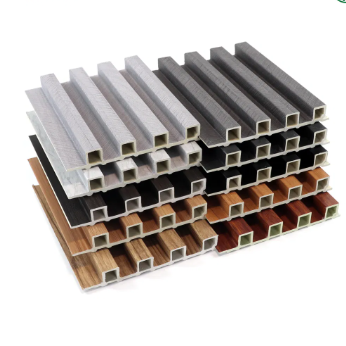
Good WPC panels have wood grain that is embossed onto the surface using 3D molds. You can feel the texture when you run your finger over it. Cheap products print a wood-grain layer on a smooth surface – it feels flat, looks fake, and the printed layer may peel or wear off after a few years.
Simple check: gently scratch the surface with your fingernail. Embossed texture will not change. Printed patterns may lose color or show peeling.
Pitfall 4: Insufficient additives, poor mold resistance
Although the WPC substrate itself does not absorb water, if dirt accumulates in surface grooves and stays damp, low-quality products can still develop surface mold. Good manufacturers add anti-mold additives to the raw materials and pass SGS mold tests. If the price is significantly lower than the market average, it is likely that these additives have been omitted.
3. Three installation details to pay attention to
Detail 1: Furring strip spacing not too wide
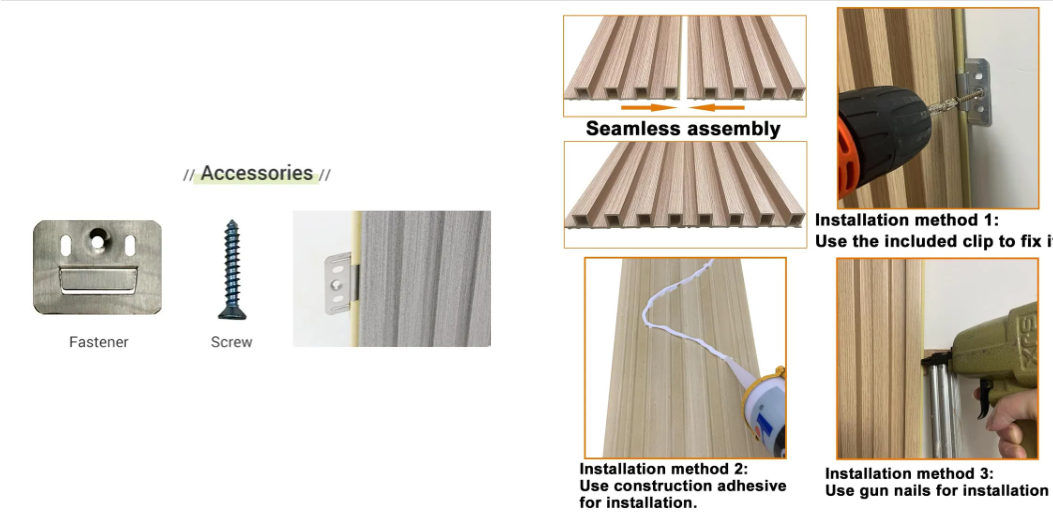
If using furring strips (wooden or light-gauge steel), keep the spacing between 40-60 cm. Too wide a spacing leaves the panel unsupported in the middle, which may cause sagging or noises over time.
Detail 2: Leave expansion gaps
WPC has a much lower coefficient of thermal expansion than pure plastic, but it still exists. Leave a 1-2 mm gap between panels during installation, or use special clips that allow slight movement. Completely locking the panels in place may cause slight buckling under extreme temperatures.
Detail 3: Provide drainage for outdoor installation
Outdoor walls, unlike indoor walls, are not protected by eaves. Rainwater runs down the wall. When installing WPC panels outdoors, leave a gap at the bottom (2-3 cm recommended) or install a drainage channel to prevent water from pooling at the base. Although WPC is waterproof, long-term standing water can lead to dirt buildup on the back that is hard to clean.
4. Real experience after one year of use
We have followed more than a dozen users who installed WPC wall panels, with usage periods ranging from six months to two years. Common feedback includes:
- Bathroom and kitchen walls are the most satisfying. Initially concerned about wood grain in a humid environment, after one year there is almost no difference from new.
- Outdoor balcony walls show slight fading, but within normal expectations. The UV-resistant model came with a five-year warranty; after one and a half years, it is still fine.
- Cleaning is indeed convenient. Water stains from showers leave marks, but they wipe off easily with a damp cloth – easier than ceramic tiles.
- Installation cost is slightly lower than tiling, higher than painting. But considering no future maintenance expenses, overall it is cost-effective.
Some users also reported issues: panels damaged during shipping, with chipped corners. WPC is harder than pure plastic but more brittle than solid wood. Handle carefully during transport and installation. It is recommended to buy an extra 5% as spare boards.
5. Summary: Who should buy WPC wall panels?
If you meet any two of the following criteria, WPC wall panels are worth serious consideration:
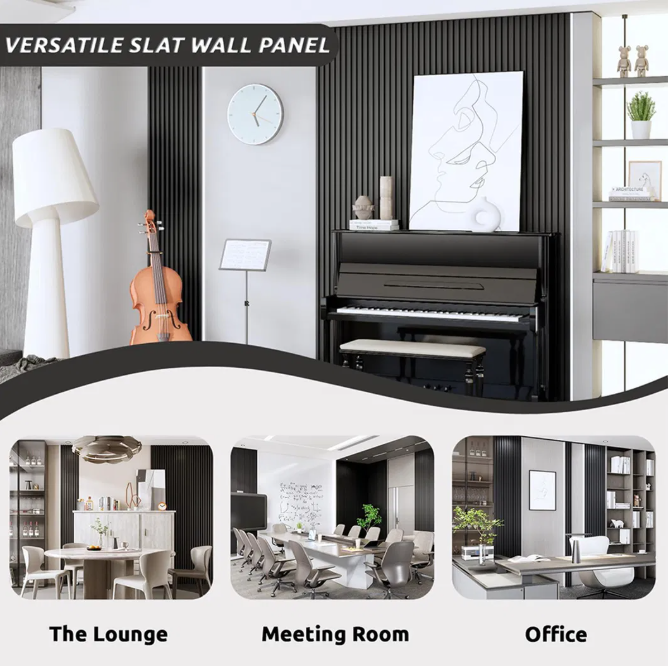
- You want a wood-grain wall but do not want the fragility and high maintenance of solid wood.
- You are renovating a bathroom, kitchen, basement, balcony, or other humid or semi-outdoor area.
- You live on the southern coast or on a ground floor and are worried about termites and wall mold.
- You want to move in immediately after renovation without waiting for formaldehyde to dissipate.
- You are renovating a rental property or commercial space and want low cost, durability, and easy maintenance.
If you insist on the unique natural grain and aged character of pure solid wood, or if your budget is very tight (below 60 RMB per square meter), then WPC may not suit you. Otherwise, it is a worry-free and effective wall solution.
6. Next steps
We offer free samples. You can feel the texture, compare colors, and test waterproofing with your own hands. We also support small trial orders – buy a few square meters, install one small wall to see the actual effect, and then continue if satisfied.
Contact customer service, tell us your wall dimensions and usage scenario (indoor/outdoor/bathroom, etc.), and we will recommend suitable models and provide a quantity estimate.
For samples, quotes or technical consultation, please contact:
Official Website: http://www.ltpvcfactory.com
WhatsApp: +86 17757302351
Email: [email protected]
Sample Policy: Free samples and brochures are provided, with freight collect.