

 English
 Español
Five Common Misconceptions About WPC Wall Panels – How Many Have Misled You?
WPC wall panels have not been on the market for very long. Many people learn about them through advertising or recommendations from friends. But during the spread of information, some inaccurate statements have slowly become common knowledge. Some claim WPC can do everything, while others dismiss it as worthless.
This article sorts out five common misconceptions about WPC wall panels and provides the real facts. Whether you are planning to buy or already using them, it is worth reading.
Misconception 1: WPC wall panels are just plastic boards and not environmentally friendly
This is one of the most common misunderstandings. When many people see the word plastic, they directly equate WPC with plastic bags and buckets, assuming it is not green and causes pollution.
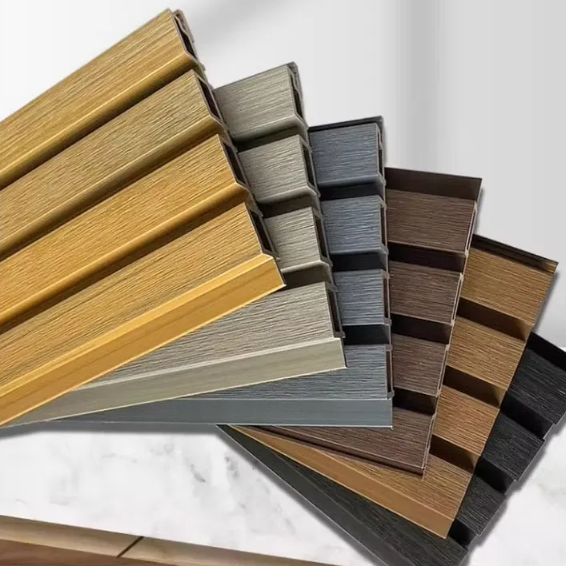
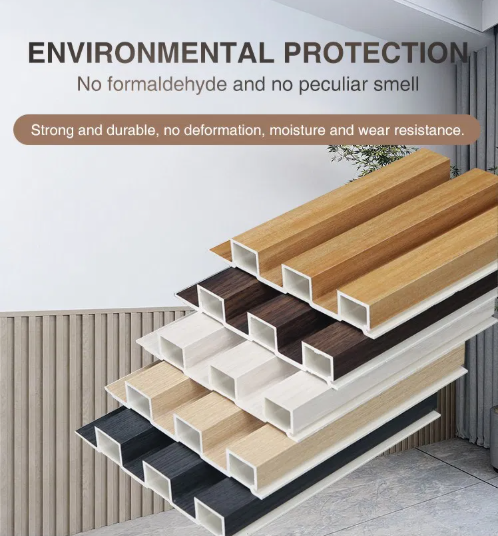
The truth: In WPC wall panels, wood powder accounts for 60% to 80% of the composition, while plastic accounts for only 20% to 30%. Moreover, most manufacturers use HDPE or PVC, a considerable portion of which comes from recycled materials. The production process does not use glue; the panels are thermoformed, so they contain no formaldehyde. Over the full life cycle, WPC panels are more environmentally friendly than solid wood wainscoting because solid wood requires logging natural forests, while WPC uses wood processing waste and recycled plastic.
Of course, low-quality WPC panels may indeed use waste plastic or harmful additives, but that is a quality issue, not a problem with the material itself. Reputable manufacturers' WPC products can pass strict environmental tests.
Misconception 2: WPC wall panels never fade and can keep their color forever
Some sellers promise never fade to sell products. This is impossible.
The truth: Any outdoor material will fade under long-term sunlight exposure, only at different rates. UV-resistant WPC panels significantly slow down fading by adding UV absorbers and weather-resistant additives. Generally, good quality products show no obvious color change for 5 to 10 years, and the change is acceptable for 10 to 15 years. Darker colors are more UV-resistant than lighter ones; grays and browns are more stable than reds.
If you need to use them outdoors, choose models clearly labeled as UV-resistant and accept a certain degree of natural aging. If someone tells you never fade, you can question them directly.
Misconception 3: WPC wall panels are completely scratch-proof and can be scratched at will
The surface wear resistance of WPC panels is indeed better than solid wood and PVC, but they are not diamond.
The truth: WPC panels have a wear layer on the surface. Daily wiping, dust, and light friction leave no marks. However, if you scratch forcefully with a sharp metal object such as a key or a knife tip, scratches will appear. Light scratches can be repaired with fine sandpaper; deep scratches are difficult to remove completely.
So, normal use is perfectly fine, but do not intentionally test their limits with sharp objects. Also, be a little careful when moving furniture to avoid hard objects directly impacting the panels.
Misconception 4: WPC wall panels are suitable for all outdoor environments, including the seaside
WPC panels perform much better than solid wood and PVC in coastal areas, but that does not mean they have no issues at all.
The truth: Coastal environments have triple challenges: high salt spray, strong UV, and high humidity. High-quality UV-resistant WPC panels can be used normally, with a lifespan of 10 to 15 years – far better than solid wood's 3 to 5 years. However, if the sea breeze is very strong and the salt spray is very dense, such as on the exterior wall of a villa directly facing the waves, any material will age faster. WPC panels may show slight surface chalking or color lightening, but this is normal aging and does not affect structural strength.
If you live by the sea, choose models specifically tested for salt spray resistance, and rinse the surface regularly to reduce salt buildup.
Misconception 5: WPC wall panels are too expensive, better to buy solid wood
This misconception needs to be examined in two layers. Looking only at the unit price, WPC panels are indeed more expensive than PVC and also more expensive than low-end pine solid wood. But when long-term maintenance costs are included, the result is completely different.
The truth: Over a ten-year period, the total cost of WPC panels (material + installation + maintenance) is far lower than that of solid wood wainscoting. Solid wood requires regular sanding, painting, and caulking. Over ten years, maintenance costs may exceed the material cost itself. After installation, WPC panels require almost zero maintenance. If you are someone who dislikes hassle, WPC actually offers better value.
Also, do not compare high-end WPC with the cheapest solid wood. For the same level of appearance and durability, WPC is typically 30% to 50% cheaper than solid wood.
A small additional misconception
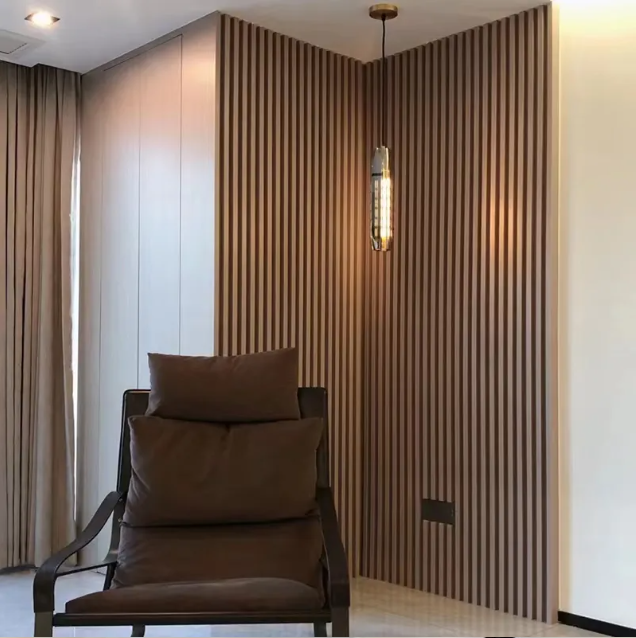
Some people think WPC panels can only mimic wood grain and have limited color choices. In fact, current WPC panels include imitation marble, concrete texture, fabric texture, slatted acoustic panels, and many other styles. Colors range from light oak to dark walnut, from silver gray to charcoal black – a very rich selection. If you have only seen one or two styles, we suggest looking at more suppliers.
Summary
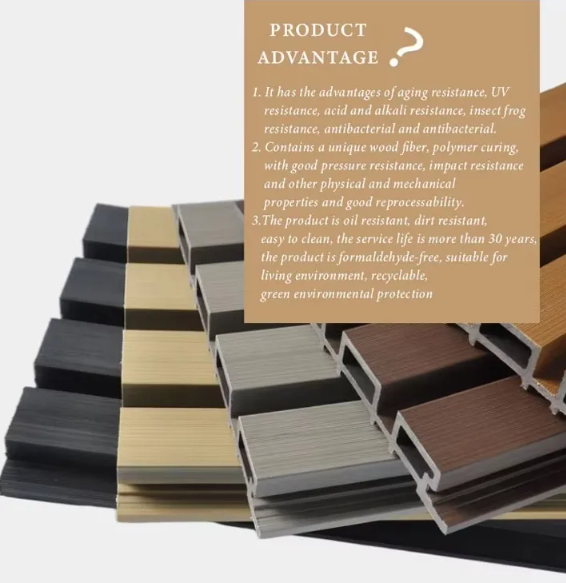
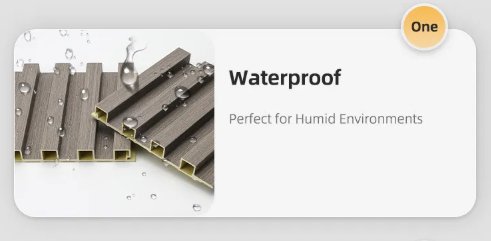
WPC wall panels are a good material, but they are not a miracle. They have real advantages such as no formaldehyde, waterproofing, insect resistance, no maintenance, and realistic texture. But there are also scenarios where they are not suitable and performance limits. Recognize the misconceptions, choose rationally, and you will buy a product that truly fits your needs.
If you have other questions about WPC wall panels, feel free to contact us. We offer free samples and test reports so you can see for yourself.
For samples, quotes or technical consultation, please contact:
Official Website: http://www.ltpvcfactory.com
WhatsApp: +86 17757302351
Email: [email protected]
Sample Policy: Free samples and brochures are provided, with freight collect.