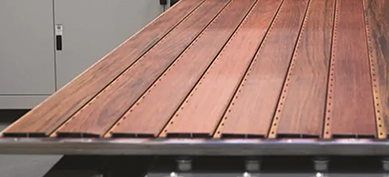


 English
 Español
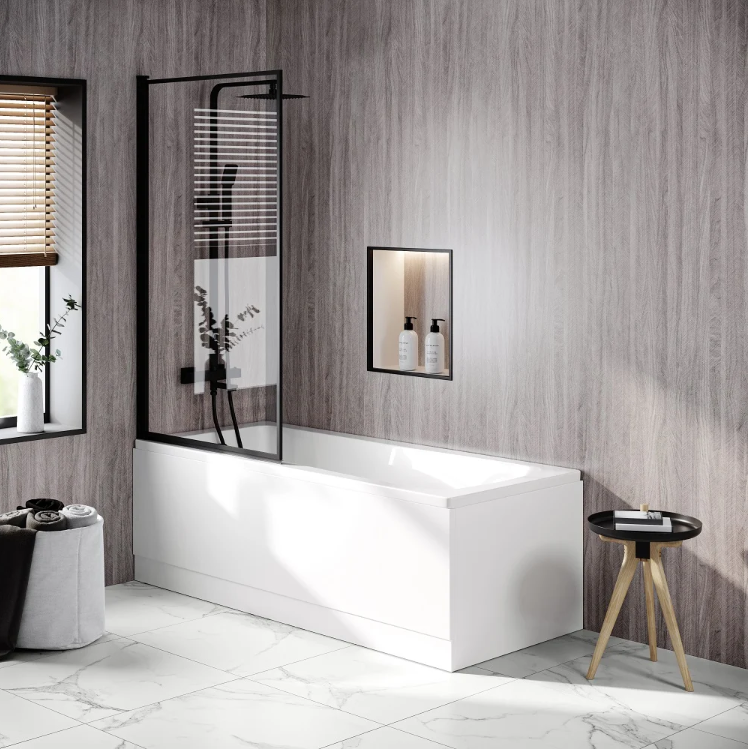
Bathrooms and basements are the two dampest spaces in a home. Bathrooms have daily showers and washing, filling the air with moisture. Basements are cool year-round with poor ventilation. In such environments, the choice of wall material is especially important. Ceramic tiles are the most common option, but grout lines easily turn black and moldy, and tiles feel cold in winter. Solid wood and ordinary panels are completely unsuitable, rotting and deforming within two to three years.
WPC wall panels perform exceptionally well in these two spaces. They are 100% waterproof, do not absorb moisture, do not mold, do not attract insects, and are quick to install and easy to maintain. This article focuses on bathrooms and basements, explaining how to choose, install, and use them.
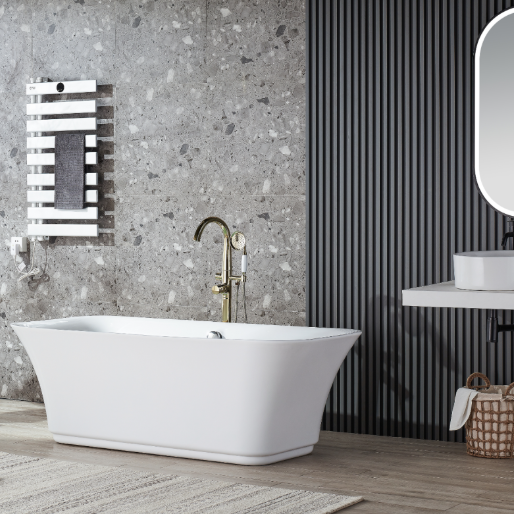
1. Why Bathrooms and Basements Are Suitable for WPC Wall Panels
Several characteristics of WPC panels directly address the needs of bathrooms and basements:
Completely non-absorbent: Water molecules cannot penetrate the material. Splashing water directly on the wall leaves no stains or swelling.
Does not support mold growth: WPC lacks the nutrients that mold needs. Even if dust accumulates on the surface, mold stays only on the surface and can be wiped off with a damp cloth without penetrating the material.
Insect and termite resistant: Termites and wood-boring insects have no interest in WPC.
Warm to the touch: Unlike cold ceramic tiles, when you step out of a shower and accidentally touch the wall with bare feet or back, it does not feel cold.
Fast installation: No need to wait for cement to dry like with tiles. A bathroom can be finished in half a day, reducing downtime.
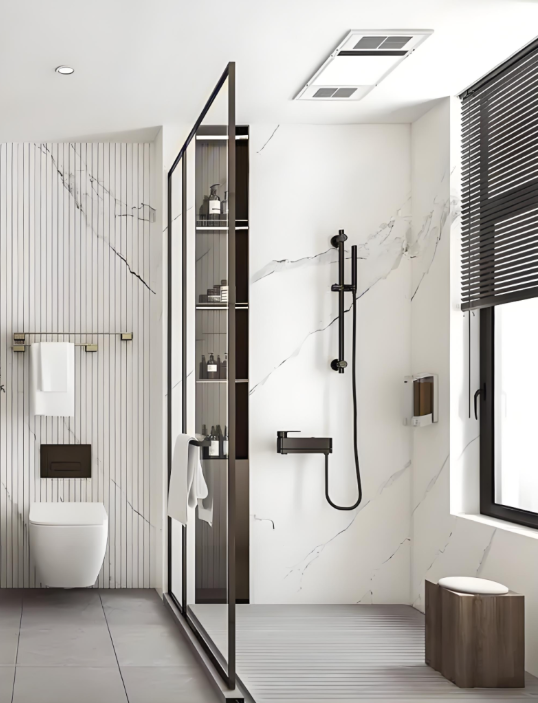
2. Considerations for Using WPC Panels in Bathrooms
Although WPC panels are very suitable for bathrooms, several details need special attention.
Waterproofing layer on the wall: Before installing WPC panels, the bathroom wall still needs a proper waterproofing layer (applied waterproof coating or membrane). WPC panels themselves are waterproof, but moisture can seep through panel joints to the back of the panels. Without a waterproofing layer on the wall, long-term accumulation can create a damp environment between the wall and panels. Although the panels will not rot, the wall may be affected.
Joint sealing: The gaps between WPC panels are very small, but moisture can still enter through them. For more thorough waterproofing, apply neutral anti-mold sealant in the joints. For walls in the shower area directly facing the shower head, sealant treatment is recommended. Other walls may not need it.
Inside and outside corners: Use matching inside corner and outside corner trim pieces. Do not simply butt joint panels at corners, as this can create gaps for water leakage. Also seal the edge of the outside corner trim with sealant.
Junction between floor and wall: Leave a 2-3 mm gap between the bottom of the WPC panels and the floor material (tile or stone), and fill it with anti-mold sealant. This prevents water on the floor from wicking up behind the panels.
Shower area height: It is recommended to cover the entire shower area with WPC panels from floor to ceiling. Do not use WPC only on the lower half and paint on the upper half, as the junction becomes a hidden risk for water leakage.
Ventilation: Even after installing WPC panels, bathrooms still need good ventilation or an exhaust fan. Although the panels do not mold, lack of ventilation can cause other items such as towels and shower curtains to mold.
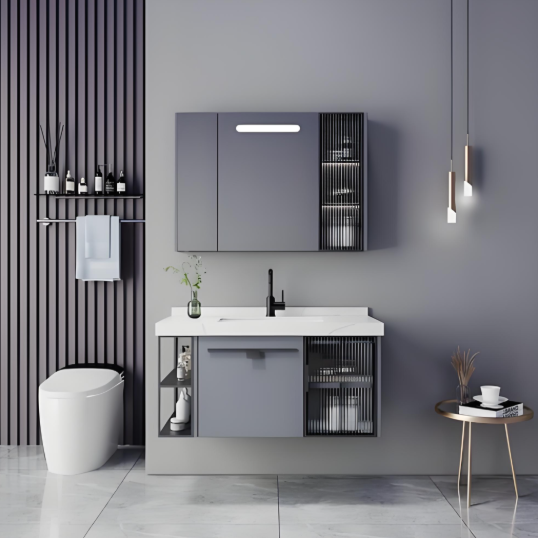
3. Considerations for Using WPC Panels in Basements
Basement problems include not just water but also dampness and condensation caused by temperature differences.
Moisture barrier: Basement walls often have moisture seeping from the foundation. Before installing WPC panels, it is recommended to apply a moisture barrier treatment on walls and floors, such as waterproof coating or a vapor barrier membrane. When using furring strips, place a moisture-proof pad between the furring strips and the floor.
Furring strip selection: Basements are damp, and wooden furring strips rot easily. Use galvanized steel or aluminum furring strips. If wood must be used, it must be pressure-treated and not in direct contact with the floor.
Do not seal completely: Leave an air gap between the WPC panels and the original wall (naturally created by furring strip installation). This air gap allows circulation and reduces condensation risk. Do not fully seal the top of the wall panels; leave ventilation openings.
Adhesive installation not recommended: Basement walls are prone to moisture rising, and structural adhesives may fail in damp conditions, causing panels to fall off. Use furring strips with screws for all installations.
Check for existing water leaks: If the original basement wall has obvious water seepage or cracks, those must be repaired before installing WPC panels. Otherwise, water will seep from behind. Although the panels will not rot, odors may develop.
4. Brief Installation Steps
Taking a bathroom as an example, the standard installation process:
- Step 1: Apply waterproofing layer on the wall and allow to dry. Perform a water test.
- Step 2: Install vertical furring strips (galvanized steel or treated wood), spacing 40-50 cm. Fix the furring strips to the wall with expansion screws, using shims to level.
- Step 3: Starting from a corner, install the first WPC panel, fixing it to the furring strips with screws. Ensure vertical alignment.
- Step 4: Install subsequent panels one by one, aligning the tongue and groove, and gently tapping with a rubber mallet to tighten. Screw each panel edge to the furring strips.
- Step 5: Install outside corner trim, inside corner trim, and edge trim.
- Step 6: Apply neutral anti-mold sealant to all joints and screw heads (optional, but recommended for shower areas).
- Step 7: After installation, avoid heavy water use for 24 hours to allow the sealant to fully cure.
Basement installation is similar, but the waterproofing layer and sealant steps may be omitted depending on the actual condition.
5. Frequently Asked Questions
Q: Will WPC panels mold in a bathroom after long use?
A: The panels themselves do not mold. However, if not cleaned regularly, dust on the surface combined with moisture can lead to surface mold. Wipe with a damp cloth and diluted bleach. It will not penetrate the panel.
Q: Can they be used in the wet area of a shower where water directly hits the wall?
A: Yes. WPC panels are 100% waterproof. Direct spray is fine. Apply sealant at the joints to prevent minimal water seepage behind.
Q: Does water accumulate behind the panels?
A: If installed correctly, there is a ventilated gap between the panels and the original wall, so no long-term water accumulation. Even if a small amount of moisture gets in, it will dry slowly through air circulation.
Q: Will WPC panels in a basement have surface condensation?
A: If the basement humidity is very high and the panel surface temperature drops below the dew point, condensation may occur. This is the same principle as condensation on tiles. Wipe it off with a dry cloth. Improving ventilation or using a dehumidifier solves the root cause.
Q: Are WPC panels more expensive than tiles for bathrooms?
A: Material cost: WPC panels range from 80 to 150 RMB per square meter; ceramic tiles range from 50 to 200 RMB per square meter. They are similar or slightly lower. However, labor cost for WPC is much lower because installation is faster. Total cost is usually cheaper or comparable to tiles.
6. Real Case Examples
Case 1: A ground-floor bathroom in South China originally had ceramic tiles. The grout turned black within a year, causing great frustration. After changing to light gray wood-grain WPC panels, after three years the walls remain clean with no mold spots. The owner reports that cleaning is very convenient.
Case 2: A basement in a northern residence originally had latex paint on the walls. After two years, large areas peeled and molded. The owner installed WPC panels with furring strips. After two years, the walls are still in good condition, and the basement no longer has the previous musty smell.
Summary
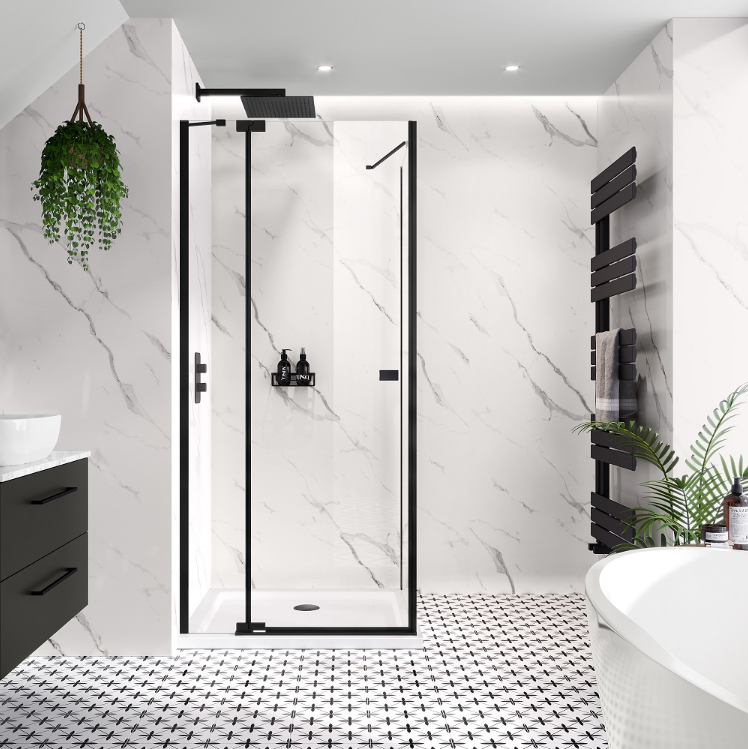
WPC wall panels are an ideal choice for bathroom and basement renovations. They are waterproof, mold-proof, insect-proof, warm to the touch, and quick to install, solving almost all the pain points of traditional materials in these damp spaces. As long as you pay attention to details such as the waterproofing base layer, joint sealing, and rust-proof furring strips, WPC panels will last 10 to 20 years without any problems.
If you are considering renovating a bathroom or basement, contact us to request samples and get installation advice tailored to your specific space.
For samples, quotes or technical consultation, please contact:
Official Website: http://www.ltpvcfactory.com
WhatsApp: +86 17757302351
Email: [email protected]
Sample Policy: Free samples and brochures are provided, with freight collect.