

 English
 Español
Classic indoor wall decoration options such as soft packs, wall coverings, and wood veneers are all inseparable from a common process link: gluing. The main source of formaldehyde is precisely the adhesives and additives used behind these decorative materials. Formaldehyde is classified as a Group 1 carcinogen by the International Agency for Research on Cancer (IARC), with a release cycle of 3 to 15 years. Long-term low-concentration exposure can increase the risk of respiratory diseases and cancer. PU stone — a new type of wall material that not only has the texture of hard decoration but also achieves zero formaldehyde emission.
1.The "Origin" of PU Stone: Polyurethane Cross-Border Stone Making, Molds Restore Natural Texture
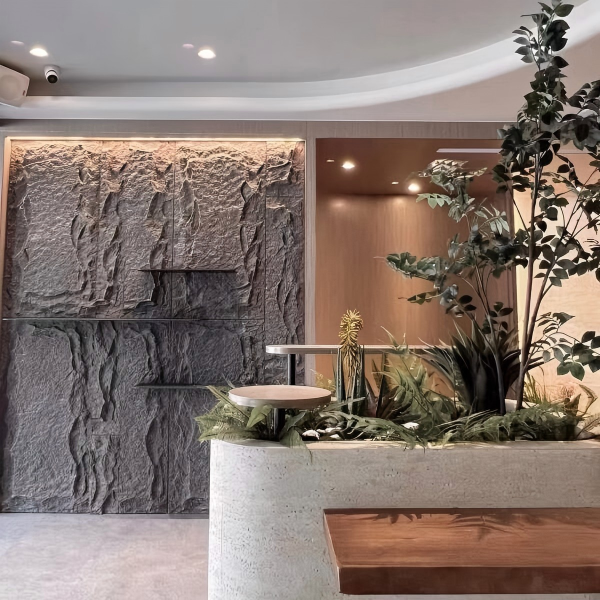
PU stone, full name Polyurethane Stone-Like Decorative Panel, is a new type of decorative material made of polyurethane as the base material, mixed with lightweight fillers (such as calcium carbonate and quartz sand) for foaming molding, and then coated with a stone-like texture coating on the surface. Its structure consists of three layers: the base material layer, the texture layer, and the protective layer. The base material layer is mixed with polyurethane resin and lightweight fillers, which balances toughness and hardness, and its density is only one-third to one-half of that of natural stone. The texture layer reproduces the concave-convex texture of natural stone through high-precision silicone molds. For PU stones of the same appearance, 2 to 4 sets of molds are usually developed, and the mold shapes are all made by molding real stones to ensure the realism of the splicing effect. The protective layer is covered with water-based environmental protection paint to enhance wear resistance, stain resistance, and UV resistance.
From the perspective of the raw materials themselves, polyurethane is non-toxic, tasteless, and pollution-free. The essence of PU stone is to apply polyurethane, a mature material widely used in building materials, automobiles, aviation, and other fields, to restore the decorative effect of real stone through mold technology.
2.Zero Formaldehyde: Where Does the Confidence Come From?
The reason why traditional wall decorations cause concerns about formaldehyde lies in two potential sources of release: first, the materials themselves use formaldehyde-containing resins or additives in the manufacturing process — although the polyurethane sponge of soft packs does not contain formaldehyde itself, its fabric covering may use formaldehyde-containing additives in the textile process; wall coverings and wood veneers rely on adhesives to be installed on the wall, and adhesives are one of the core contributors to indoor formaldehyde and TVOC. Second, the material superposition effect further amplifies the pollution concentration in confined spaces.
The environmental protection logic of PU stone is fundamentally different. First of all, the polyurethane base material itself does not contain formaldehyde, and no formaldehyde-based substances need to be added during the synthesis process. Industry data shows that polyurethane products are pollution-free, non-toxic, and tasteless. The formaldehyde emission of high-quality PU stone products can be as low as less than 0.02mg/m³, which is far better than the national standard E0 level. Secondly, PU stone installation adopts dot bonding with structural adhesive or nail-free adhesive, or uses an inner card structure for dry fixation with screws and staples, without large-area brushing of liquid adhesives, which fundamentally reduces the introduction of formaldehyde during the construction process.
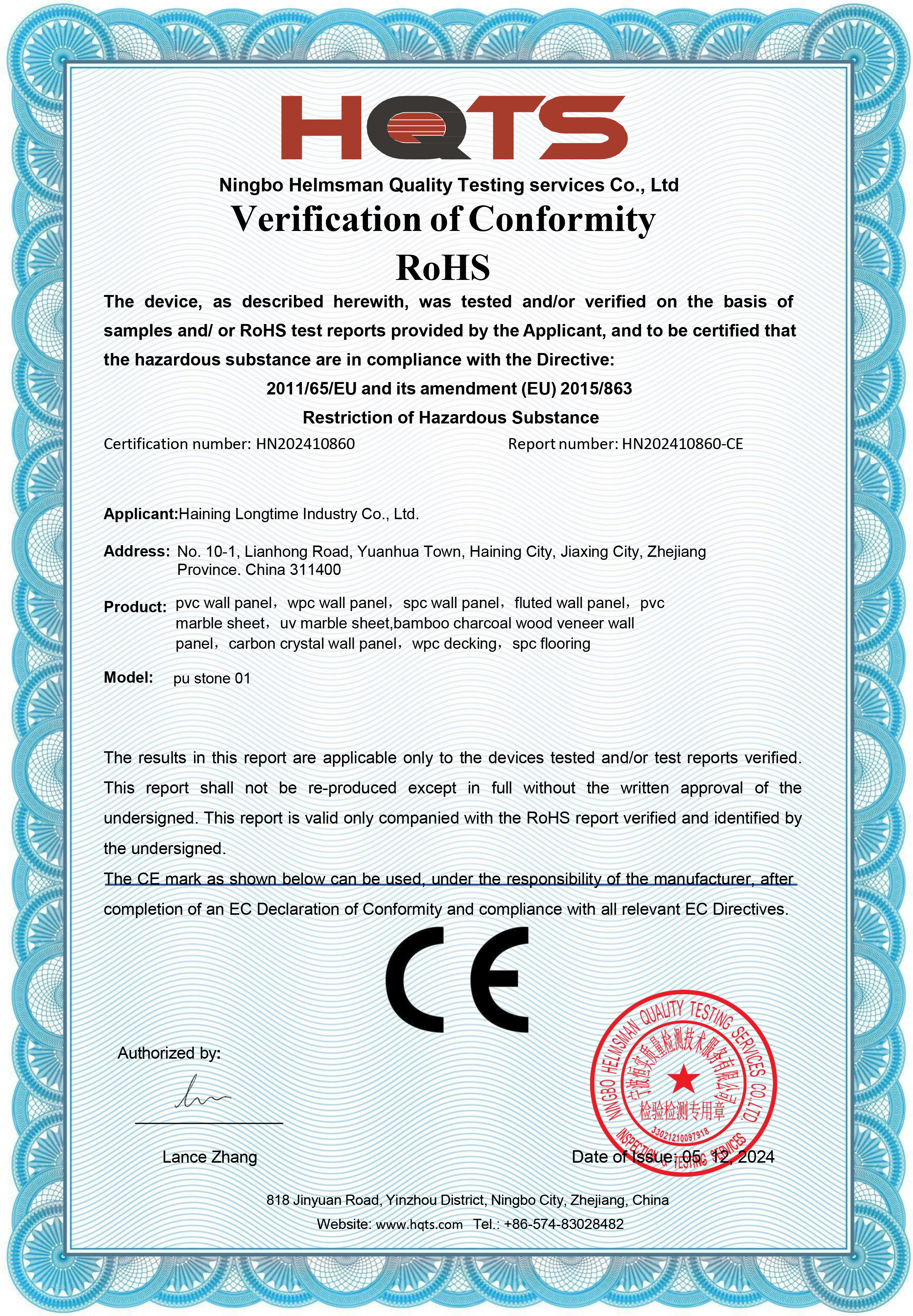
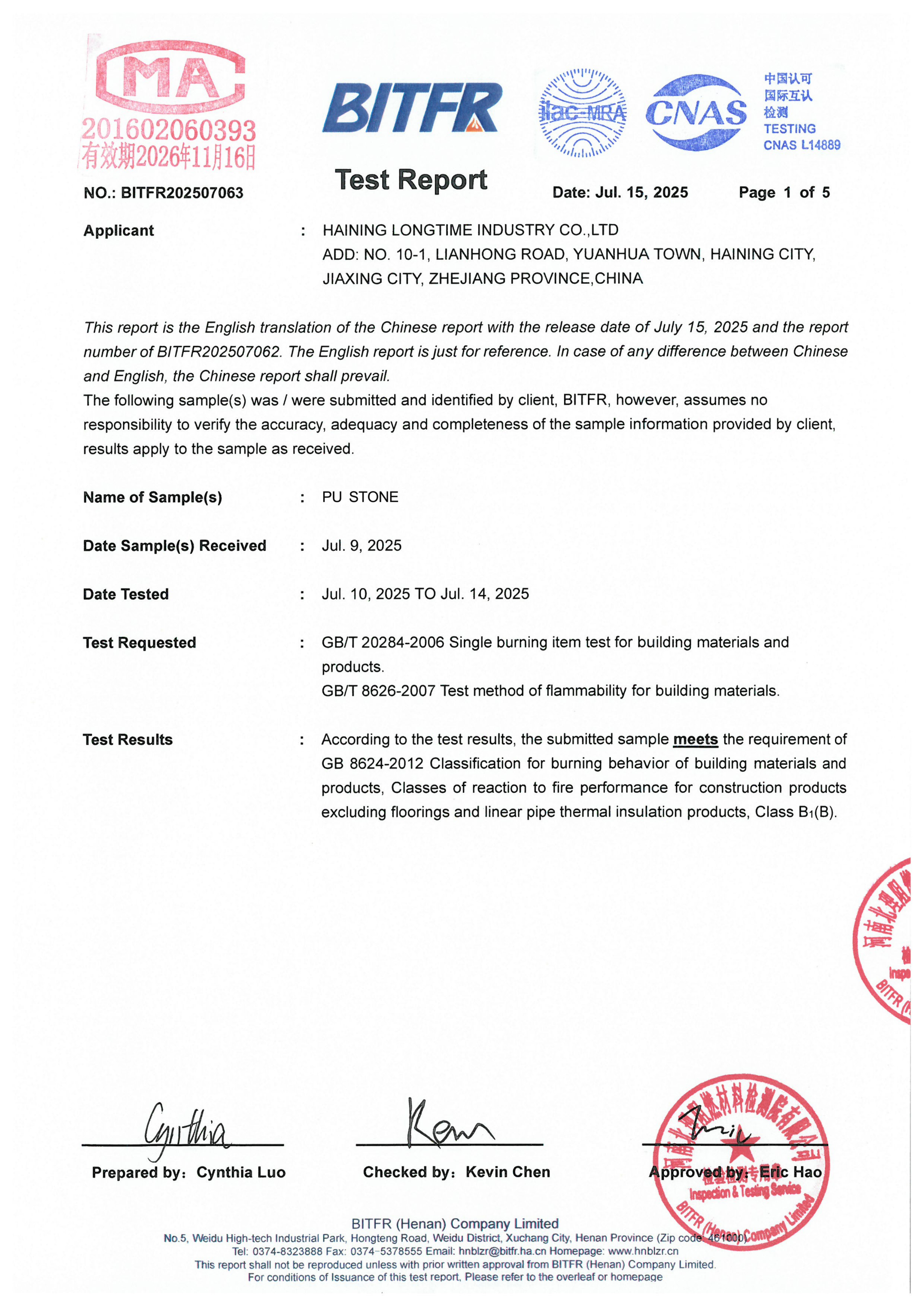
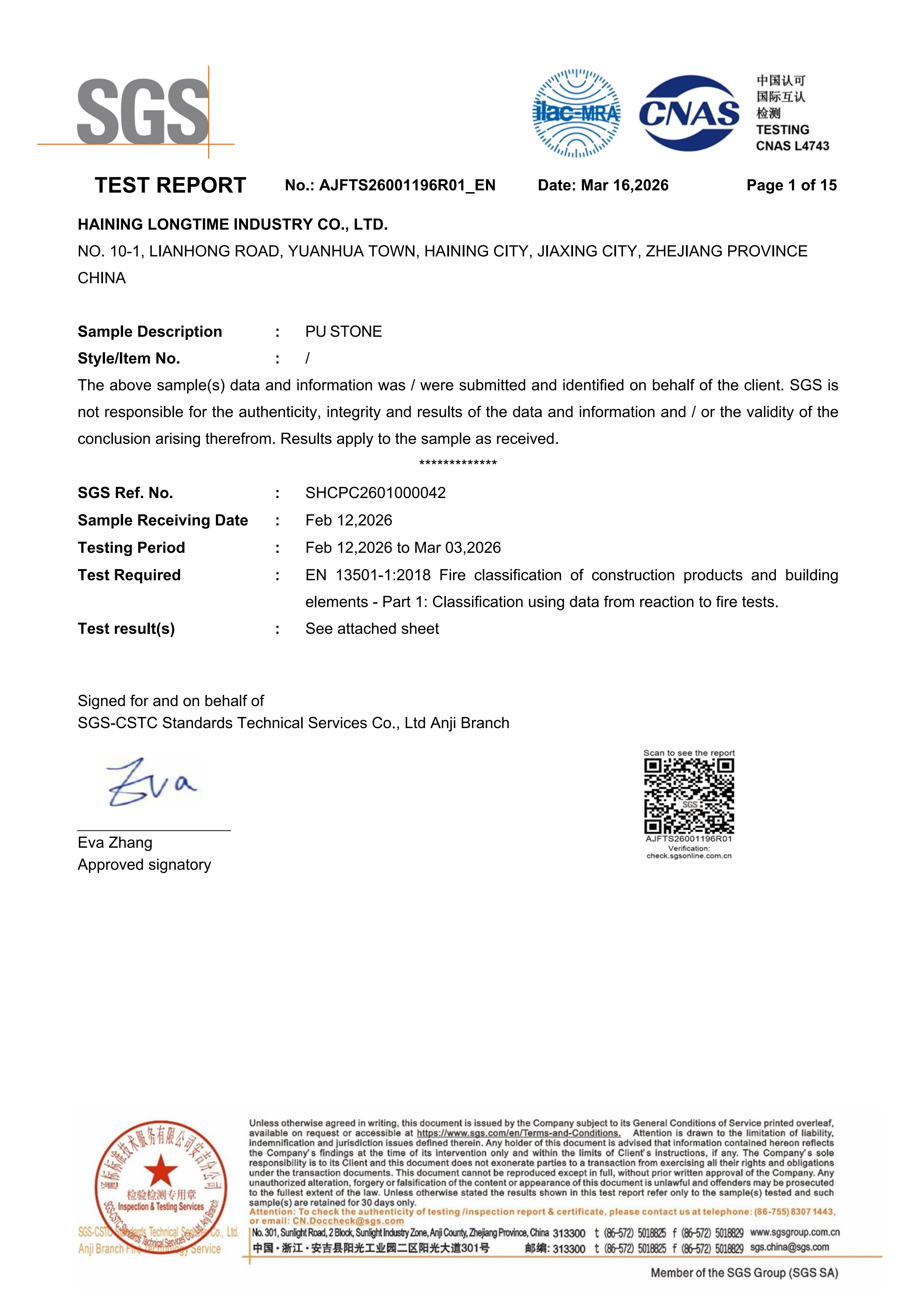
Products from some manufacturers have passed SGS formaldehyde and heavy metal tests, confirming that they do not contain formaldehyde and heavy metal components. There are already PU stone skin products on the market that have passed national authoritative quality inspections and issued environmental formaldehyde testing reports, covering multiple tests such as waterproof, thermal insulation, sound insulation, and impact resistance.
3.Why Can It Outperform Soft Packs, Wall Coverings, and Wood Veneers?
|
Comparison Dimension |
Soft Pack |
Wall Covering |
Wood Veneer |
PU Stone |
|
Formaldehyde Risk |
Large-area gluing, high release risk |
Base film + gluing on the wall, adhesives are the main cause |
Board + gluing, high superposition risk |
Zero-formaldehyde base material, dot bonding |
|
Environmental Certification |
Uneven quality, need to check each model |
Textile additives may contain formaldehyde |
Greatly affected by board grade |
SGS formaldehyde test certification |
|
Installation Method |
Full-surface gluing fixation |
Full-wall gluing pasting |
Base layer priming + gluing |
Dot structural adhesive / dry fixation |
|
Moisture Resistance |
Poor, prone to moisture and mold |
Average, prone to edge warping in humid environment |
Poor, prone to deformation when exposed to moisture |
Excellent, water-resistant and moisture-proof |
|
Scrub Resistance |
Non-scrubbable |
Partially scrubbable, with limitations |
Wipeable with a damp cloth |
Wipeable with a damp cloth |
|
Service Life |
5-8 years |
5-8 years |
5-10 years |
More than 10 years |
|
Space Texture |
Soft and warm |
Rich colors |
Wooden warmth |
Hard decoration stone texture |
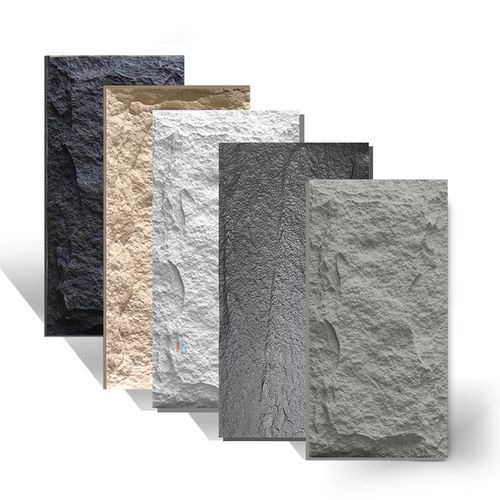
4.Why Is PU Stone Particularly Suitable for Children's Spaces?
Children's spaces (children's rooms, kindergartens, school classrooms) are the most sensitive places for indoor air pollution control. The reason is straightforward: children are in the growth and development period, their breathing rate is about twice that of adults, the volume of air inhaled per unit weight is larger, and their tolerance threshold for harmful substances such as formaldehyde is much lower than that of adults. GB 50325-2020 classifies residential buildings, kindergartens, school classrooms, etc., as Class I civil building projects, with a formaldehyde emission limit of ≤0.07mg/m³, which is stricter than Class II buildings (office buildings, etc.). The standard further specifies that during the indoor decoration acceptance of kindergartens, school classrooms, student dormitories, and elderly care facilities, the sampling volume of radon, formaldehyde, ammonia, benzene, toluene, xylene, and TVOC in the indoor air shall not be less than 50% of the total number of rooms, and not less than 20 rooms; when the total number of rooms is not more than 20, all rooms must be tested.
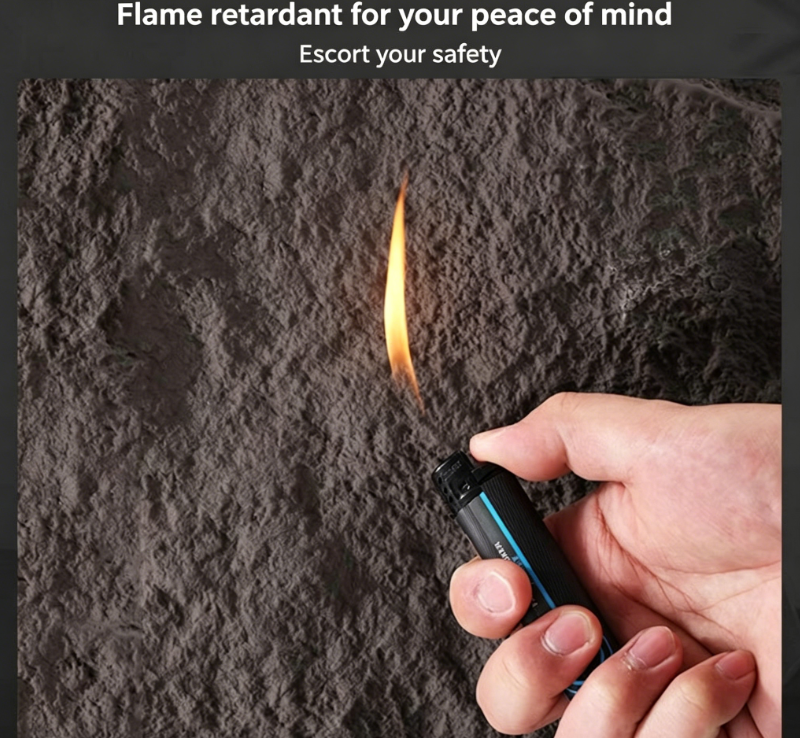
PU stone precisely meets these strict requirements. First, the zero-formaldehyde base material fundamentally eliminates the potential threat of long-term low-concentration formaldehyde exposure to children's respiratory tract and immune system. High-quality products have a formaldehyde emission of ≤0.02mg/m³, with sufficient safety margin. Second, PU stone has passed professional insect prevention, flame retardant, and wind resistance tests. Flame retardant additives are added to the products, which have Class B fire performance and can effectively prevent the spread of fire to a certain extent. Third, the hard and smooth wall surface is not easy to hide dirt and dirt, and daily wiping and cleaning are convenient, which is particularly practical for the use scenario where children frequently touch the wall. Fourth, the lightweight characteristics of PU stone (the weight of a single piece is only 3 to 5kg) means that even if objects collide with the wall in the children's room, it is not easy to cause secondary injury caused by plate falling off.
5.Summary
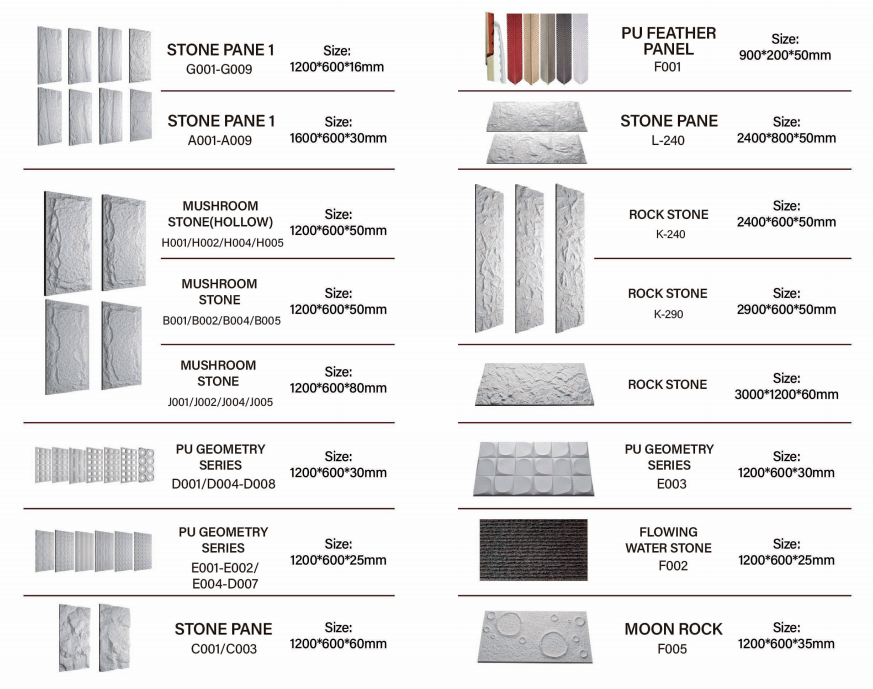
Haining Longtime Industry Co., Ltd. is a noteworthy source enterprise in the field of this new type of wall material. With years of experience in R&D and production of PU decorative materials, the company focuses on the manufacturing and sales of polyurethane decorative components such as PU stone, PU lines, and PU ceiling medallions. Relying on mature mold development capabilities and high-standard production processes, the PU stone skin series products produced by Longtime have realistic textures, light weight and durability, and have passed third-party authoritative certifications such as SGS formaldehyde testing and heavy metal testing, truly achieving zero formaldehyde emission. The company has always adhered to full-link quality control from raw material formulation to finished product delivery, and is committed to providing truly safe and worry-free wall decoration solutions for indoor spaces, especially Class I civil building scenarios such as children's rooms, kindergartens, and schools. Choosing PU stone is not only choosing a material, but also choosing a solid commitment to the breathing health of your family.
For samples, quotes or technical consultation, please contact:
- Official Website: http://www.ltpvcfactory.com
- WhatsApp: +86 17757302351
- Email: [email protected]
- Sample Policy: Free samples and brochures are provided, with freight collect.