

 English
 Español
Nowadays, for decoration projects, especially hotels, office buildings, shopping malls and other projects, being merely aesthetically pleasing is no longer sufficient. More and more owners are required to provide green building material certificates, environmental certifications, and even meet international standards such as LEED and WELL. Natural stone, although elegant, comes at the cost of mountain blasting, quarrying and ecological damage. Is there a material that can replicate the texture of stone without mountain excavation, low energy consumption, and recyclability? PU stone is the answer. Below, we explain its environmental advantages from five aspects.
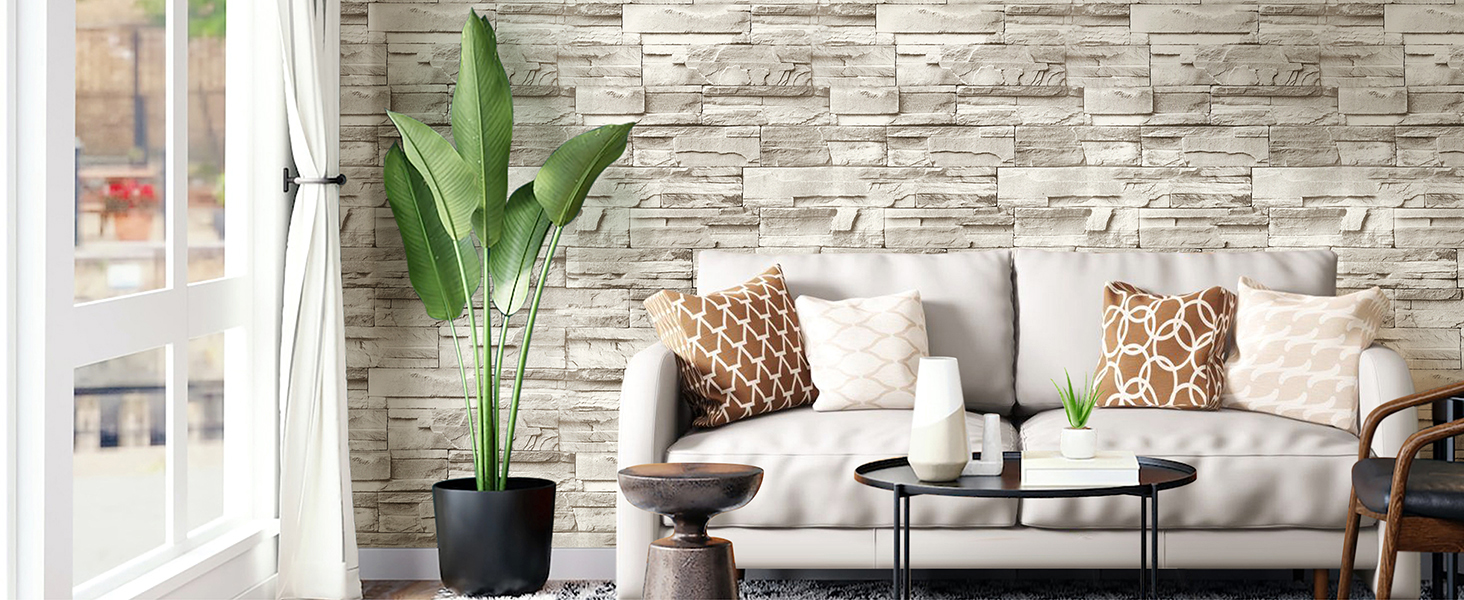
1.From Mine to Mold: Why PU Stone Is More Eco-Friendly
How is natural stone obtained? Through mountain blasting, quarrying, cutting and transportation. For every ton of stone mined, a large amount of waste rock, dust and noise are generated, and the surrounding vegetation and groundwater systems are damaged. Moreover, stone is non-renewable – once quarried, it is gone forever.
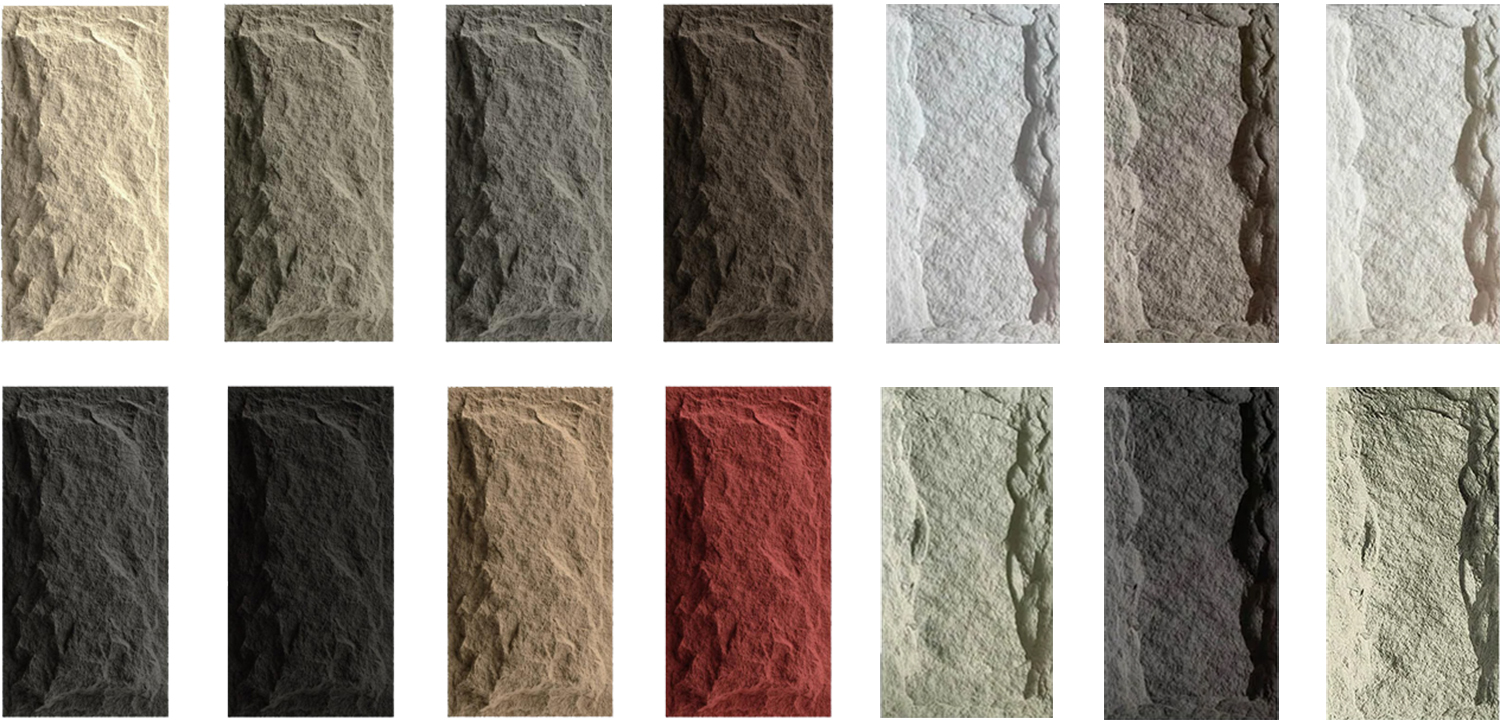
PU stone takes a different path – industrialized production. It uses high-density polyurethane as the base material and is directly cast and formed using precision molds. The texture, unevenness and peeling feeling of stone can all be reproduced through molds. No mountain blasting, no quarrying, and not an inch of land is damaged. A single mold can be reused thousands of times, featuring high production efficiency and high material utilization rate. The leftover materials can also be crushed and recycled into the next batch of products.
Simply put: natural stone is obtained by "digging", while PU stone is made by "manufacturing". One consumes nature, the other restores nature through technology.
2.Recyclable and Low Energy Consumption: Complying with the Trend of Green Buildings
In 2026, the national green standards for new buildings will only become stricter. According to the Ministry of Housing and Urban-Rural Development's "Green Building Evaluation Standard", the production energy consumption and recyclability of materials are both scoring items. PU stone has obvious advantages in this regard.
Low production energy consumption: The comprehensive energy consumption per square meter of natural stone from mining to processing into slabs is about 3-5 times that of PU stone. The foaming and forming process of PU stone requires low temperature and short time, no high-temperature sintering (like tiles fired at over 1000 degrees Celsius), and no large amount of water cutting and polishing. The carbon emission per square meter of PU stone produced is only about 1/3 of that of natural stone.
Recyclable and reusable: After the service life of PU stone, it can be recycled and crushed to be reused as fillers or raw materials for producing new slabs. However, once natural stone is removed, it is basically construction waste and difficult to reuse. Nowadays, many large-scale commercial projects have clearly required in the bidding documents that "material recyclability rate ≥ 80%", which PU stone can fully meet.
Energy saving in transportation brought by light weight: The weight of PU stone is only 1/20 of that of natural stone. The same truck can only carry dozens of square meters of natural stone, but hundreds of square meters of PU stone. The fuel consumption and carbon emissions during transportation are greatly reduced. Handling and installation on the project site are also labor-saving and mechanical-saving. From a full life cycle perspective, the carbon footprint per square meter of PU stone is much lower than that of real stone.
3.Dual Certification for Safety and Environmental Protection: Class B1 Fire Resistance + Zero Formaldehyde
Environmental protection is not only about protecting the earth, but also about protecting the health of users. Many stone-like materials (such as some artificial stone and composite panels) use formaldehyde-containing adhesives to reduce costs, resulting in pungent odors after decoration and long-term impact on health. Although natural stone itself is non-toxic, the glue used for installation may also exceed the formaldehyde standard.
PU stone completely avoids this problem from material to installation.
Zero formaldehyde: The main body of PU stone is polyurethane resin, and no formaldehyde-based adhesives are added during the production process. According to authoritative testing, the formaldehyde emission is ≤ 0.03mg/m³, meeting the national ENF level (the highest level in China currently), and also passing the GREENGUARD Gold Certification. This standard means it can be directly used in places with high air quality requirements such as kindergartens, hospitals and nursing homes.
Class B1 fire resistance: Fire protection was specifically discussed earlier, and here we add some environmental significance. Many environmentally friendly materials sacrifice fire resistance in pursuit of "naturalness" (such as cork and some bio-based materials). However, PU stone achieves both environmental protection and fire resistance – after modified flame-retardant treatment, it stably reaches Class B1 (difficult to burn), and some models reach Class A2 (non-combustible). For projects that need to meet both Green Three-Star and fire protection specifications, this is a very rare combination.
Non-toxic flue gas: More notably, PU stone will not release a large amount of toxic black smoke and highly toxic gases (such as hydrogen chloride and dioxins) when exposed to fire, unlike some plastics or foam materials. Its flue gas toxicity level meets the safety standard, striving for valuable time for personnel evacuation. This is a bonus item in both fire acceptance and environmental assessment.
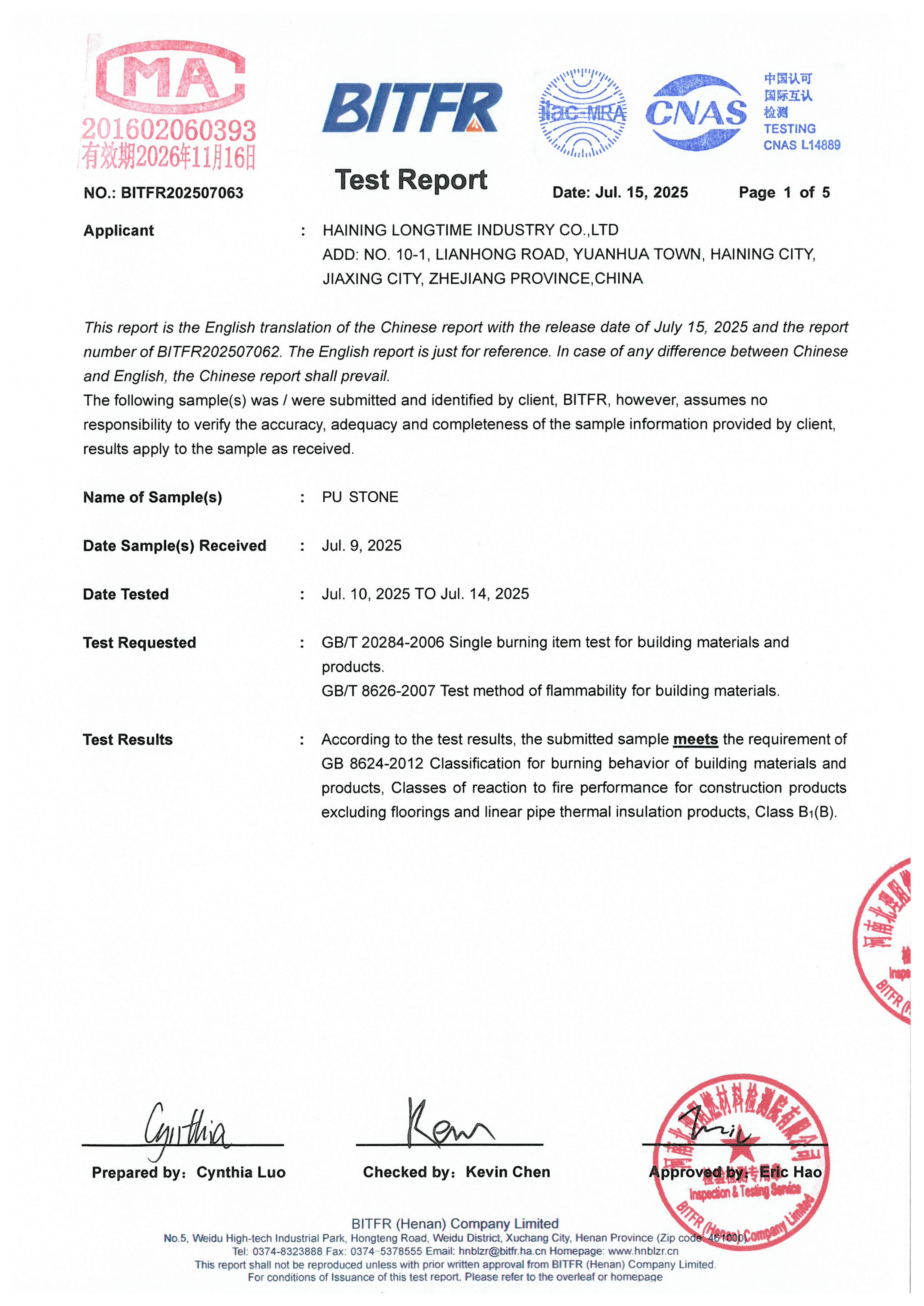
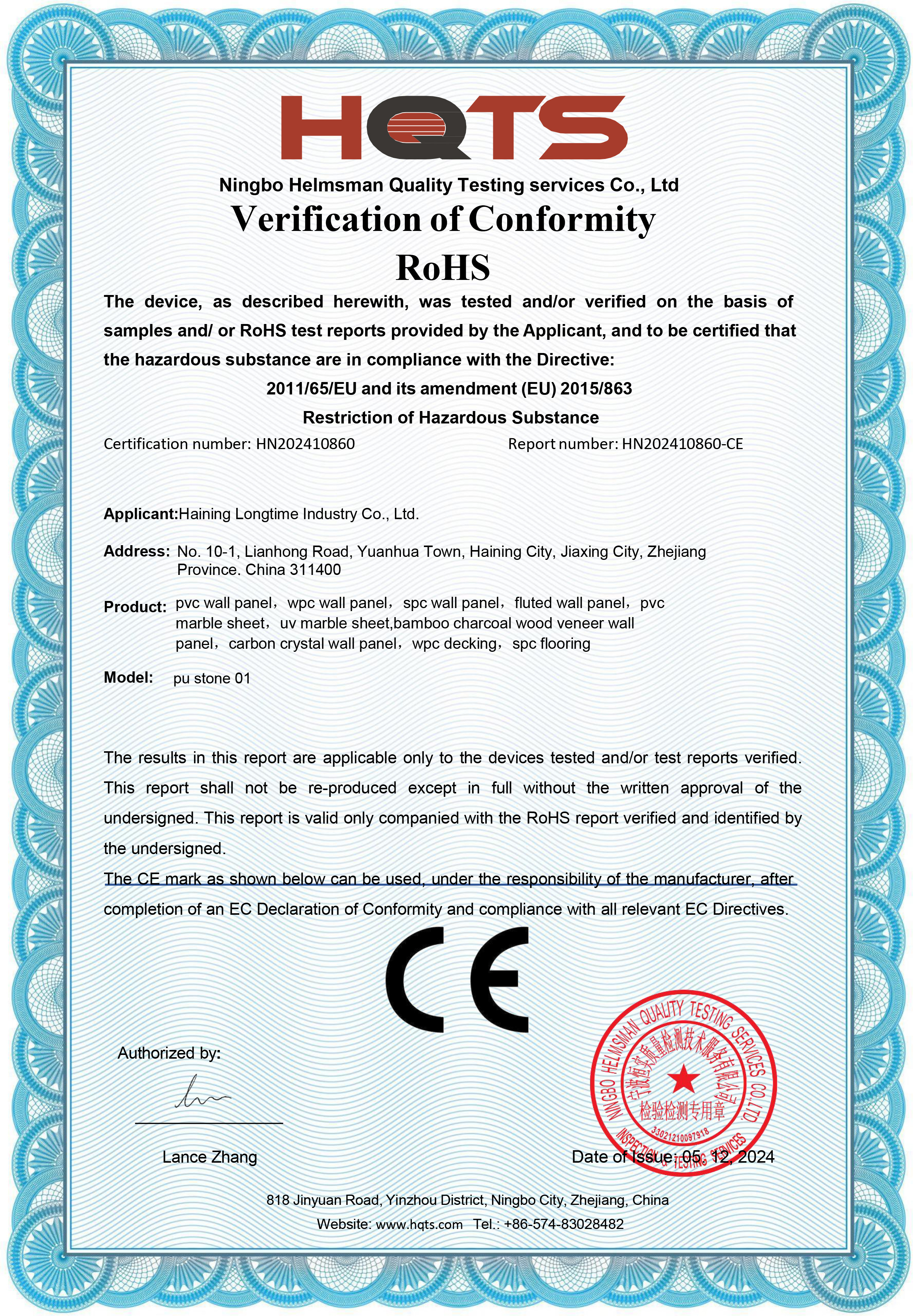
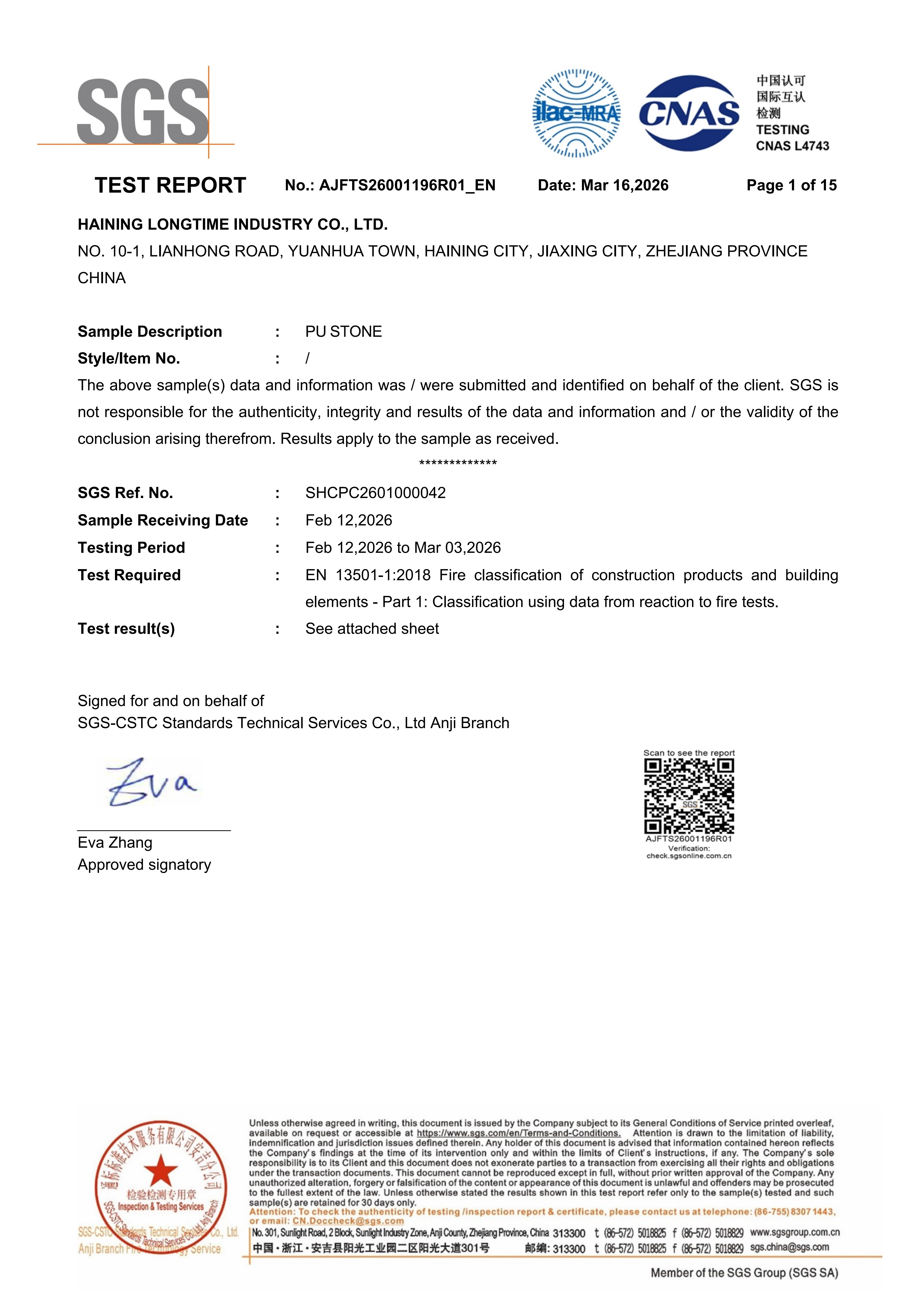
4.Real Case: A Green Hotel in Shanghai Won High LEED Scores with PU Stone
Project Background
At the end of 2025, a newly built mid-to-high-end hotel in the Hongqiao Business District of Shanghai planned to apply for LEED v4.1 Gold Certification. LEED is the world's most authoritative green building evaluation system, with very strict scoring for sections such as Materials and Resources and Indoor Environmental Quality. The walls of the hotel lobby, restaurant and meeting area were planned to be decorated with stone-like patterns, and the designer initially preferred natural marble.
However, the LEED consultant did the math: the natural marble came from a mine in Fujian, with a transportation distance of more than 800 kilometers, and no "low environmental impact" certificate could be provided for the ecological damage caused by the mining process. In the "Materials and Resources" scoring item of LEED, natural marble could only get a very low score, or even be deducted. The consultant suggested using industrially produced stone-like materials.
Selection Process
The hotel inspected various alternative solutions: tiles, artificial quartz stone, and PU stone. Tiles had a cold texture and many gaps; artificial quartz stone was still heavy and non-recyclable; PU stone stood out in the sample test – with realistic texture, light weight, recyclability, and complete production energy consumption data. The supplier provided complete environmental certification documents: ENF level formaldehyde report, GREENGUARD Gold Certificate, product carbon footprint assessment report, and recyclability statement.
Final Result
The hotel successfully obtained LEED v4.1 Gold Certification, and the score in the "Materials and Resources" section exceeded expectations. After opening, the hotel specifically mentioned in its promotion that "the walls adopt zero-formaldehyde, recyclable environmentally friendly stone-like materials", which won praise from many corporate customers, especially foreign-funded companies with their own ESG assessments.
This case shows that material selection not only affects cost and effect, but also directly relates to whether green certification can be obtained and whether customers with environmental requirements can be attracted.
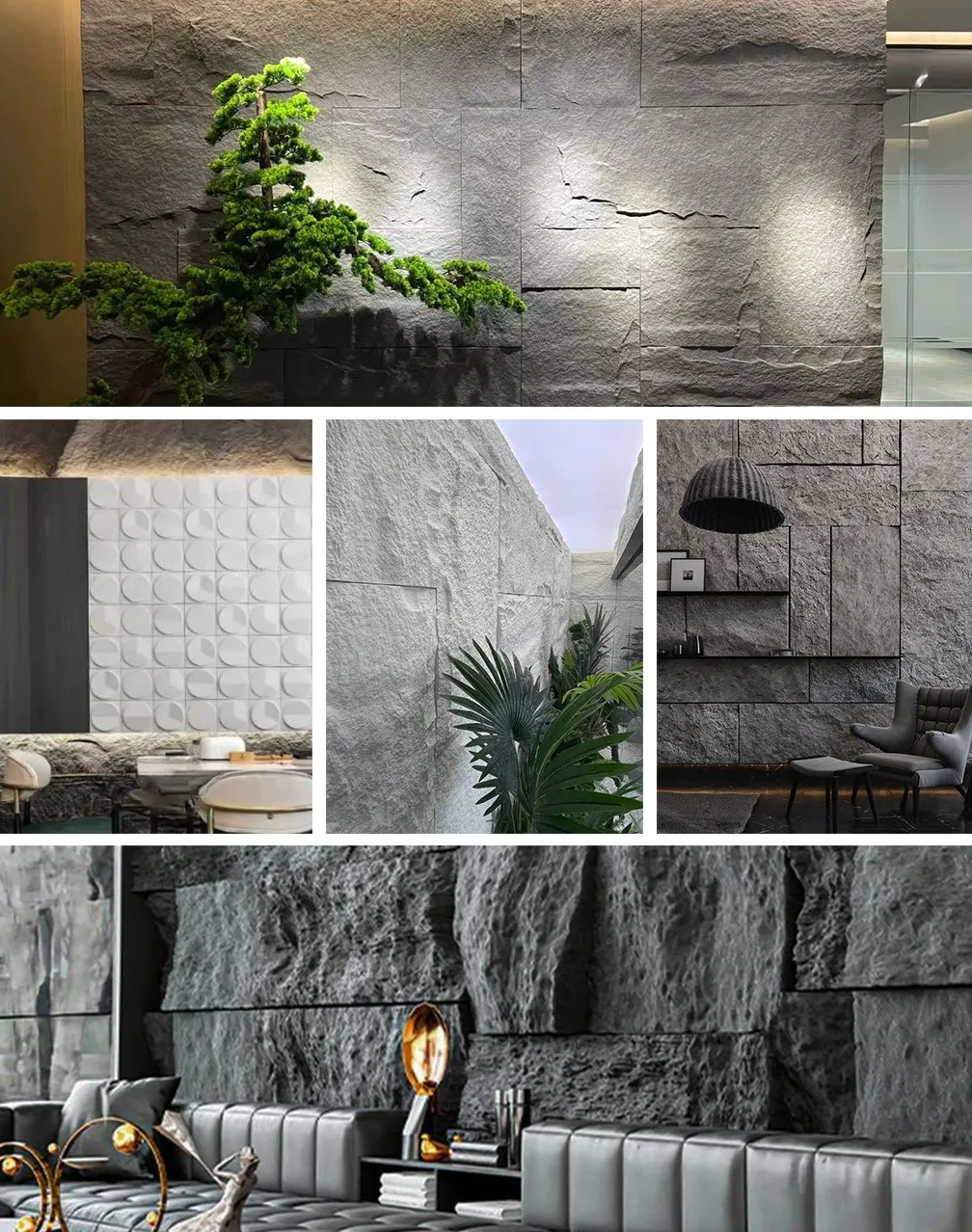
5.No Mountain Blasting, No Quarrying: PU Stone Delivers an Eco-Friendly Answer to Stone Aesthetics
The beauty of natural stone should not come at the cost of destroying nature. PU stone brings the texture of stone back to indoor spaces through industrialized, low-energy-consumption and recyclable methods, while leaving the mines to the green mountains.
For developers, hotel management and designers, choosing PU stone is not just choosing a material, but also sending a signal to owners, guests and regulatory authorities: we value sustainable development.
Haining Longtime Industry Co., Ltd. has been engaged in polyurethane composite materials for more than 20 years, with three production bases in China and products exported to more than 50 countries. It controls the entire chain from mold design to formula deployment to surface coating. All products are equipped with ENF level formaldehyde reports, Class B1 fire resistance reports, and GREENGUARD certifications. For large-scale projects, carbon footprint assessments can also be provided. Environmental protection is not an empty slogan, but a series of verifiable test reports.
For samples, quotes or technical consultation, please contact:
- Official Website: http://www.ltpvcfactory.com
- WhatsApp: +86 17757302351
- Email: [email protected]
- Sample Policy: Free samples and brochures are provided, with freight collect.